Ancient War Relics II: Gear
Dutch military findings


Buttons of the Dutch military - late 19th century, early 20th century. Above two (worn) buttons with the Dutch lion, besides it a button with the 'W' referring to king Wilhelm II/ III or queen Wilhelmina - civil servants could also wear these buttons.
To the right a Dutch Royal Navy button, identified as a Jan Paree Utrecht type from 1919 - 1949.


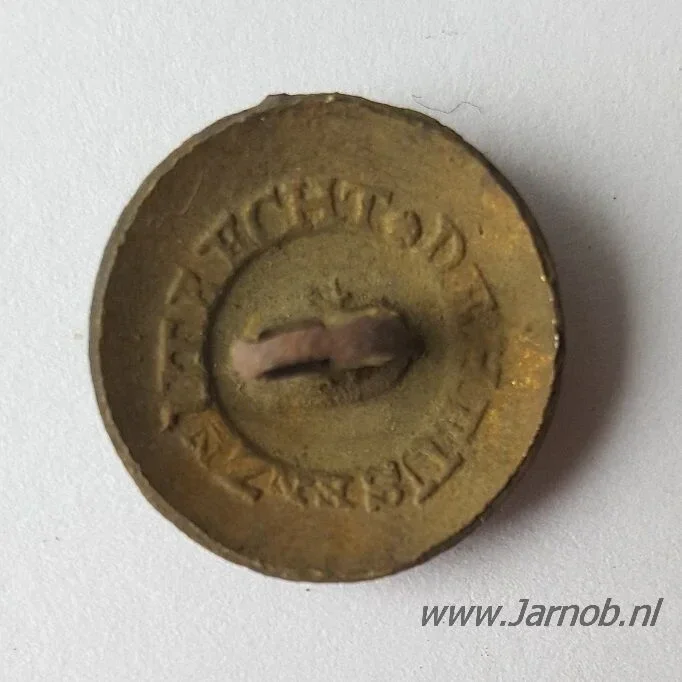


Above to the left a Dutch Artillery button , gilted, from De Heus en Zon - Utrecht, the front side is badly worn but the crossing artillery canons can still be made out - these date from 1832-1862. Above to the right a Dutch Royal Navy button dating around 1813-1827.


Early 19th century Dutch soldiers and an early 20thcentury Dutch uniform.


A Dutch uniform 'belt-hook' - known in Dutch as a Koppelhaak/ Riemhouder - used to hold the military belt at the backside of the jacket.

A cockade ('kokarde') of the Dutch early military hat Kepie (used 1865-1940) - although badly damaged still a nice piece of history!


A really nice find: the lion's head of a 19th century sjako which held the chin strap! the Dutch army used the M1865 (since 1865) which had a single lion's head on the rightside and two on the leftside. Several hooks existed - the Belgian army used the same lion's head hooks on their sjako's so theoretically it could be Belgian! Although damaged I was lucky finding this relic, the copper was already corroded to fairly thin plating.


To the right an Hembrug M95 rifle muzzle protective cover, as can be seen below to upper part, which is soldered on, is missing.
The Hembrug was based on the Mannlicher M1895 and replaced the Beaumont rifles. It was in use by the Dutch army 1895-1940.


Napoleonic Wars soldiers uniform buttons
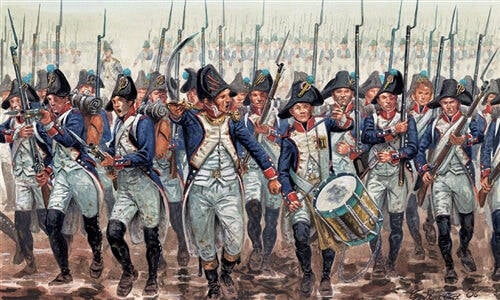

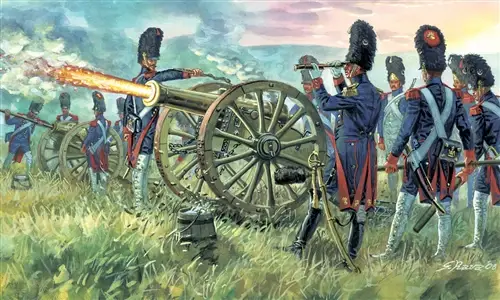
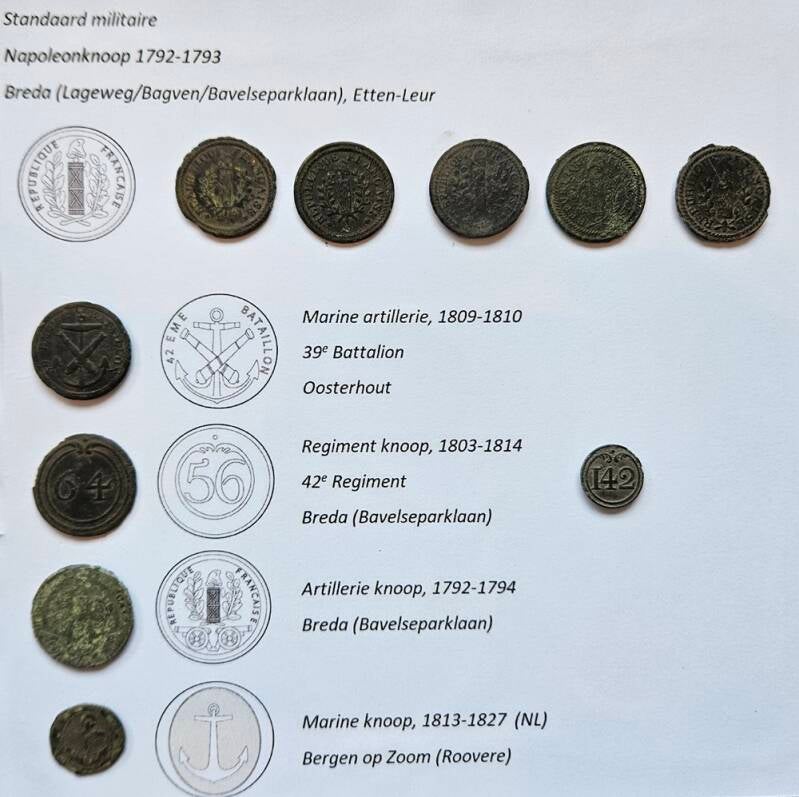
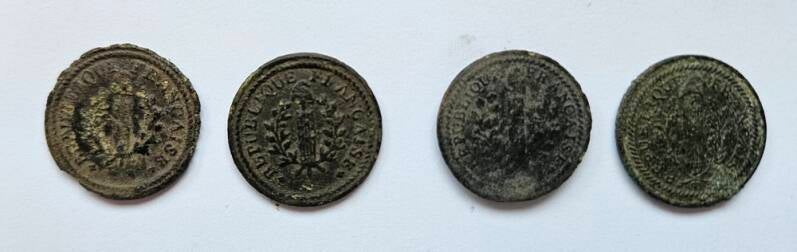
Military buttons are nice finds and due to their markings easy to identify. Holland, as well as other mainland European countries, was occupied during the early 19th century (1800-1815) by the French Republican/ Napoleonic armies. Traces of the French occupants and their battles can still be found.
General, more commonly, Republique Francaise buttons can be seen above - many models existed. Regimental buttons, like the 64 and I42 marked buttons can be found also. The smaller buttons were used on the front side of the soldiers uniform while the larger ones were used on the back side. Each soldiers uniform held dozens of buttons - obviously these were eays to loose! The 42nd Regiment is also marked with an 'I', which stands for Infantry.
The main artillery Republique Francaise button and the Naval Artillery 39th Regiment button are more rare.


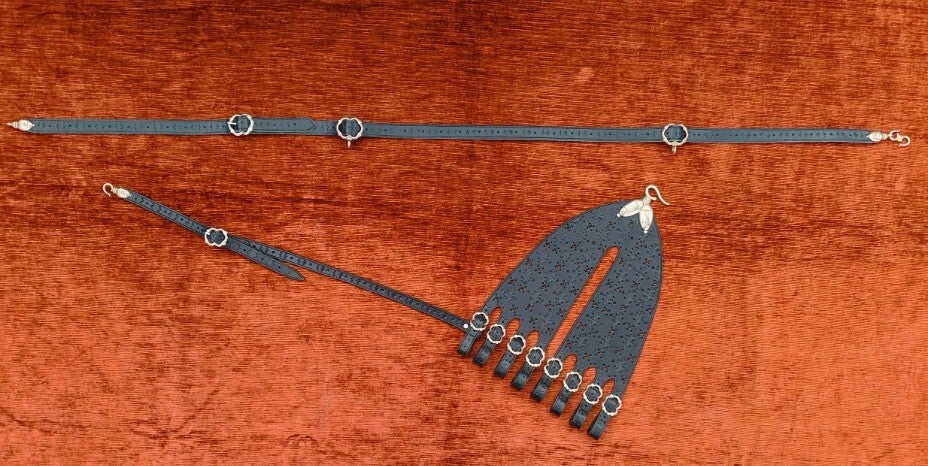
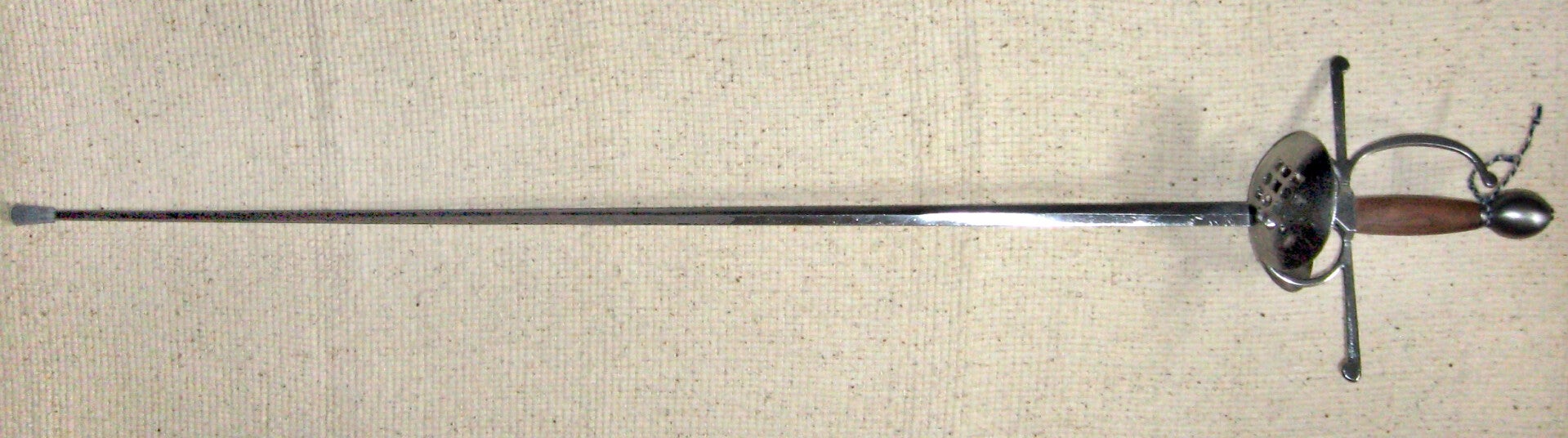
17th century belt hook for rapier carrier; the hook side was used on the long belt connecting an positioning the carrier on the main belt. The carrier itself was attached with an even larger belt hook clasp.