

Weights
Weights were used for trading goods of a certain weight for a rated value of coins. Therefore these weights were very important to trades men and were marked and controlled by trade gild members. Adjusting these weights unlawfully could result in fines or even (harsh) punishments.
Lead block weight dated 1738, Breda area. Marked by number '38', shield symbol at the top. Weight 55,5 grams.


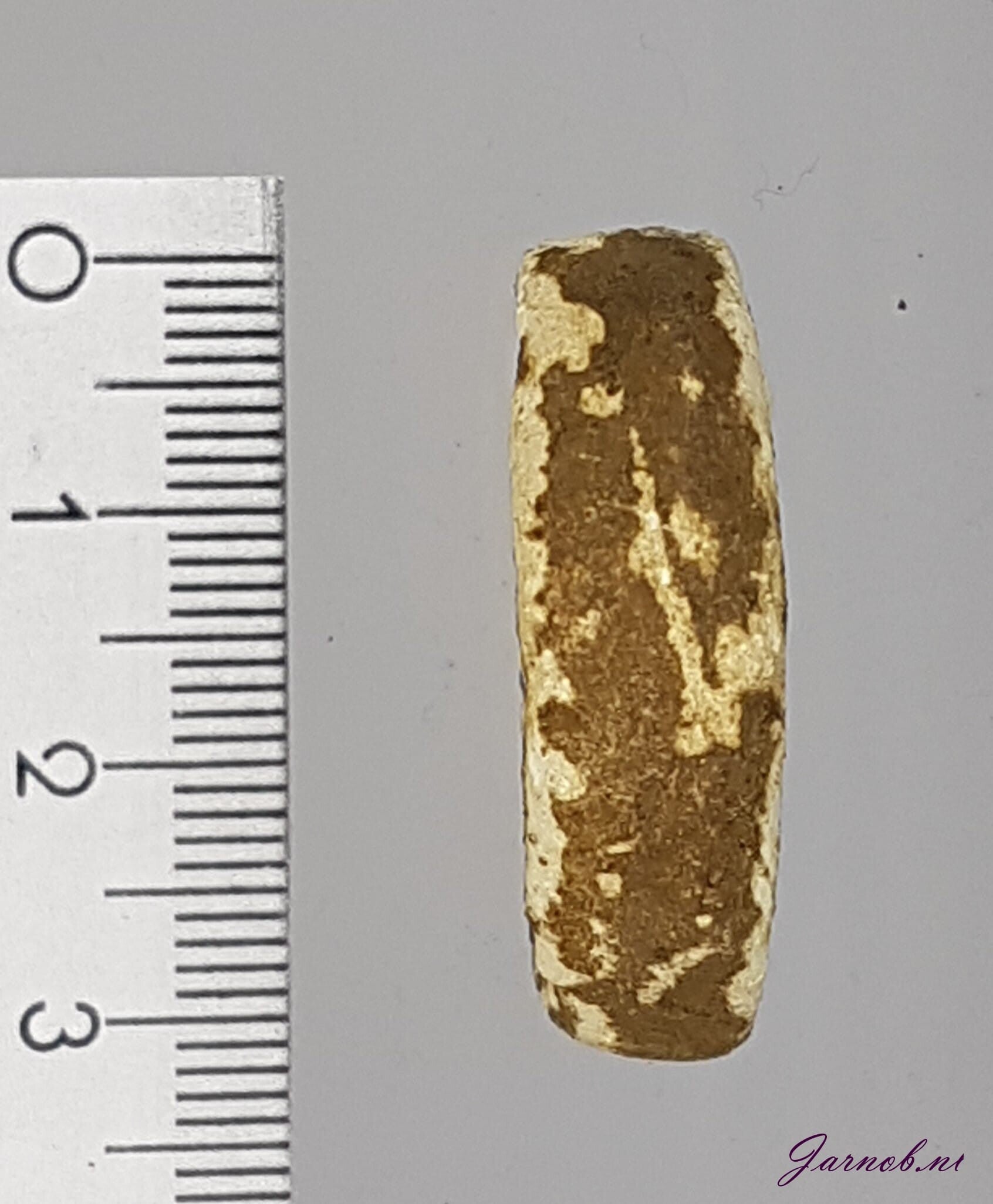
Lead weight dated 1500-1800, small symbol 'b' as marking. Disabled by hole in the middle. Breda area, weight 104,6 grams.


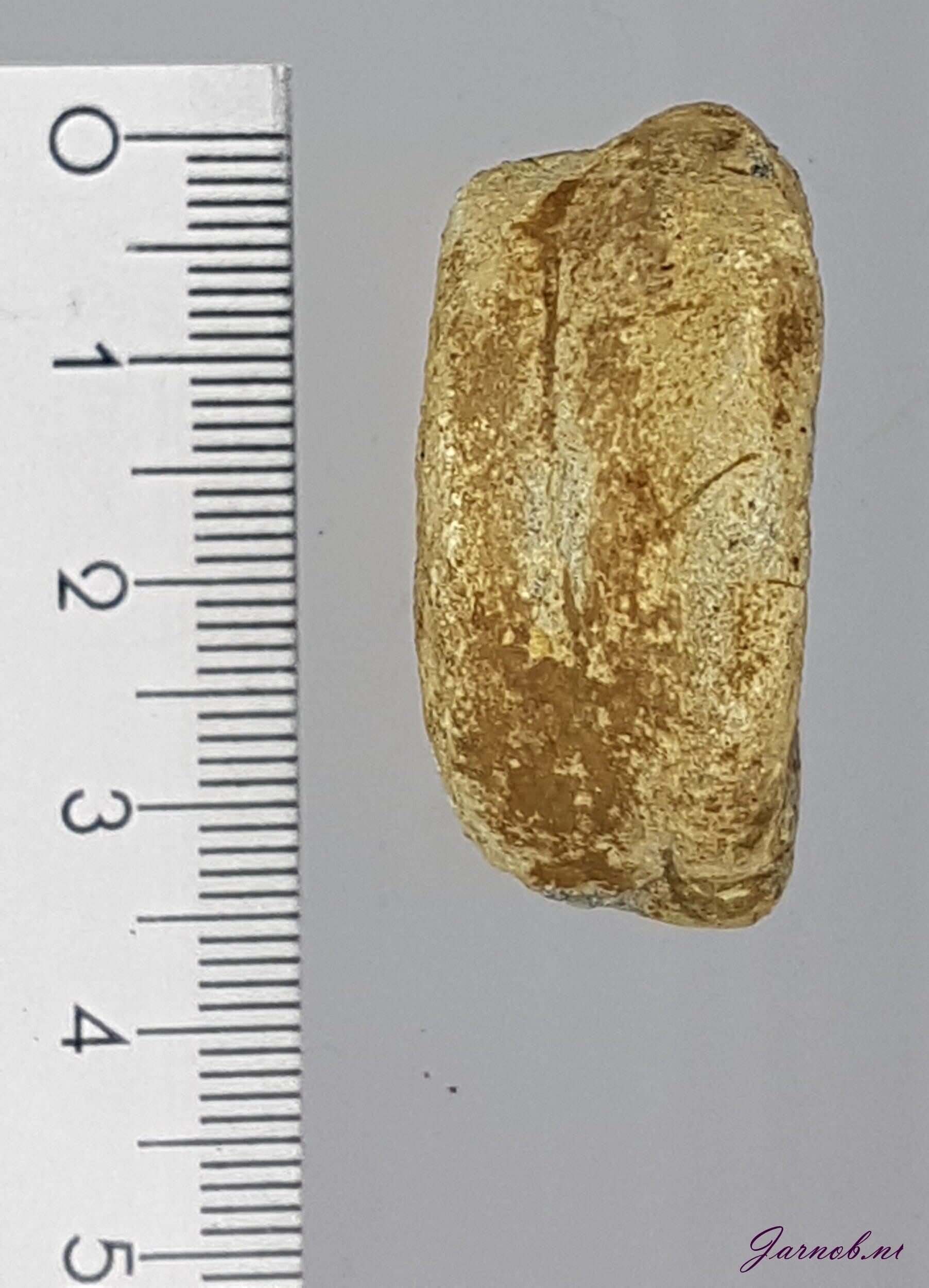
Another sample of heavy block weight large marking on one side.


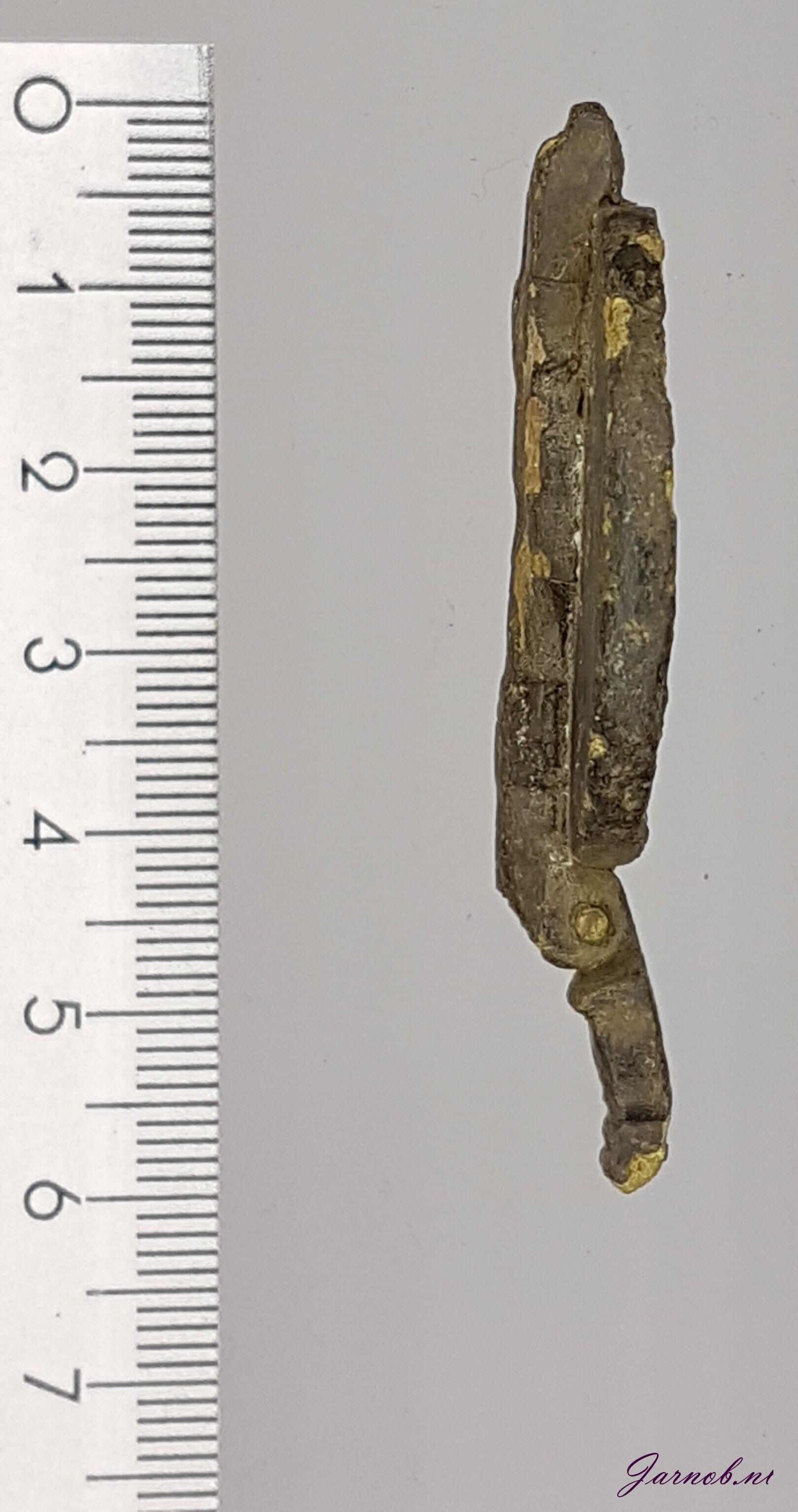
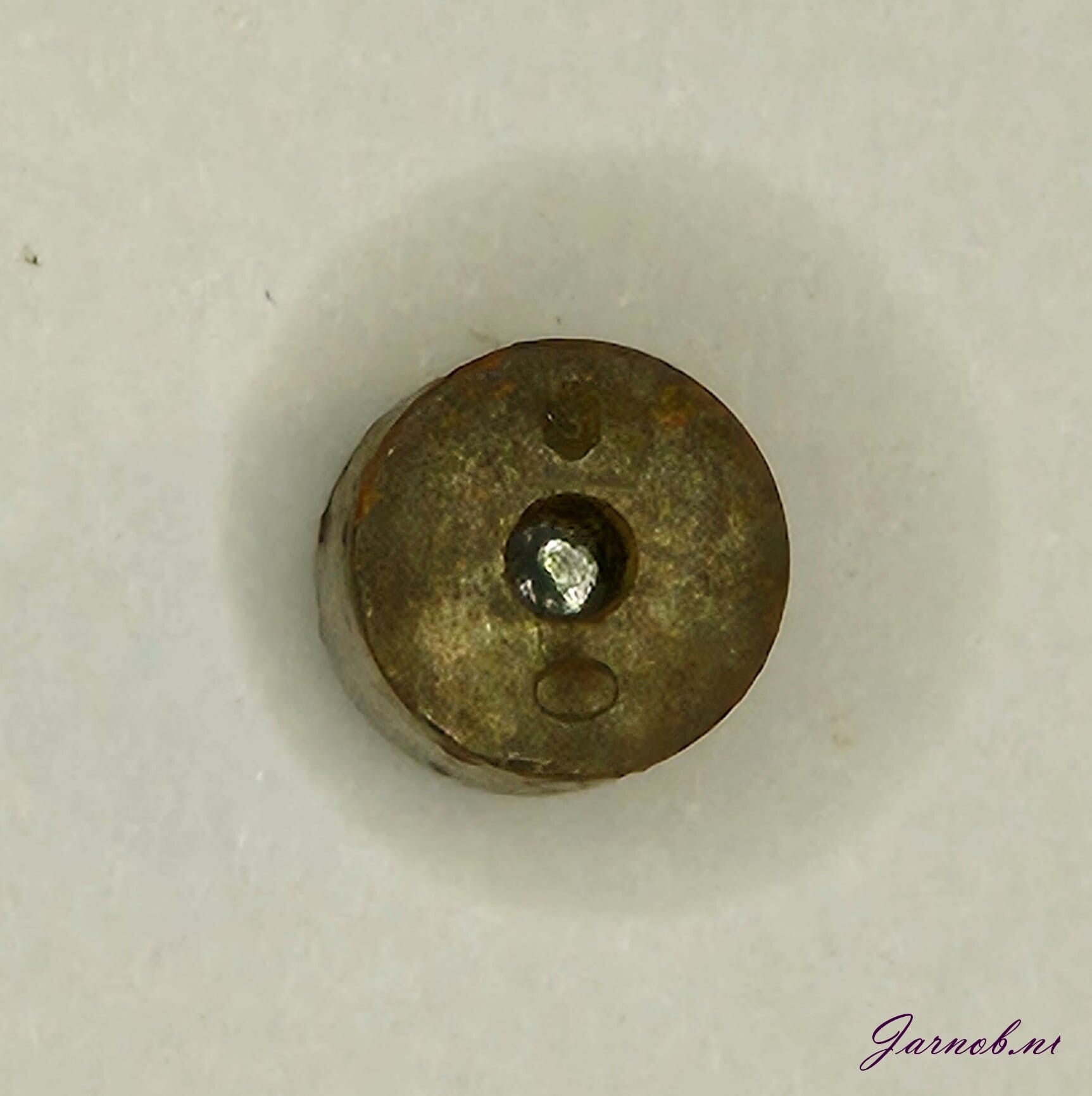
Lid of a closing weight ('sluitgewicht') used for weighing precious metals like gold and silver. Used from 1250-1820 each lid had maker markings - the lid above has a hand, (commonly) repressenting the city of Antwerp (Belgium) and a (as for now) unknown bow marking.




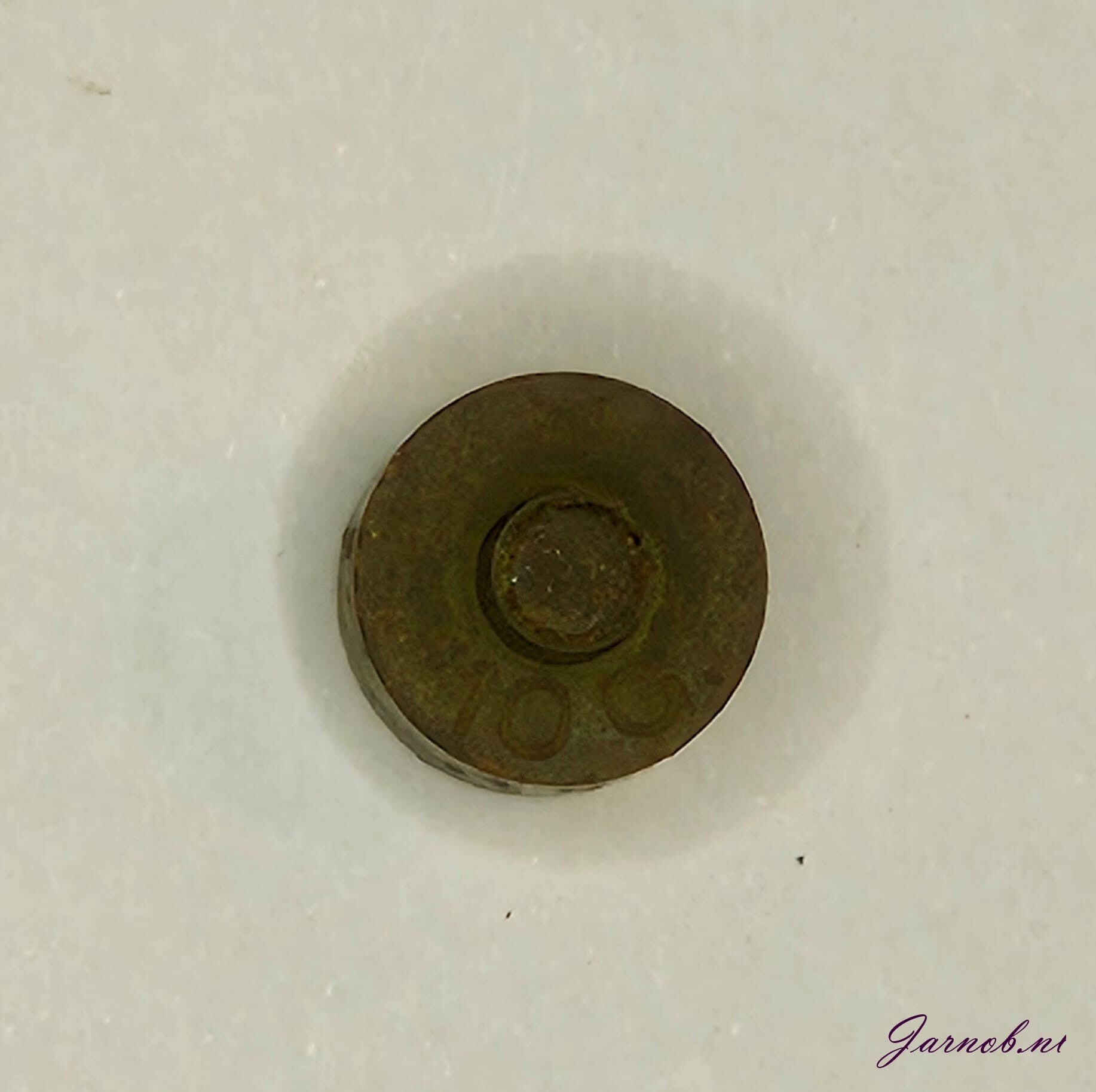
More commonly known weights are the standard knob weights. Although fairly new these can still be interesting. Most were intensively used in Europe during the 19th century until the mid 20th century. As with their predecessors these were marked and calibrated by official gild/ government members who placed their markings upon these weights.
The weight above as a '10G' marking (10 grams) and three year markings: small letters 'r', 's' and 't', which repressent calibrations for 1947 - 1952.


This knob weight is more interesting: this is a '2 HEKTOGRAM' (200 grams) weight with 18 calibaration markings split up in two periods of usage.
The first 7 markings date from 1888-1897. The second 10 markings date from 1924-1941 - during the second world war this weight was not used for an extended period of time. Remarkably the 18th marking represent a calibration date of 1957-1958, during those years it was presumably in use for the last time.

'Muntgewichtjes' (Coin weights) are other very interesting finds. These were used to rate certain coin type weights to other counter part coins. In these ages the weight of the material repressented the value of coin.
These coin weights were once again calibrated and marked by its maker and coin type. The specimen on the left has maker mark
Willem van Langenberch (marked '9 6 W A L') - Antwerpen 1596 and is used for the Carolus Gulden 1521-1556.
