1st Combat Cruise events
One of the parts of the USS Oriskany Combat cruise photo lot consisted of F9F Panthers (and a single F4U Corsair) taking off and landing on the flightdeck:
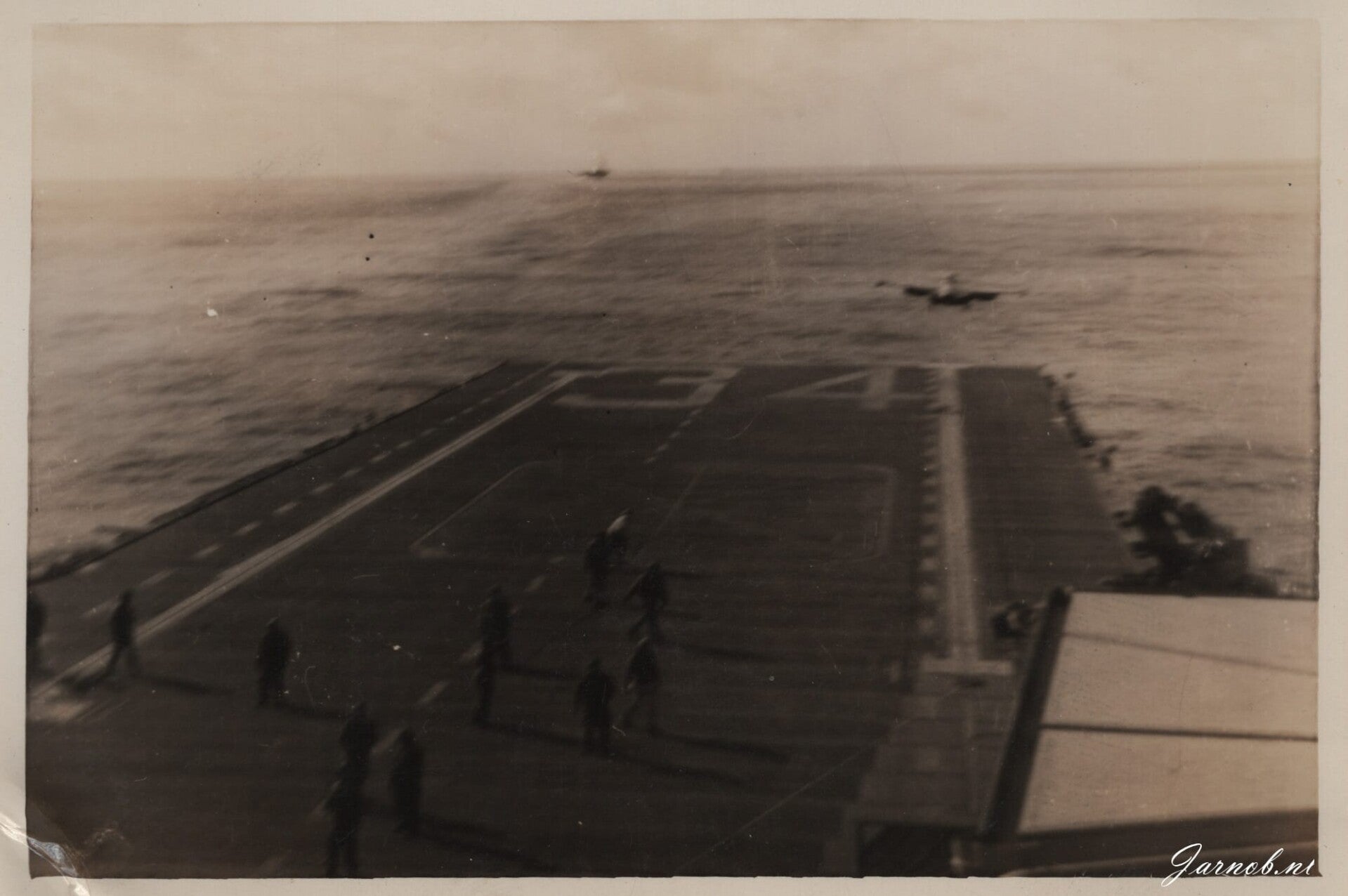
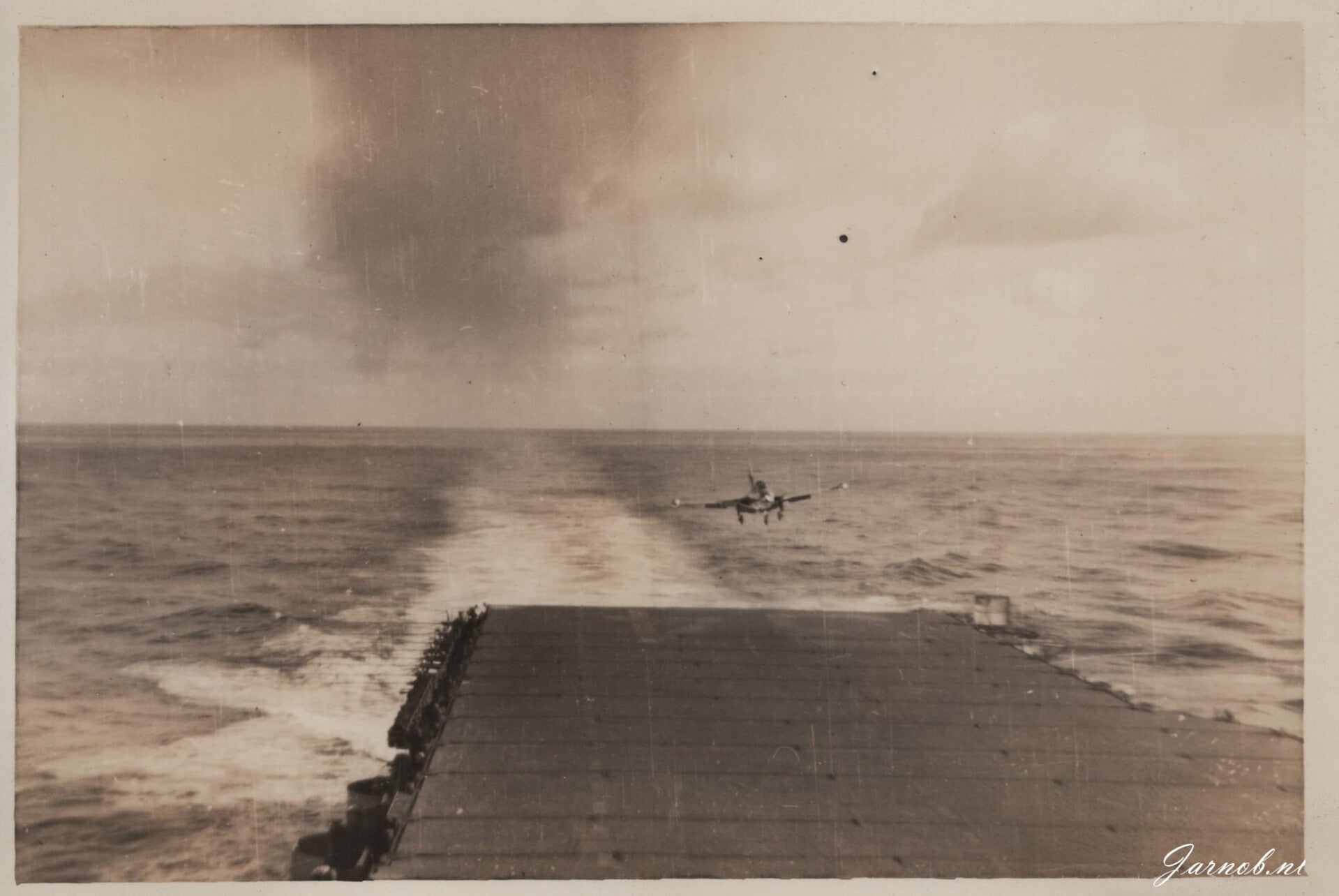
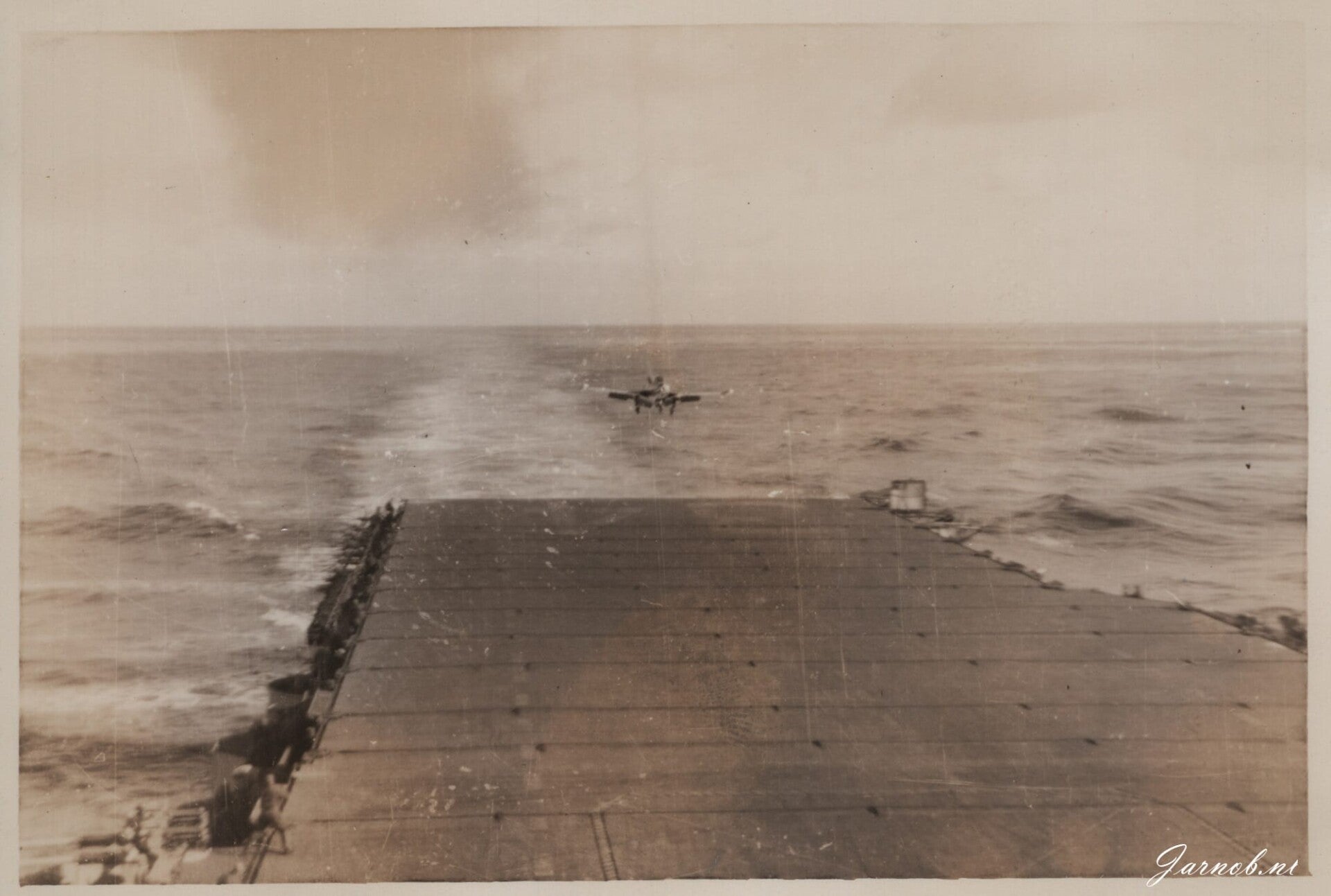
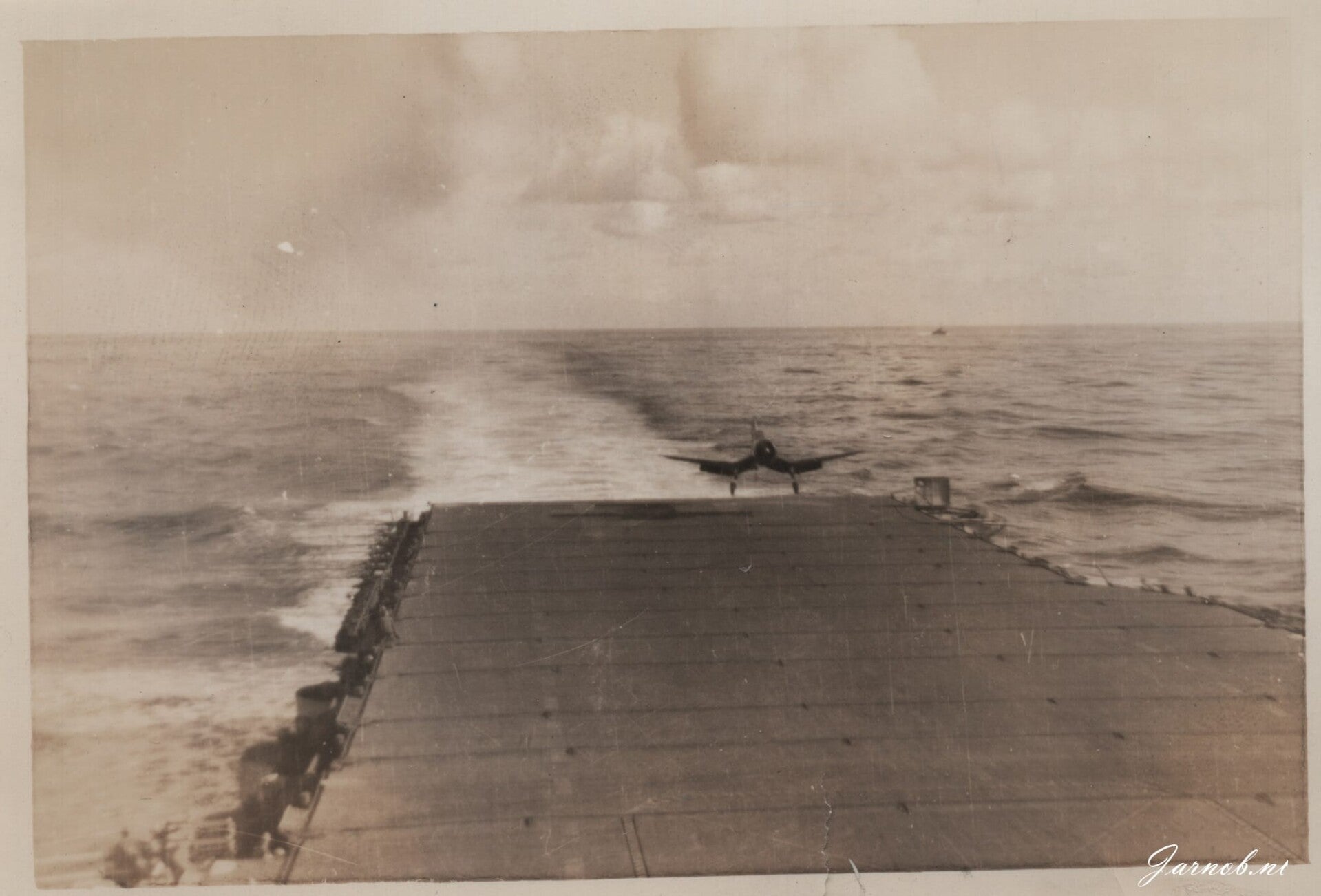
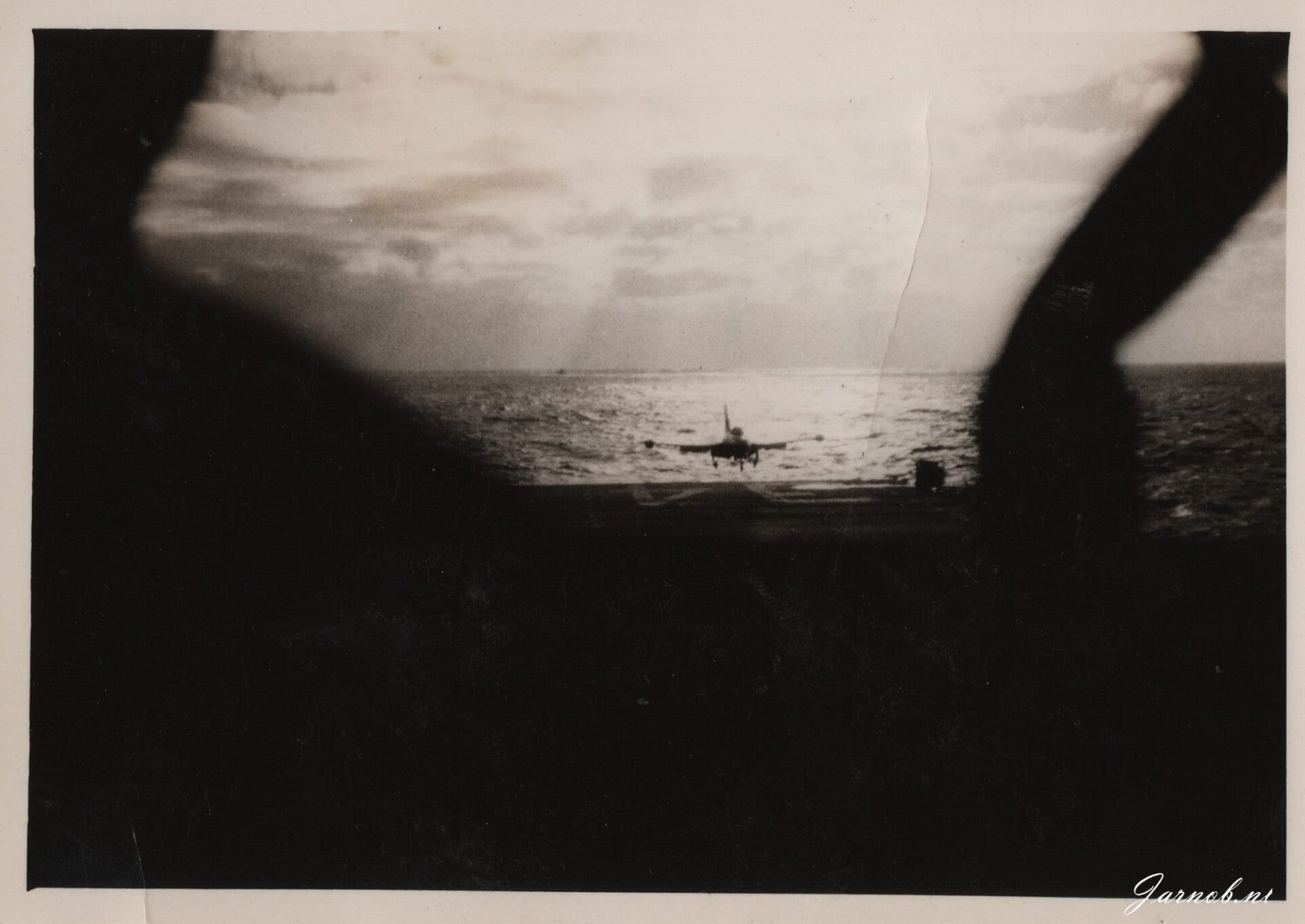
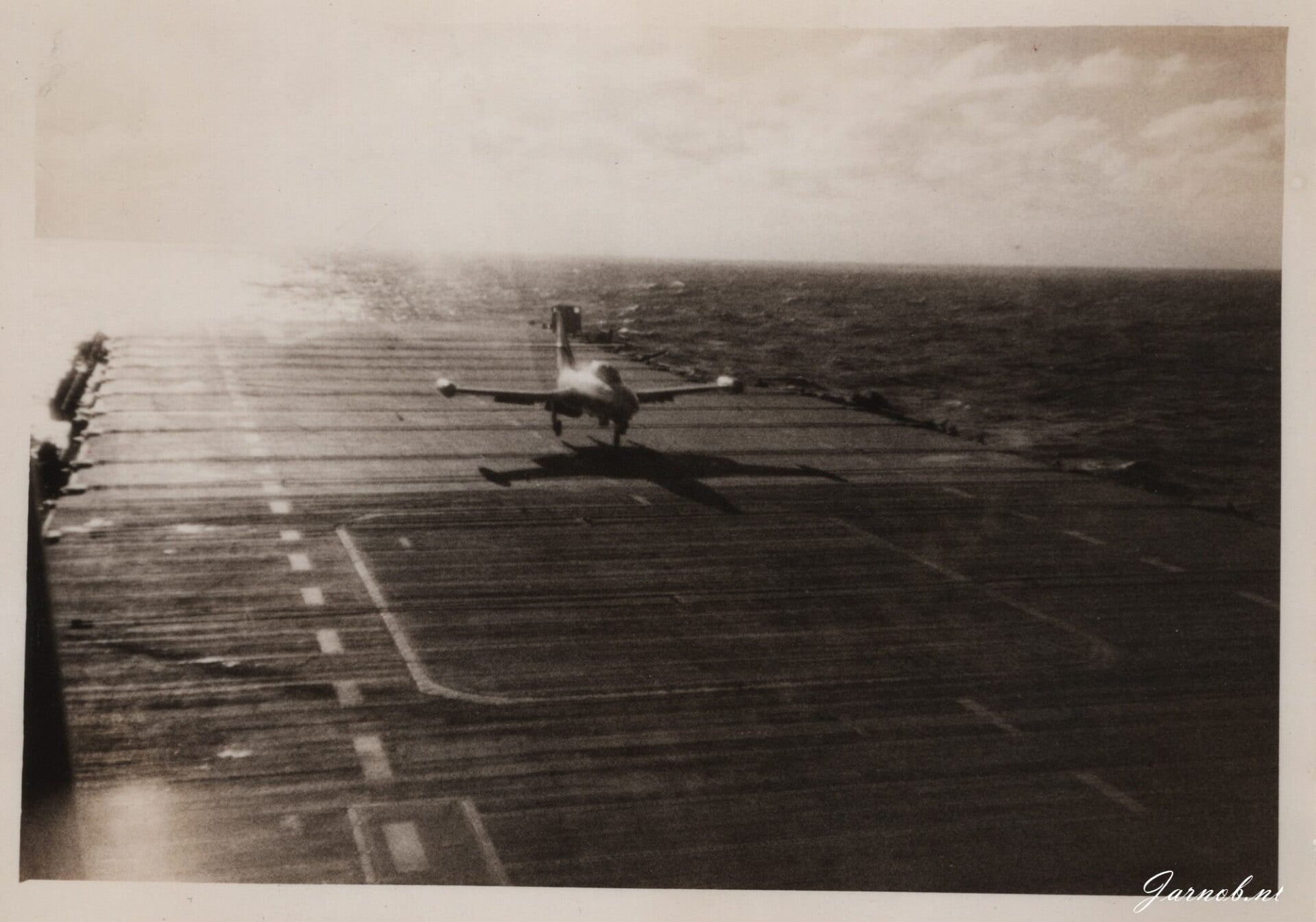
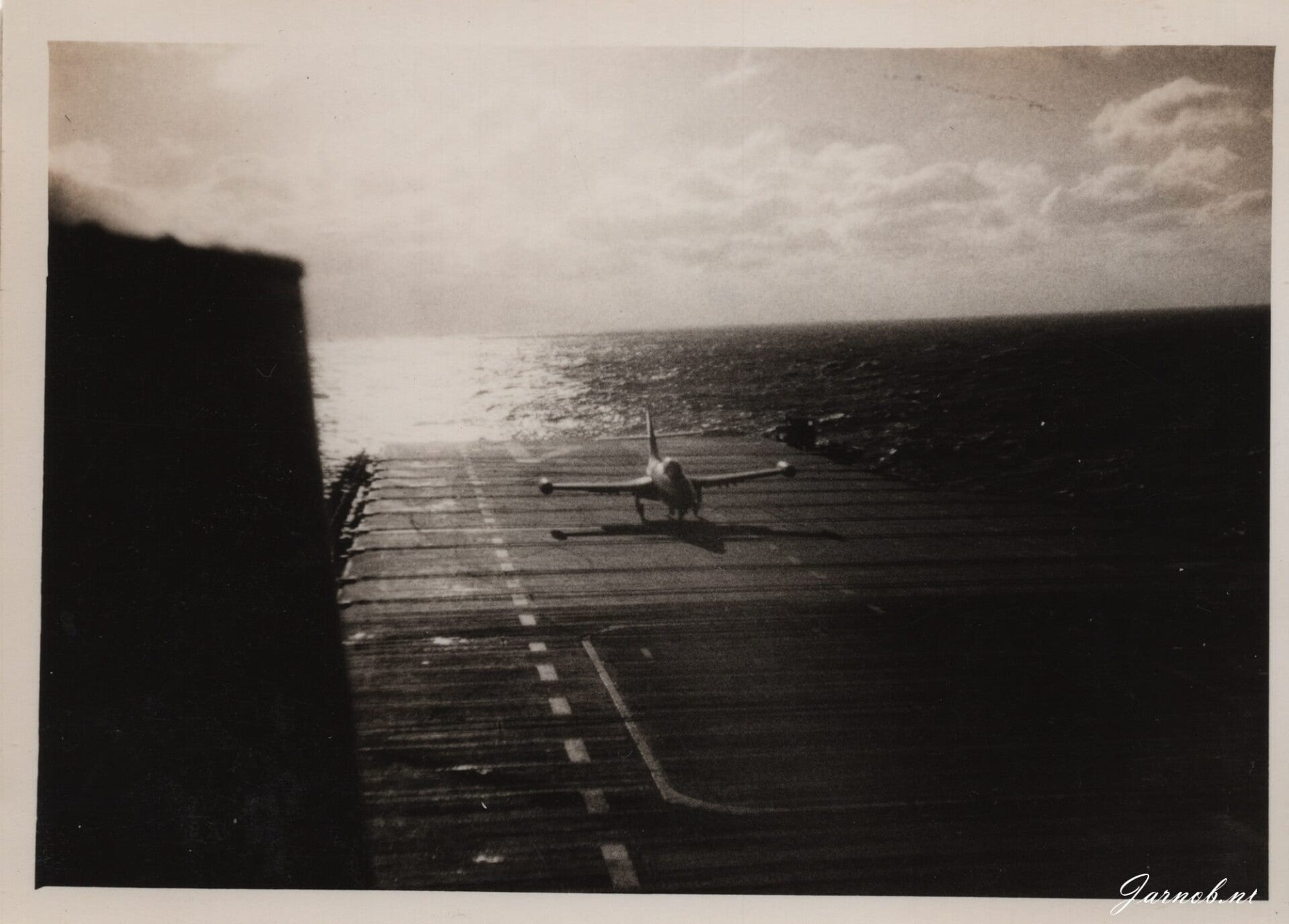
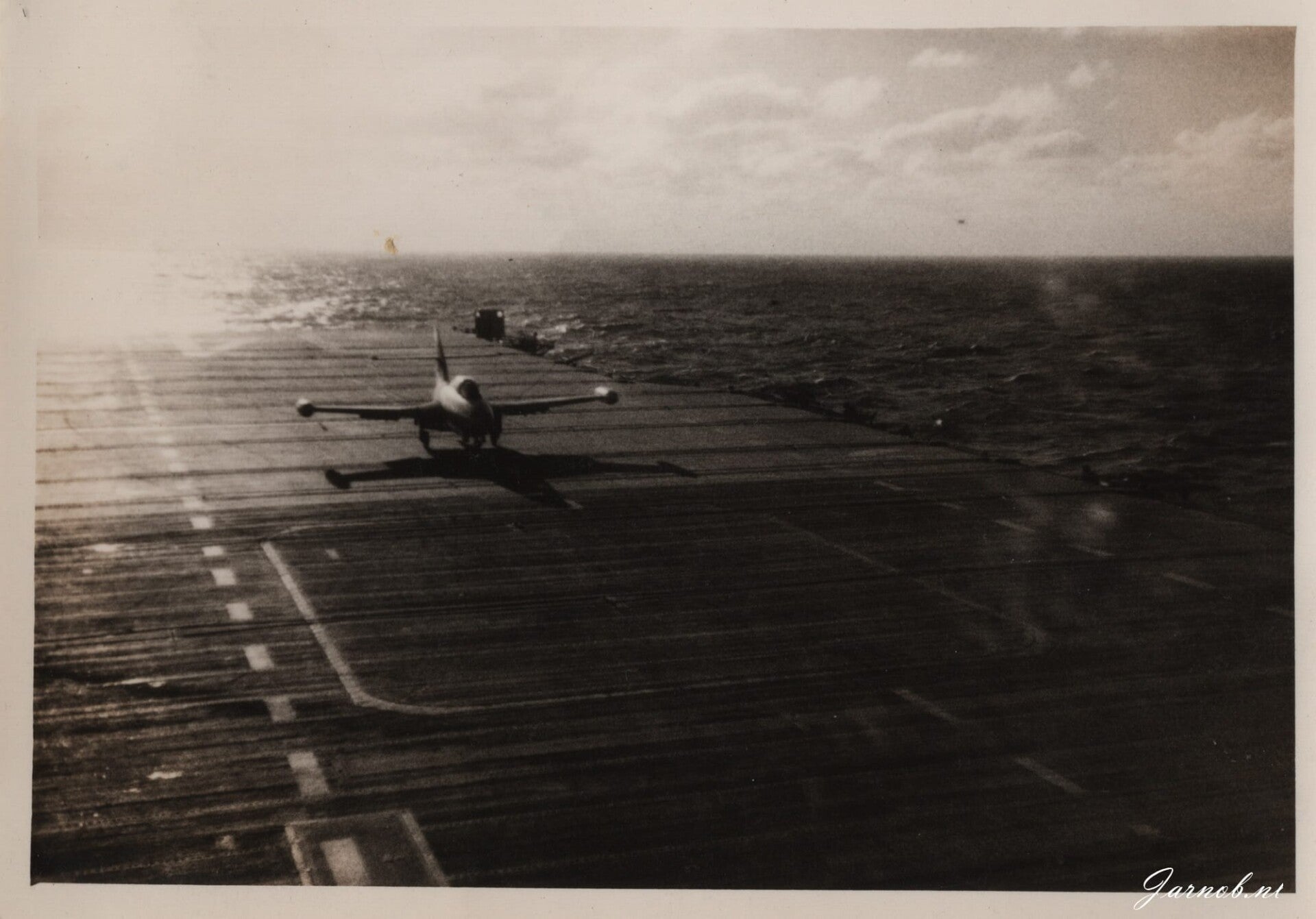
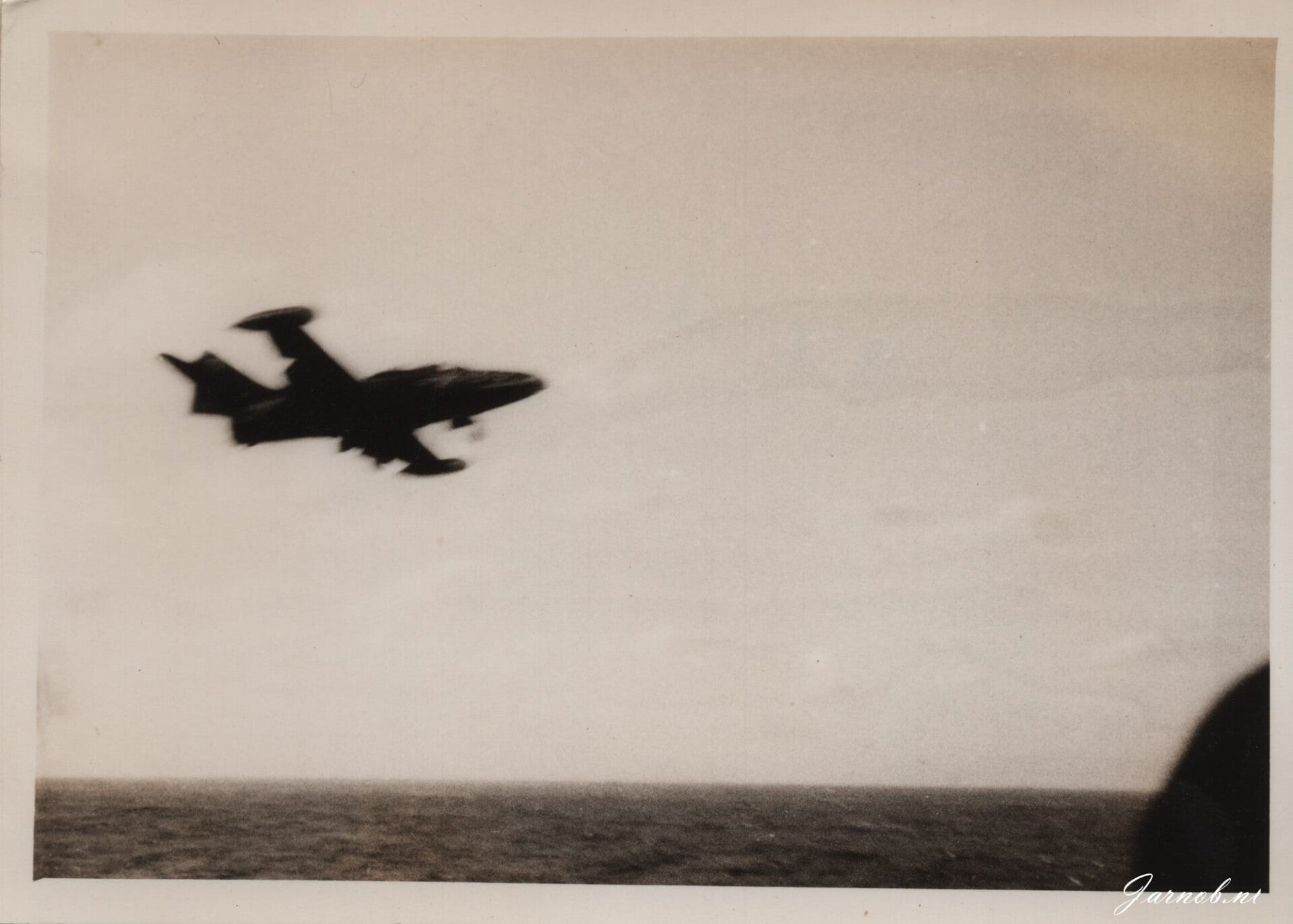
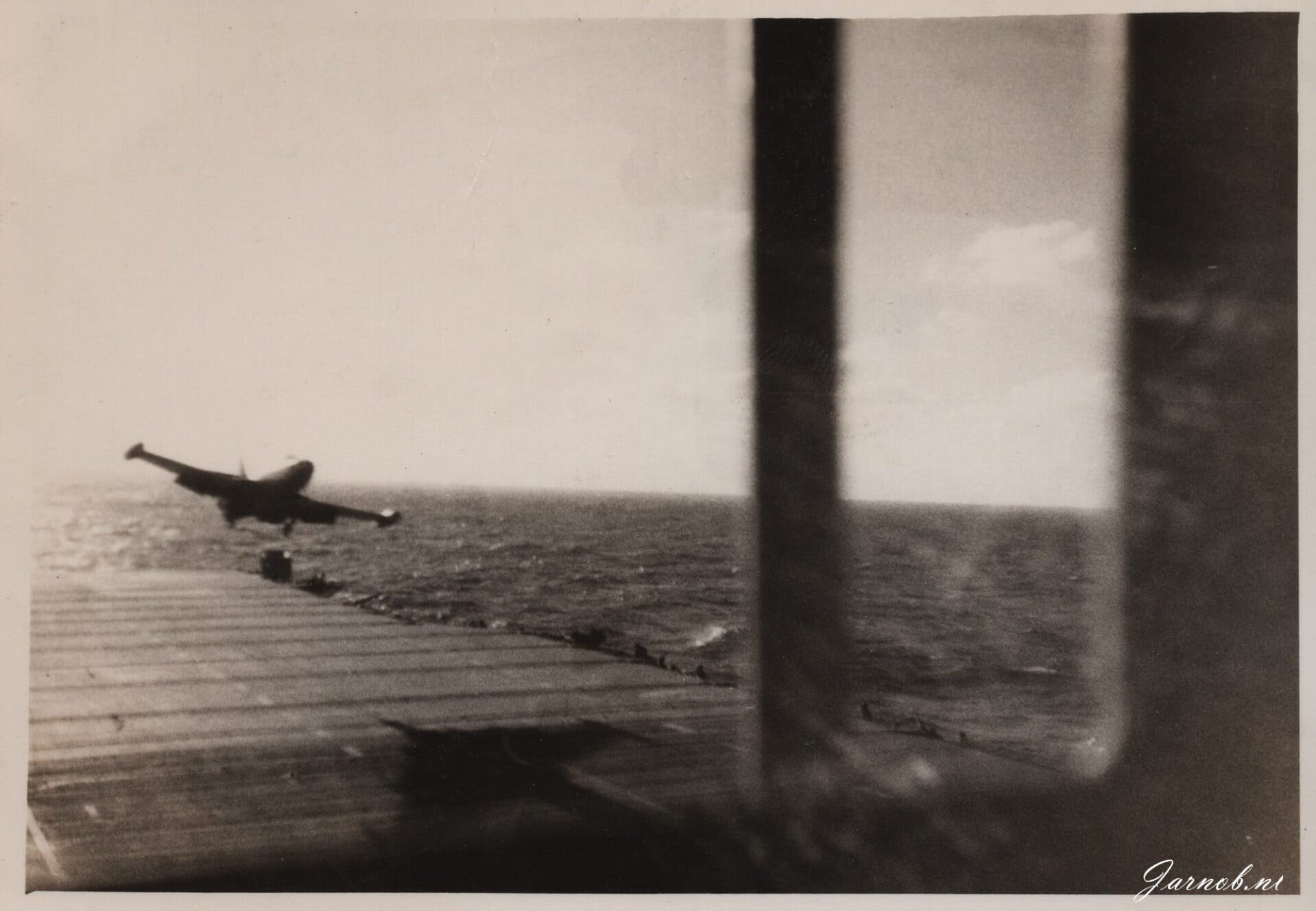
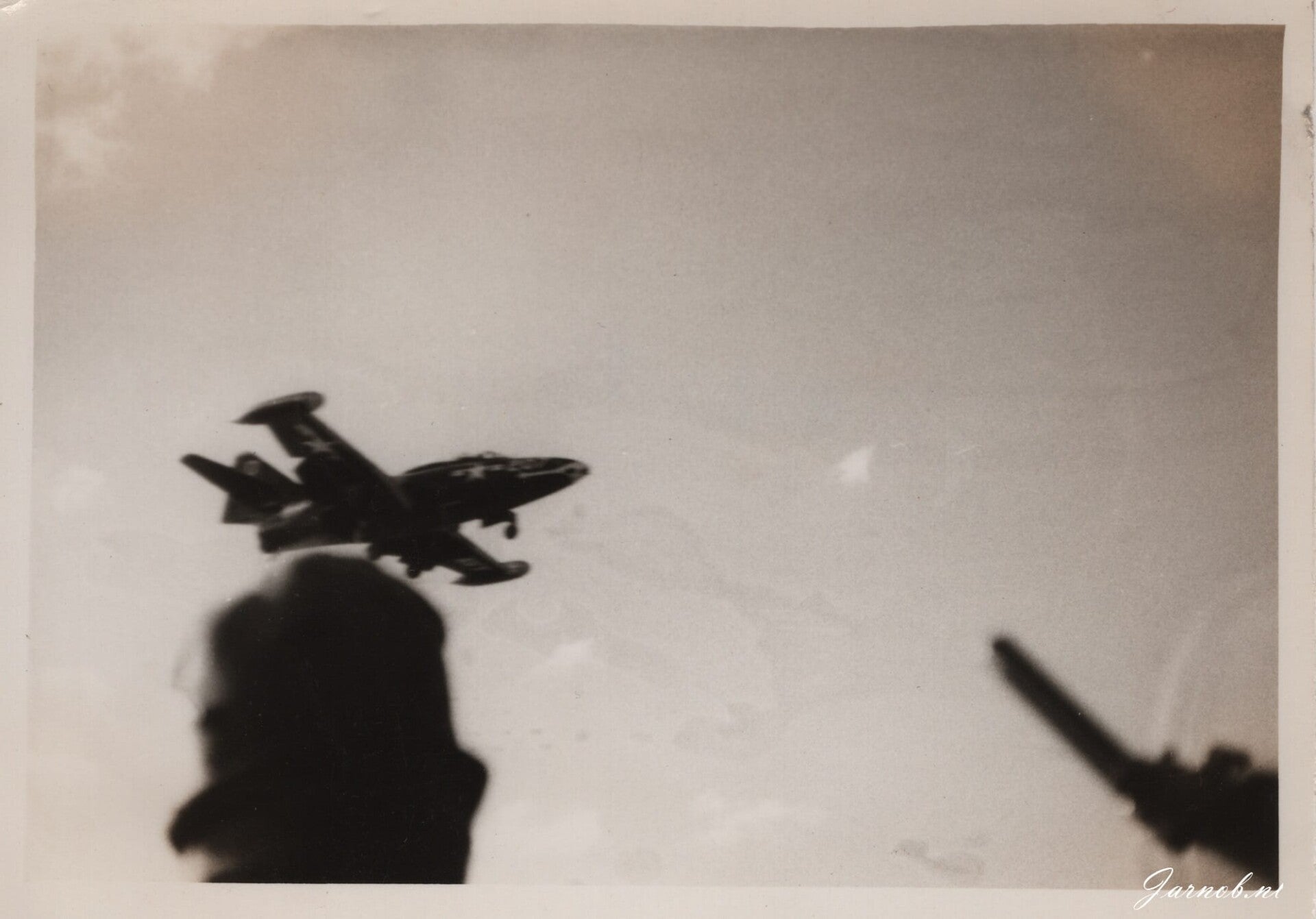
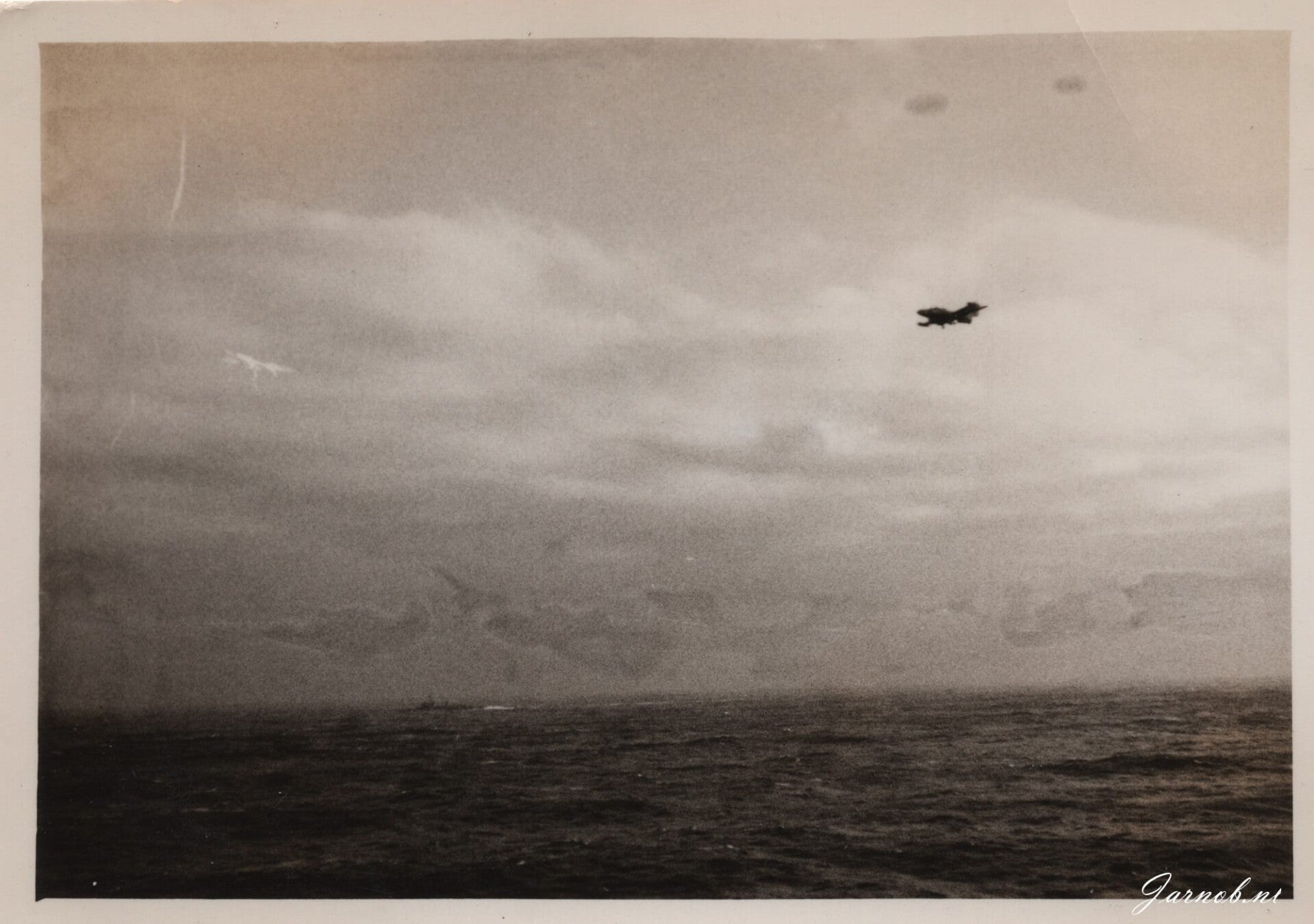
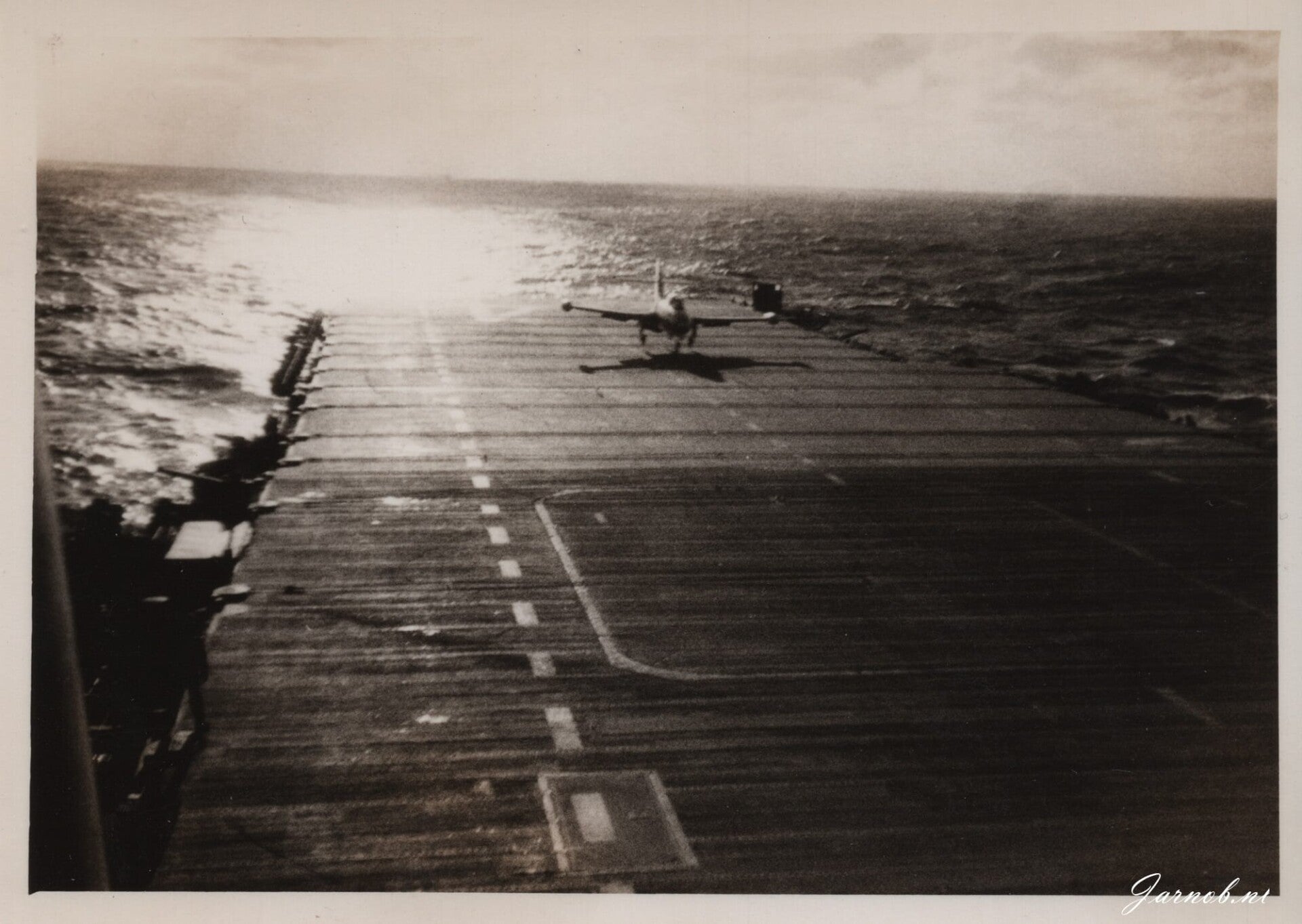
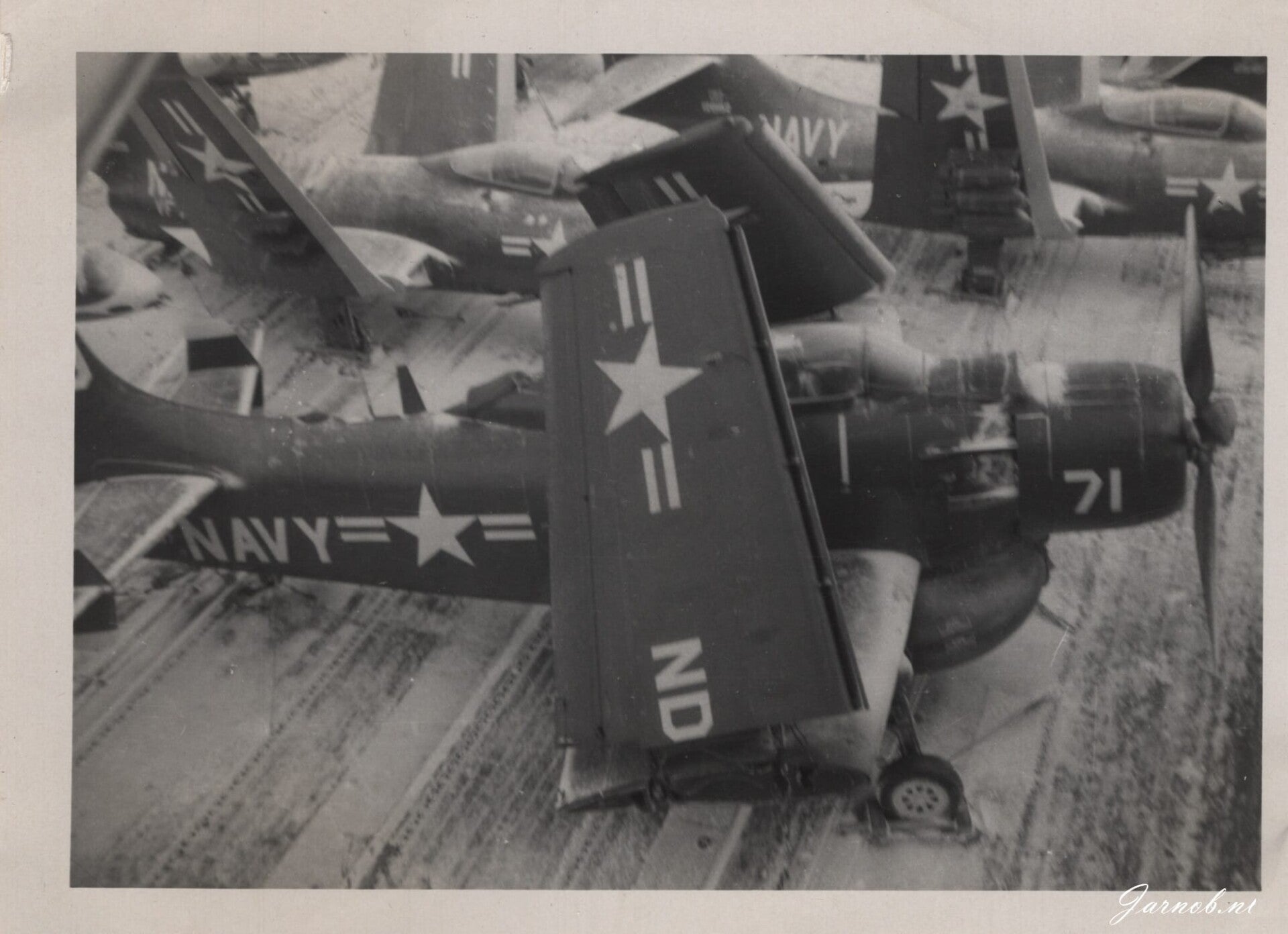
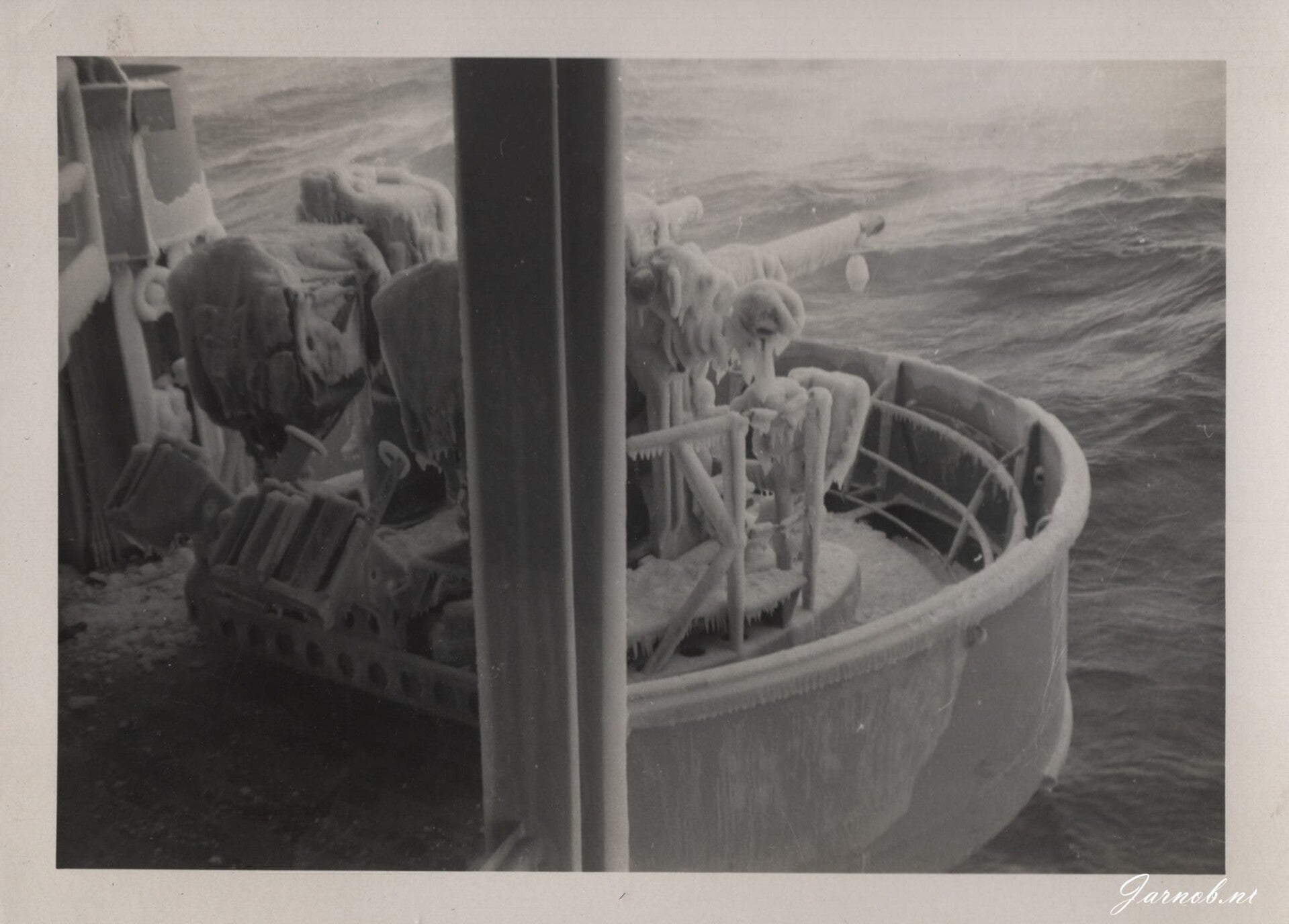
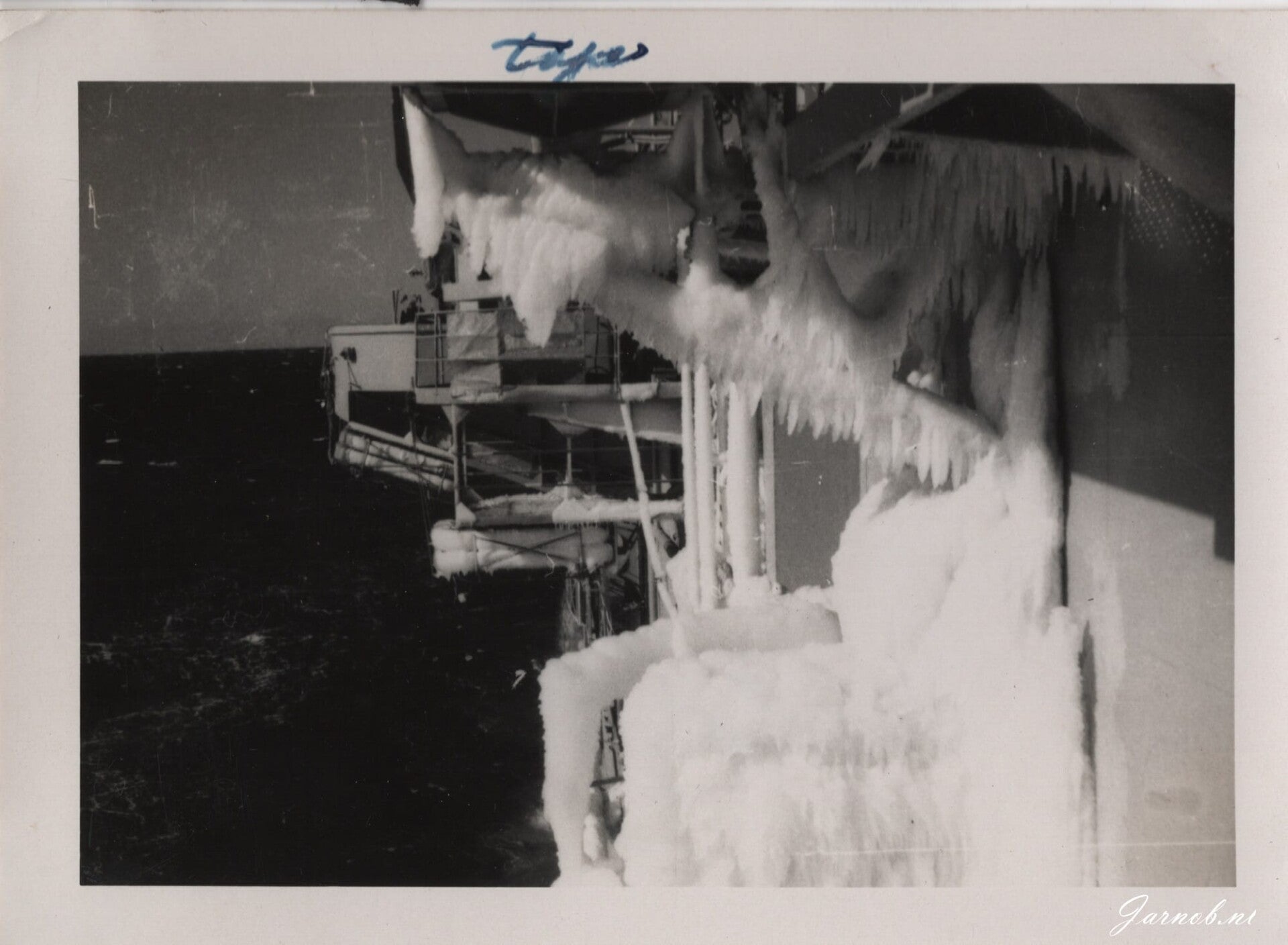
The infamous winter of 1952/ 1953 was very harsh with extreme icy conditions. The conditions aboard the USS Oriksany even made the national US news headlines. Equipment froze over, aircraft were covered i ice, the sea was wild with heavy winds blowing ice over the sea and flightdeck. Richards covered these conditions on several photographs.
It was a spectacular sight seeing the aircraft standing on the flightdeck in the icy conditions - still ready to go when possible and bombed up!
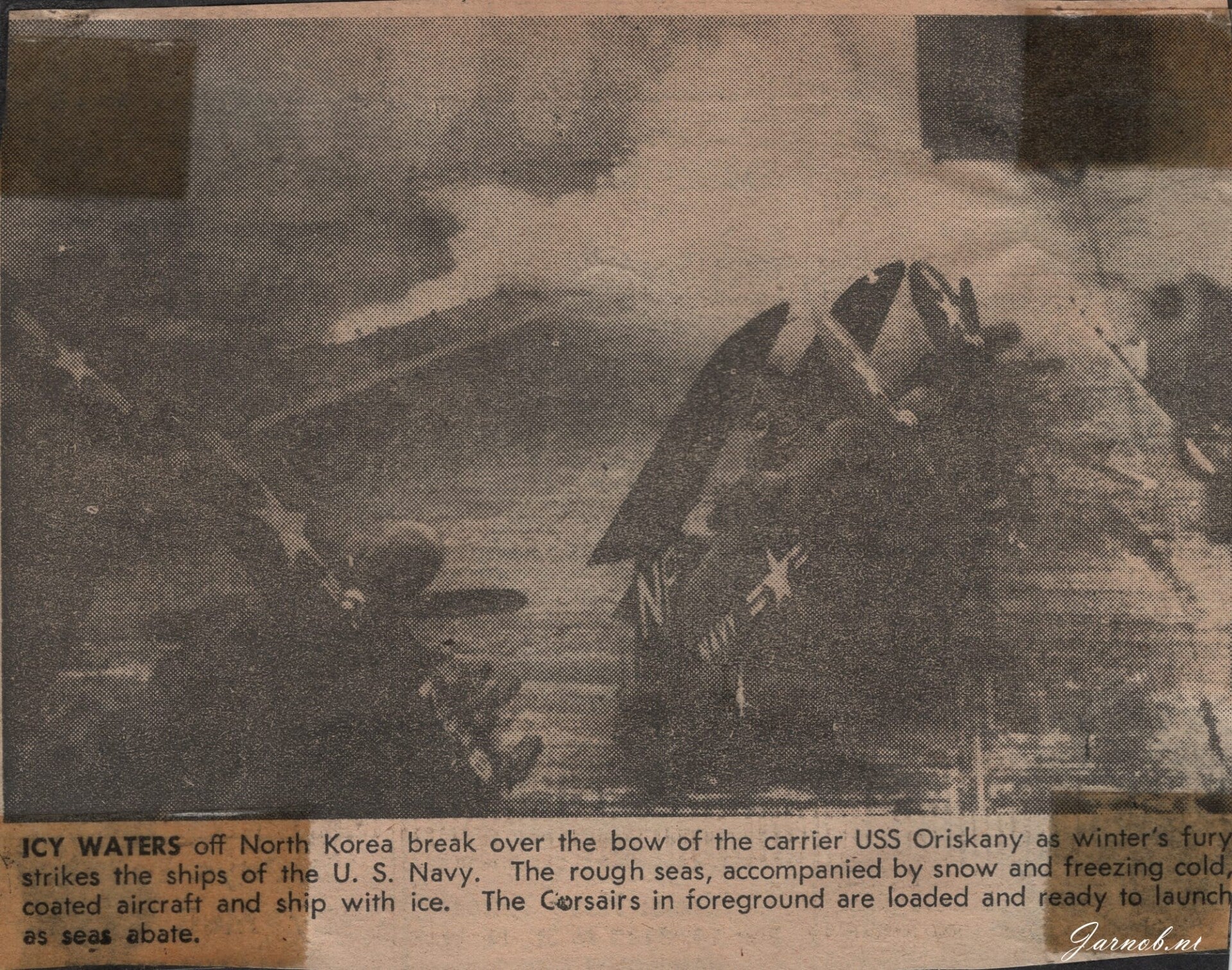
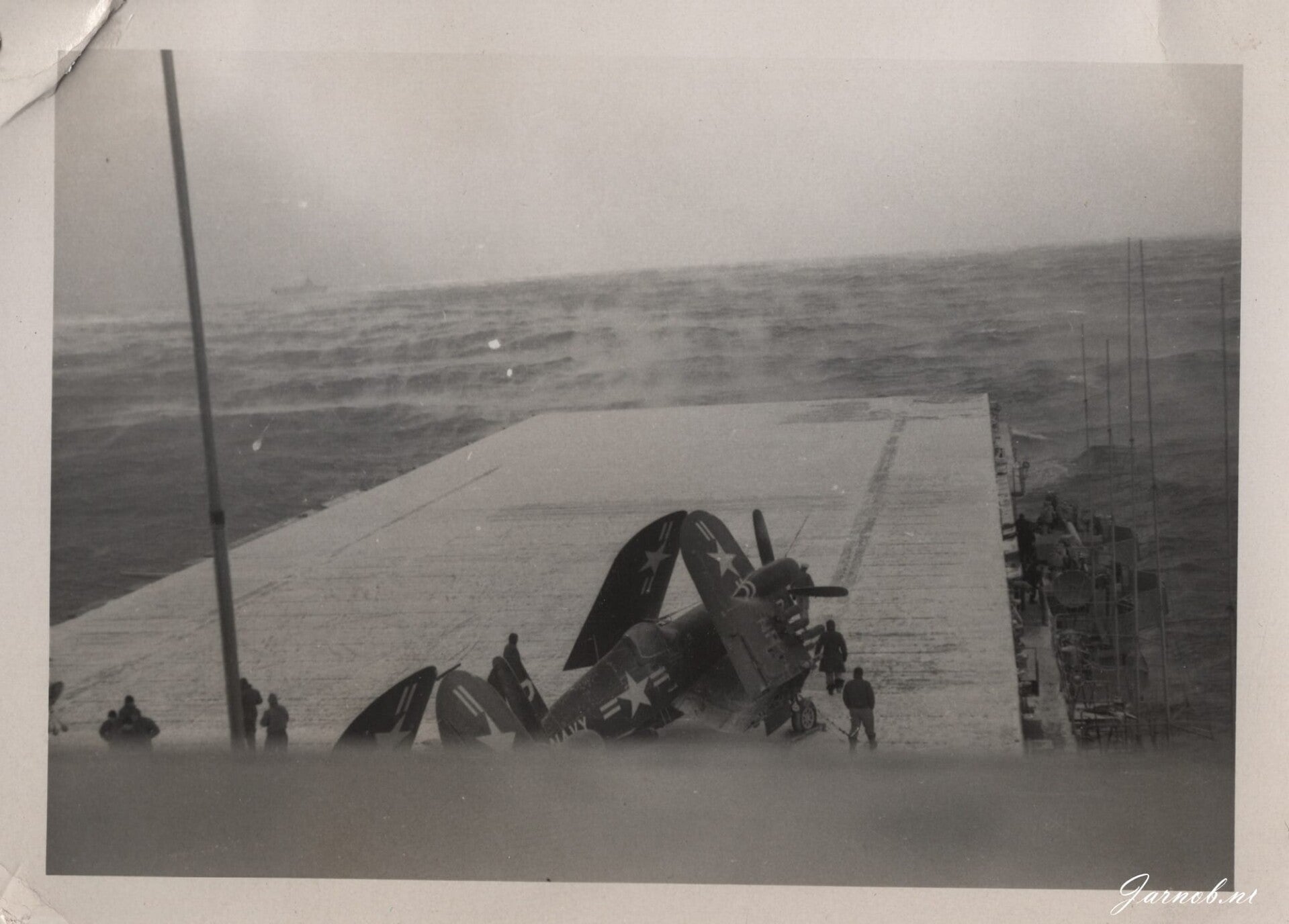
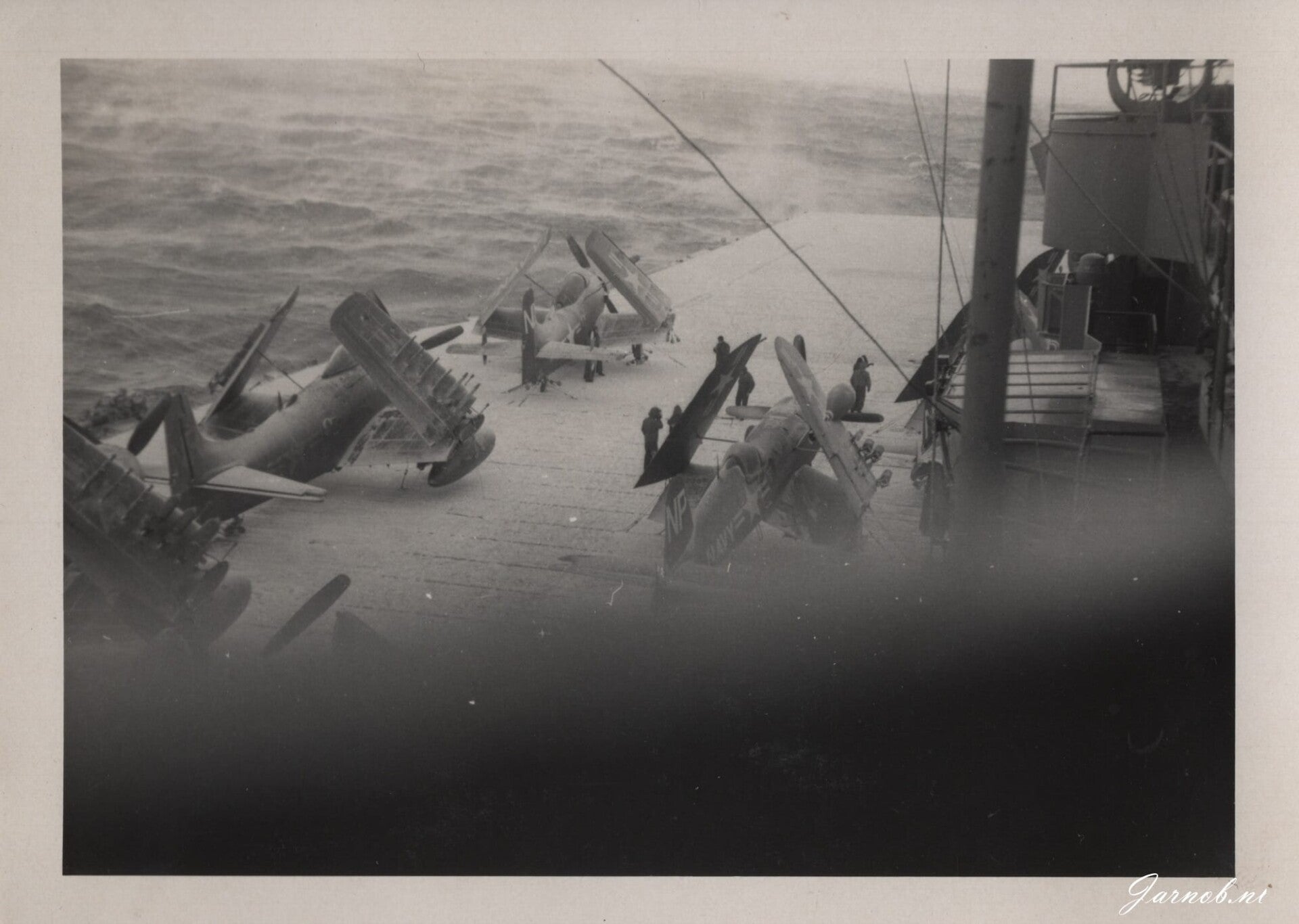
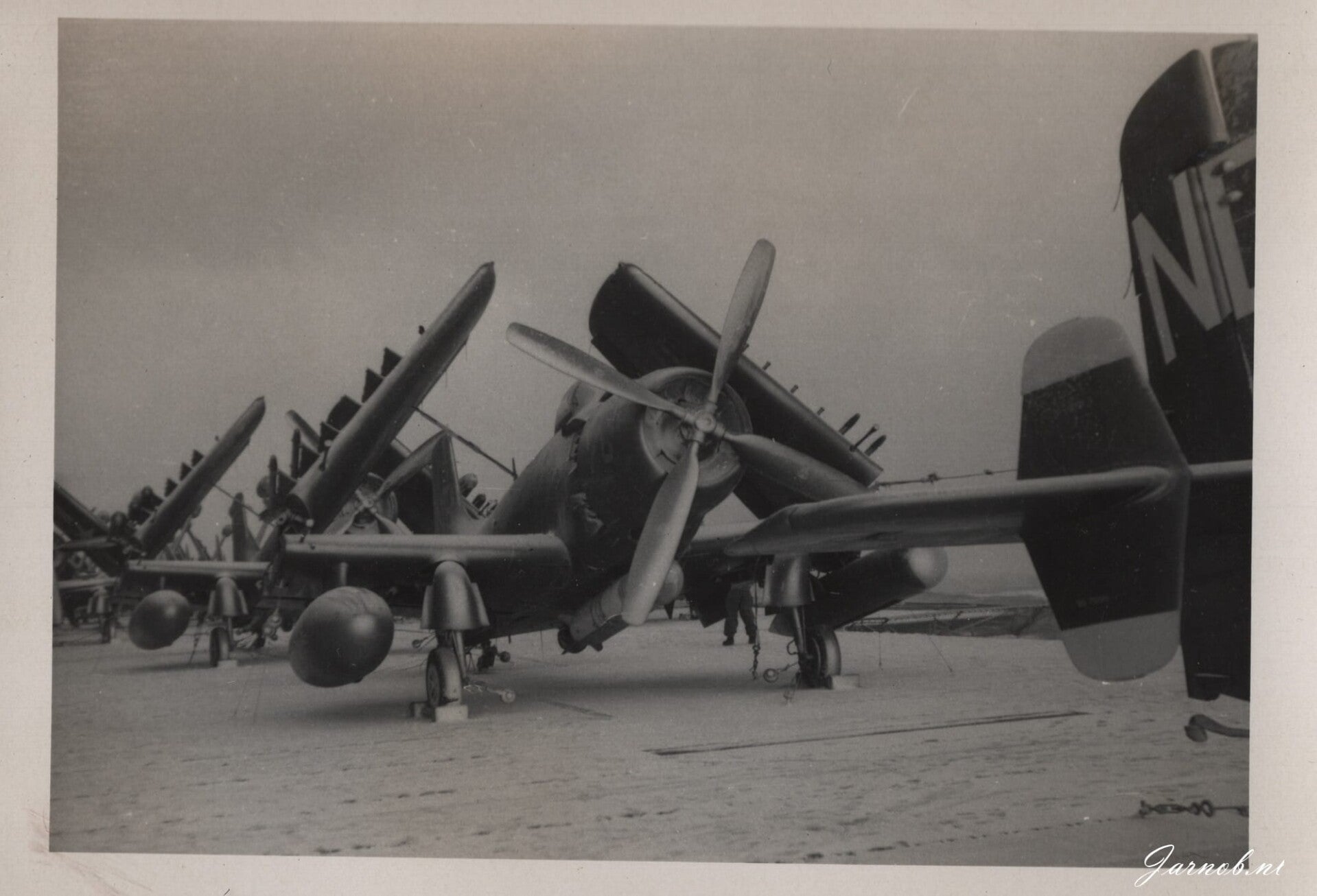
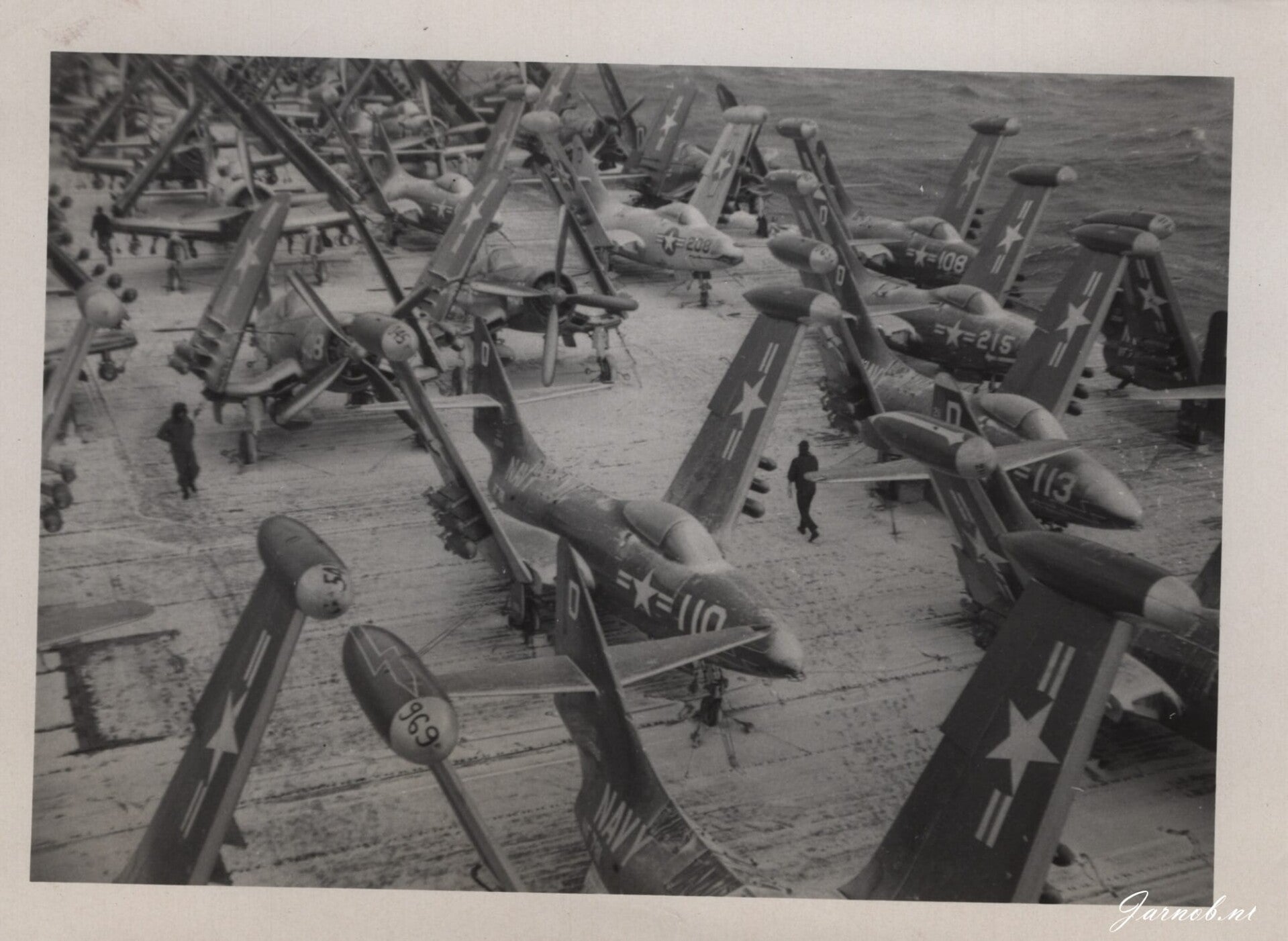
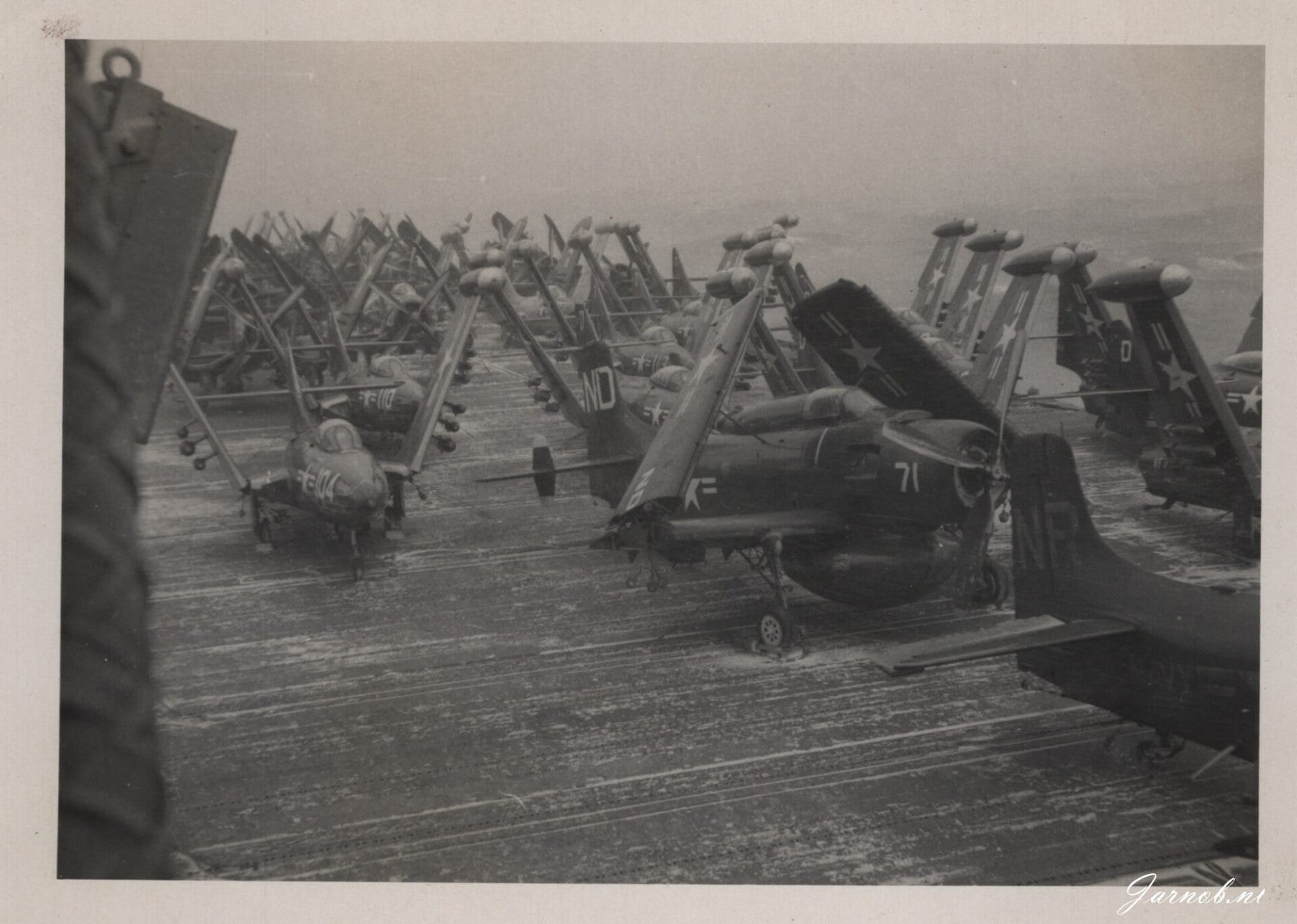
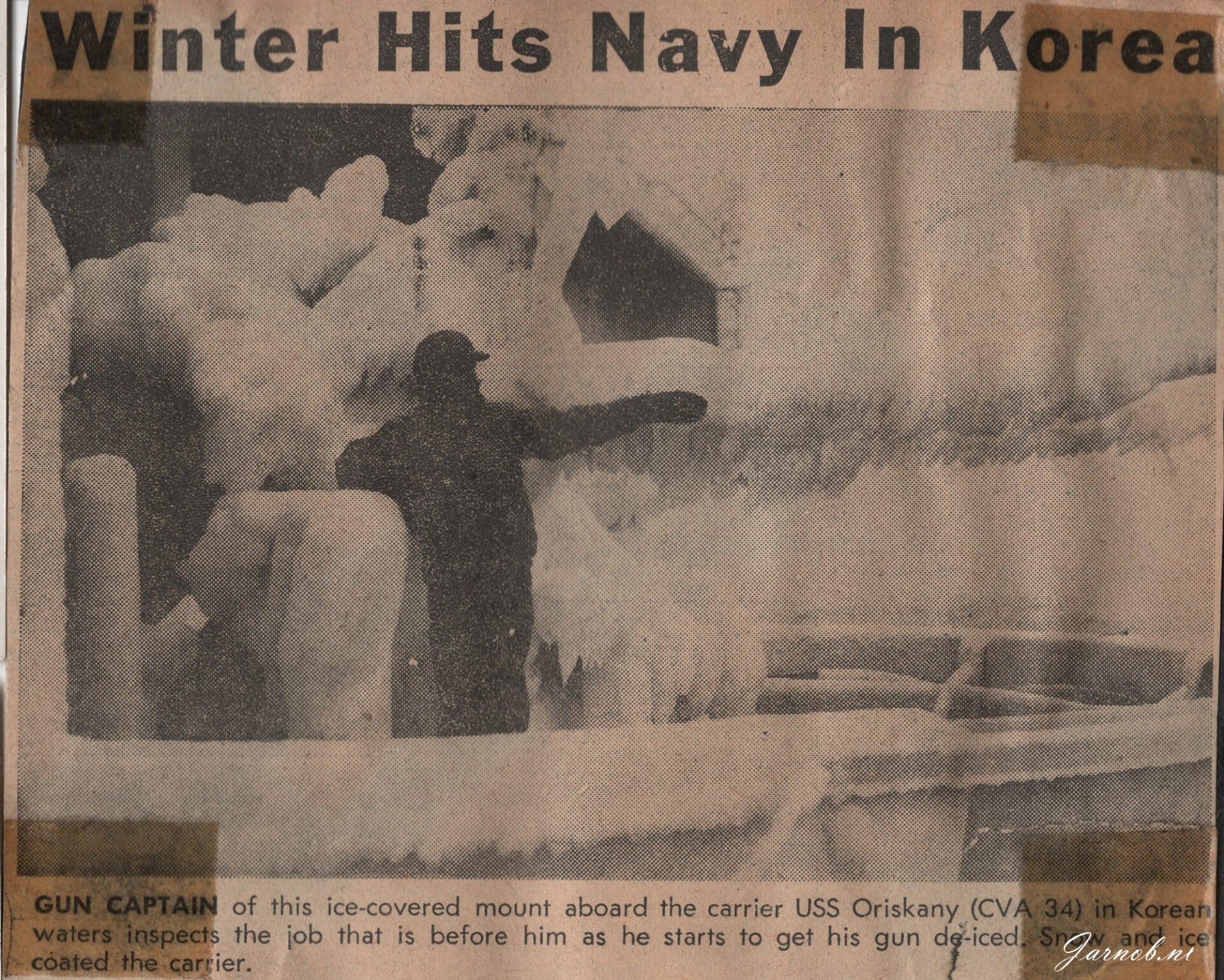
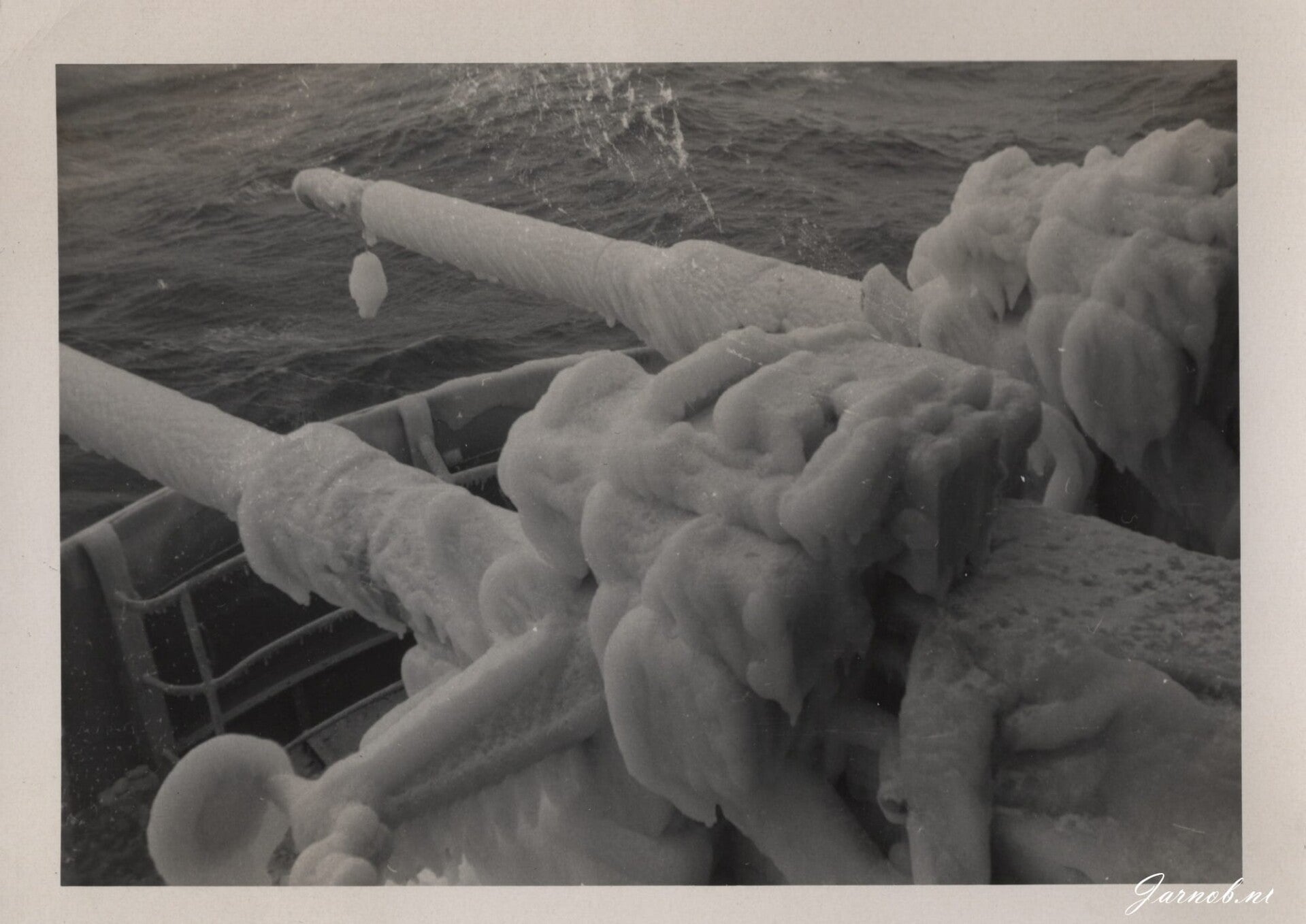
Even the canons were covered in a thick layer of ice...
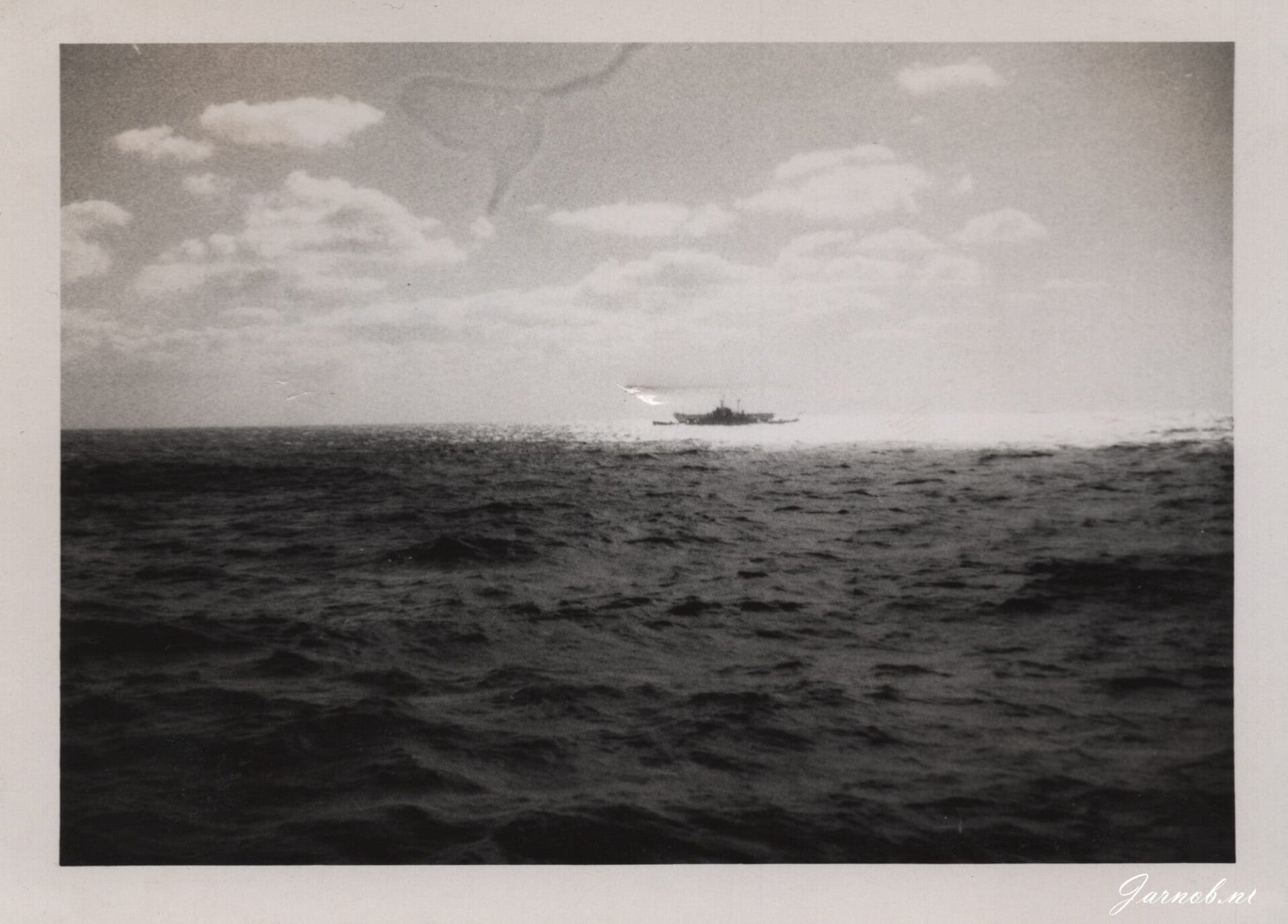
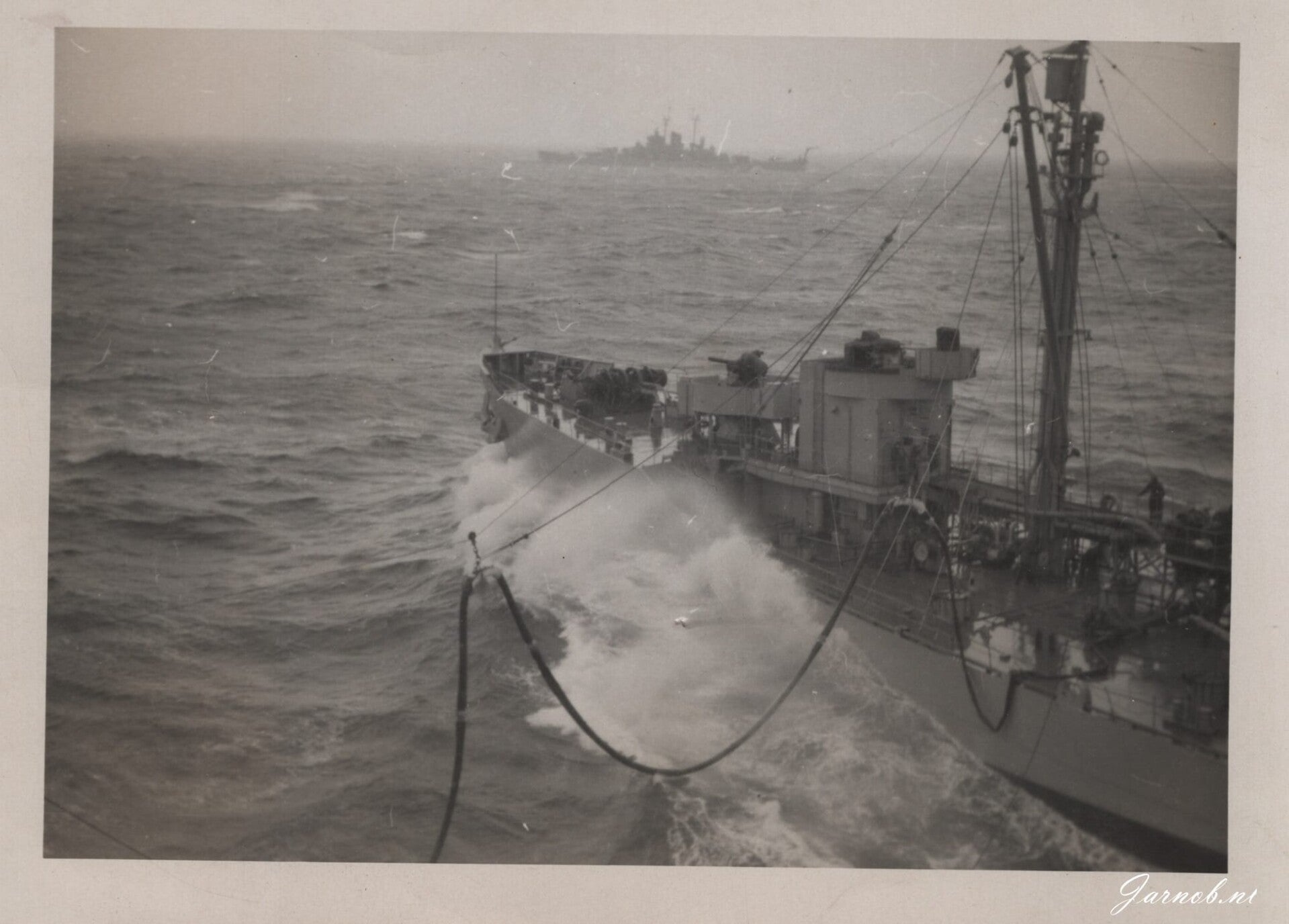
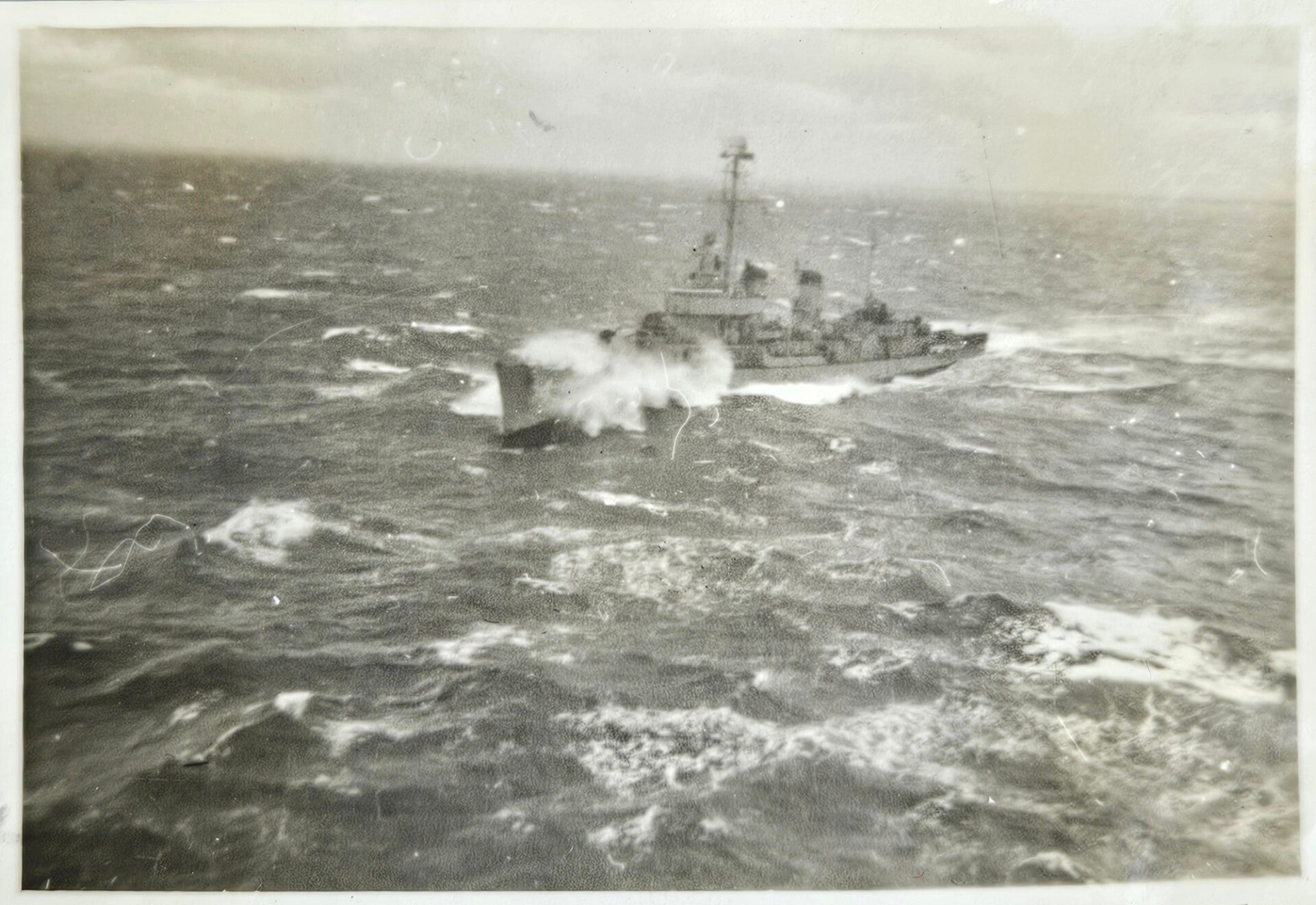
Three more interesting photographs: Top: "One of our sister carriers on the distance" and "Fueling at sea, This one was a little rough." (destroyer in the background - left photo) and an escort vessel (right photo).
MiG Killers
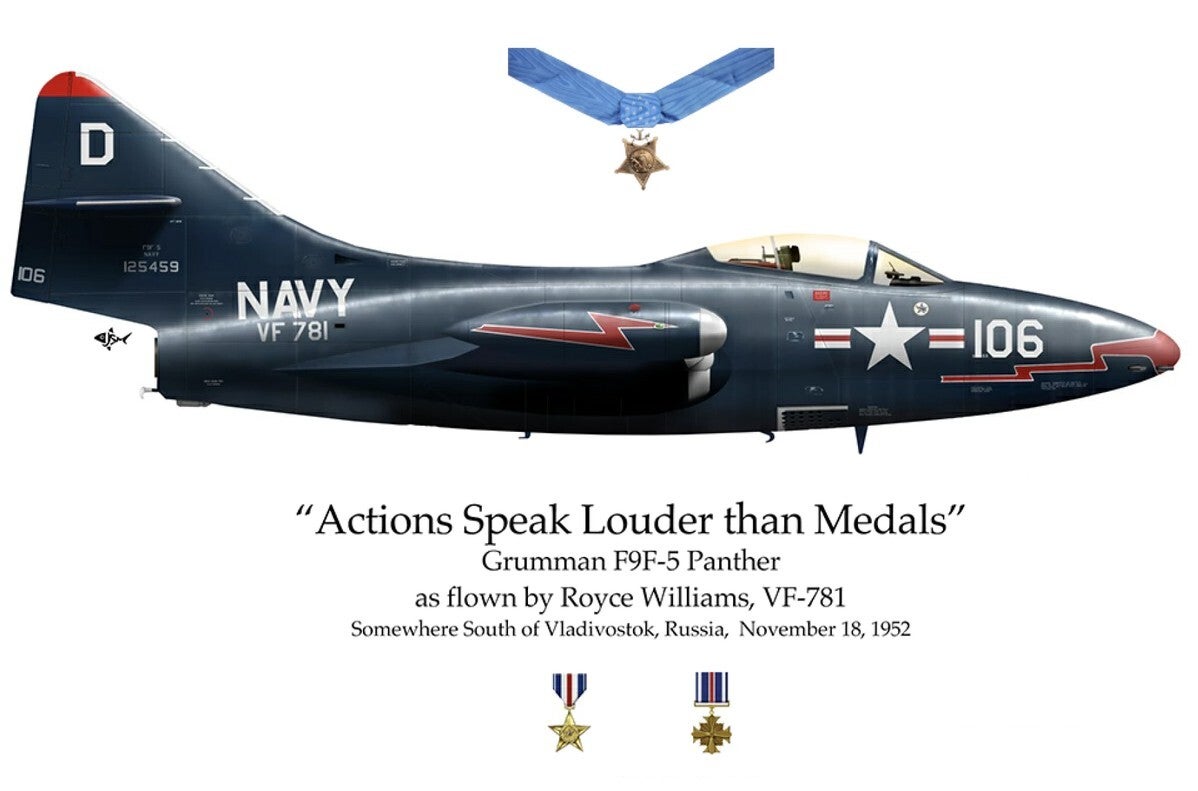
Nov. 18, 1952 proved to be an unlucky date for MiG pilots. The USS Oriskany’s CVG-102’s VF-781 and VF-783 were giving the F9F-5 its air-to-air combat debut. That day, TF 77’s carriers air strikes were to be flown against factory buildings on the Yalu River, which was well within range of Soviet fighters - CVG-102 was instructed to have Panthers patrol between its vessels and Vladivostok as a precaution.
Lt Claire Elwood’s division from VF-781 launched to intercept “bogies” heading for the carrier. Section leader Lt Royce Williams sighted the contrails of seven MiG-15’s. The lead pair of F9F Panthers withdrew due a fuel pump failure. Williams and his wingman remained and the MiG-15’ss dived on them in two groups.
Williams turned behind the No. 4 jet and fired. It fell away and eventually crashed. His wingman fired all of his ammunition at this MiG-15 leaving Williams the single F9F Ptnther available with ammo. Williams’ second victim was the flight leader’s wingman, whose jet went down in flames after a long burst of 20mm fire. He was then left to fight three MiGs, which were soon joined by the flight leader and his remaining two wingmen.
Williams repeatedly fired short bursts during the course of the wild dogfight that ensued, constantly turning towards his attackers while trying to protect his own “six o’clock” without a wingman. The MiGs, faster and more maneuverable, fired wildly from a distance and repeatedly overshot. Then the section leader was engaged and Williams saw parts flying off the aircraft as the MiG dived away with its airbrakes extended. One Soviet pilot managed to fire his cannon from behind the F9F, hitting its wing and knocking out all the hydraulics apart from the elevators. The jet followed Williams as he dived into clouds.
By now the previously withdrawn pair of F9F Panthers re-entered the fight, firing on another MiG-15 until its pilot ejected. This pair then drove away Williams’ pursuing MiG-15. Williams headed for the carrier while dodging AAA from US Navy destroyers that mis identified him as hostile. His jet was uncontrollable below 195mph, so he had to trap back aboard the USS Oriskany at that speed. The Panther (Bu.no. 125459 106/D) had 263 holes from 23mm and 37mm hits, and its battered remains were pushed overboard.