

Woensdrecht 1946-2026
After World War 2 ended the Dutch Air Force created its own training capacity. During World War 2 the Dutch military personnel was, as many other European forces, integrated into the British armed forces. Hence these were the blueprint for the new Dutch military, using the same structure for its organization as well as equipment.
Air Force training facilities would provide the entire program: from initial training to prop-/ dual prop- and advanced training. It was decided Woensdrecht would be used for the initial training wing consisting of 36 Tiger Moths of the ‘Elementaire Vlieger Opleiding’ (EVO). The first aircraft arrived in August 1946.
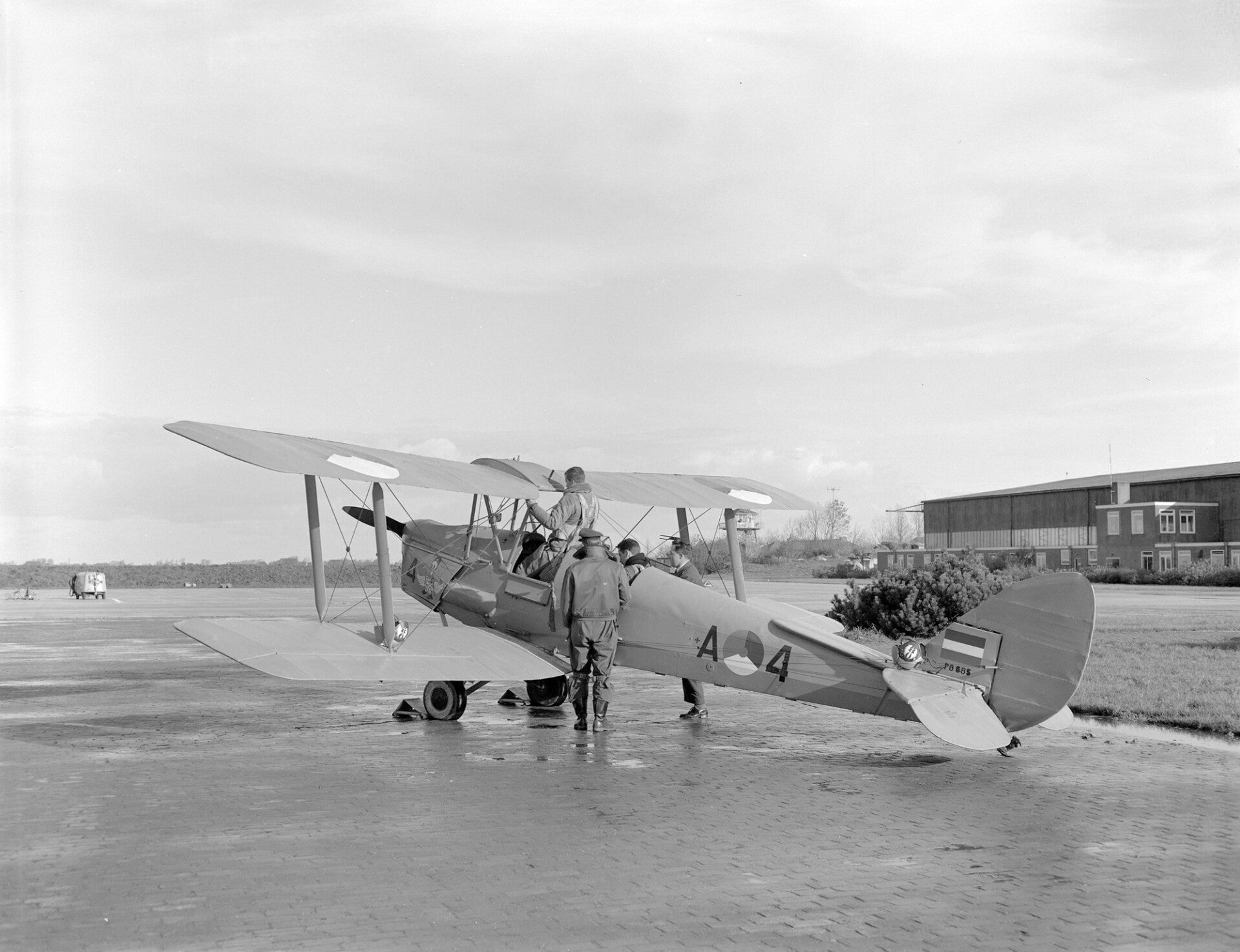
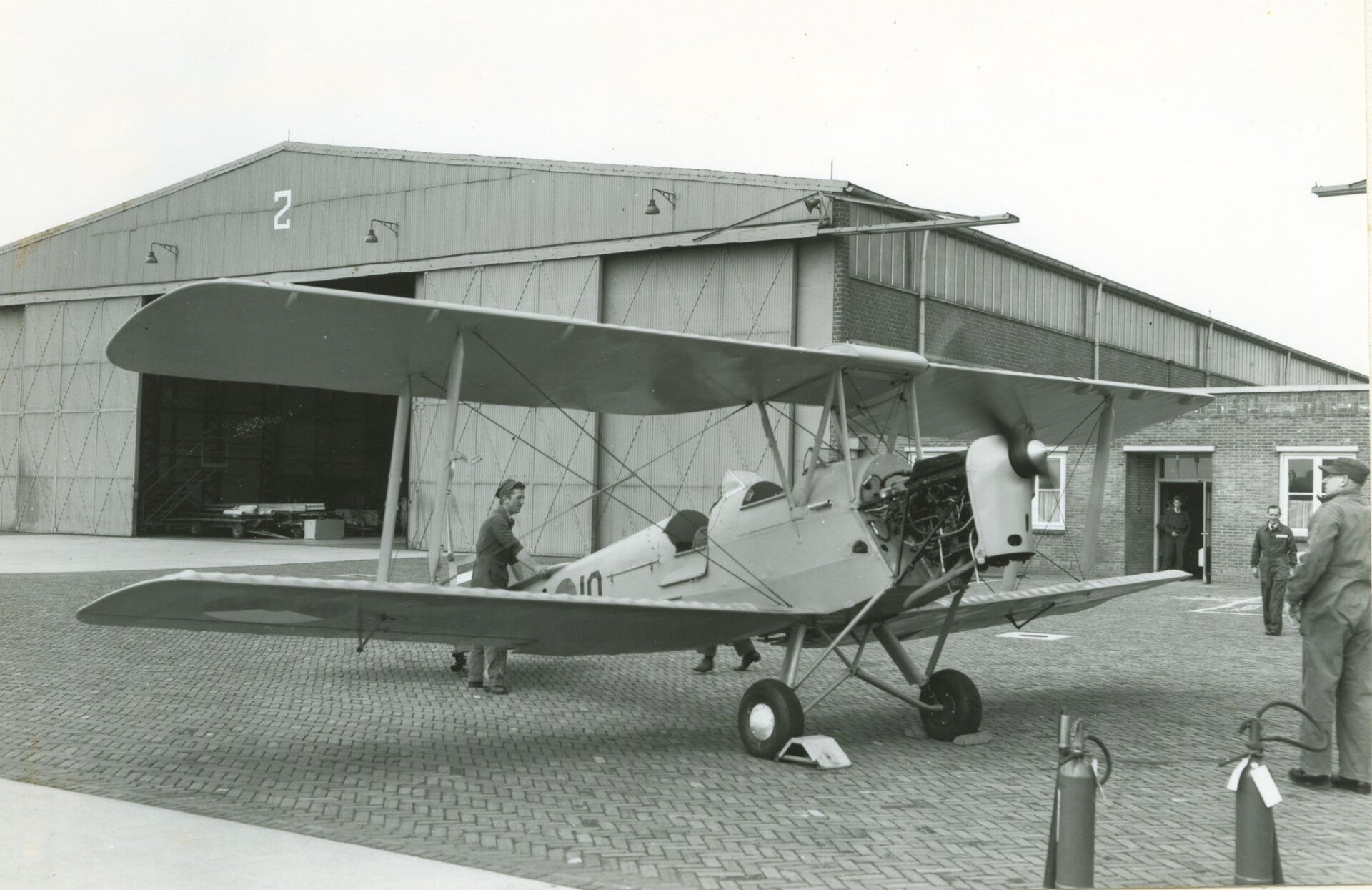
Crew preparing for a training sortie and a Tiger Moth engine run in front of its hangar at Woensdrecht airbase.
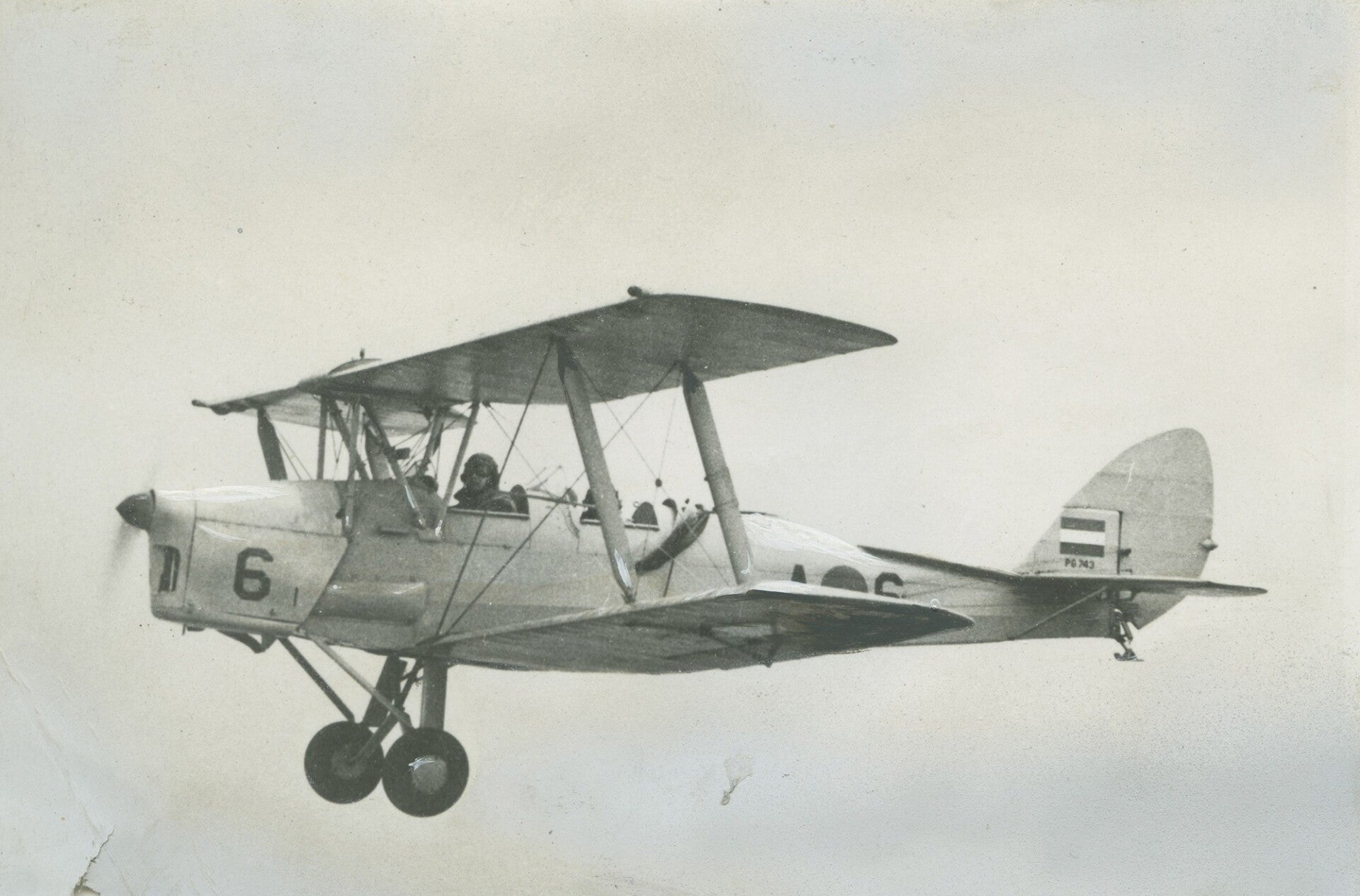
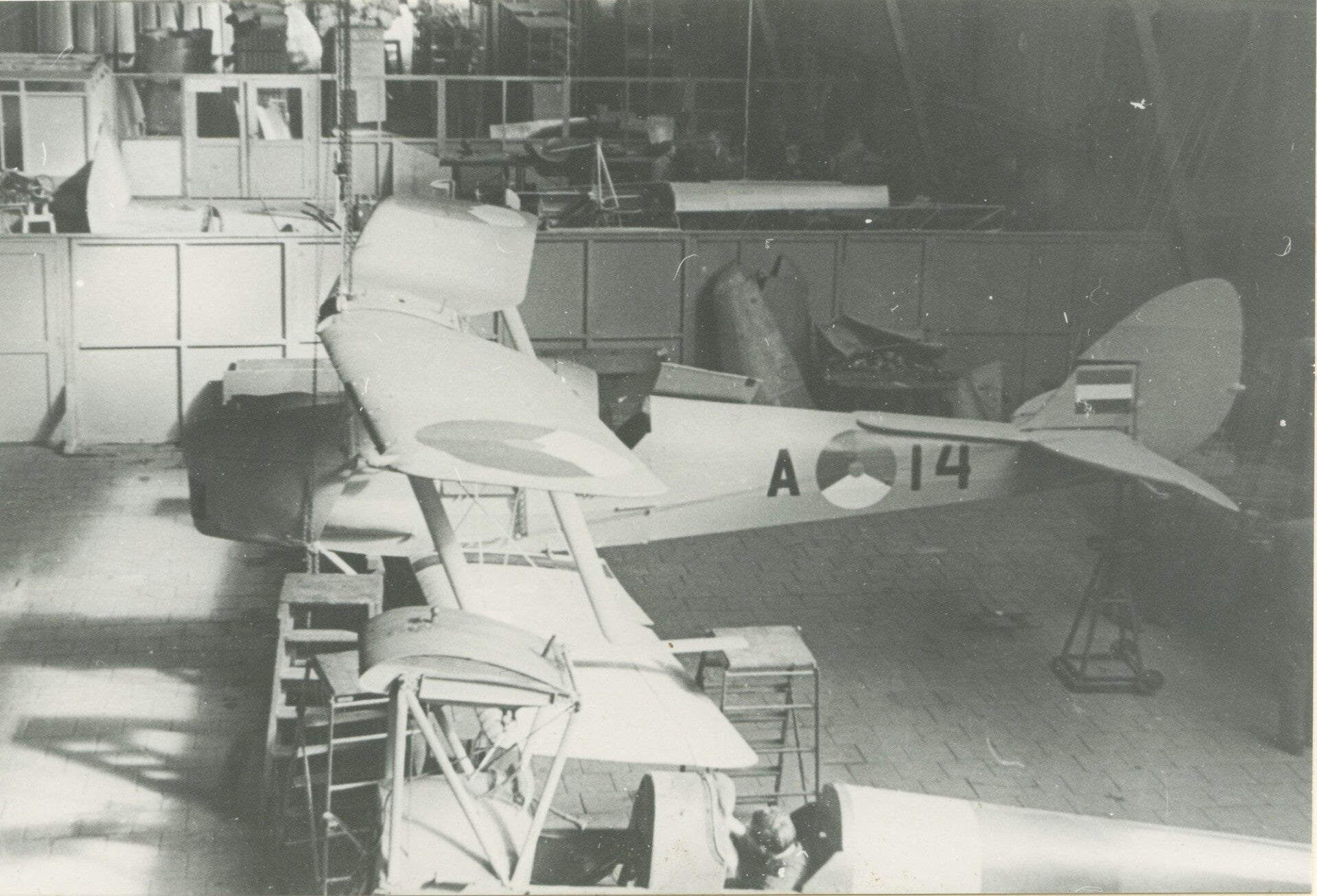
Tiger Motbh in flight and a Tiger Moth during base maintenance in its hangar at Woensdrecht airbase.

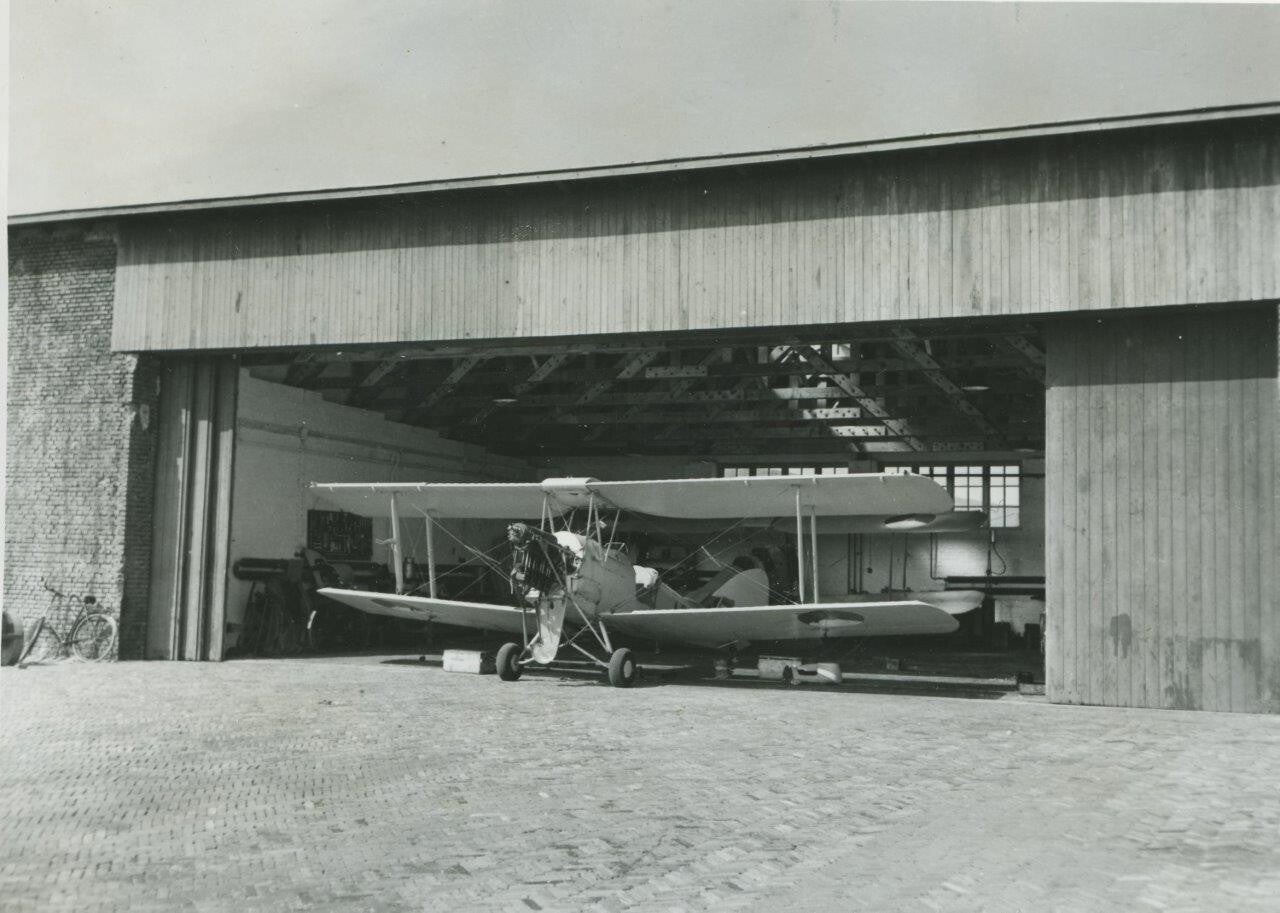
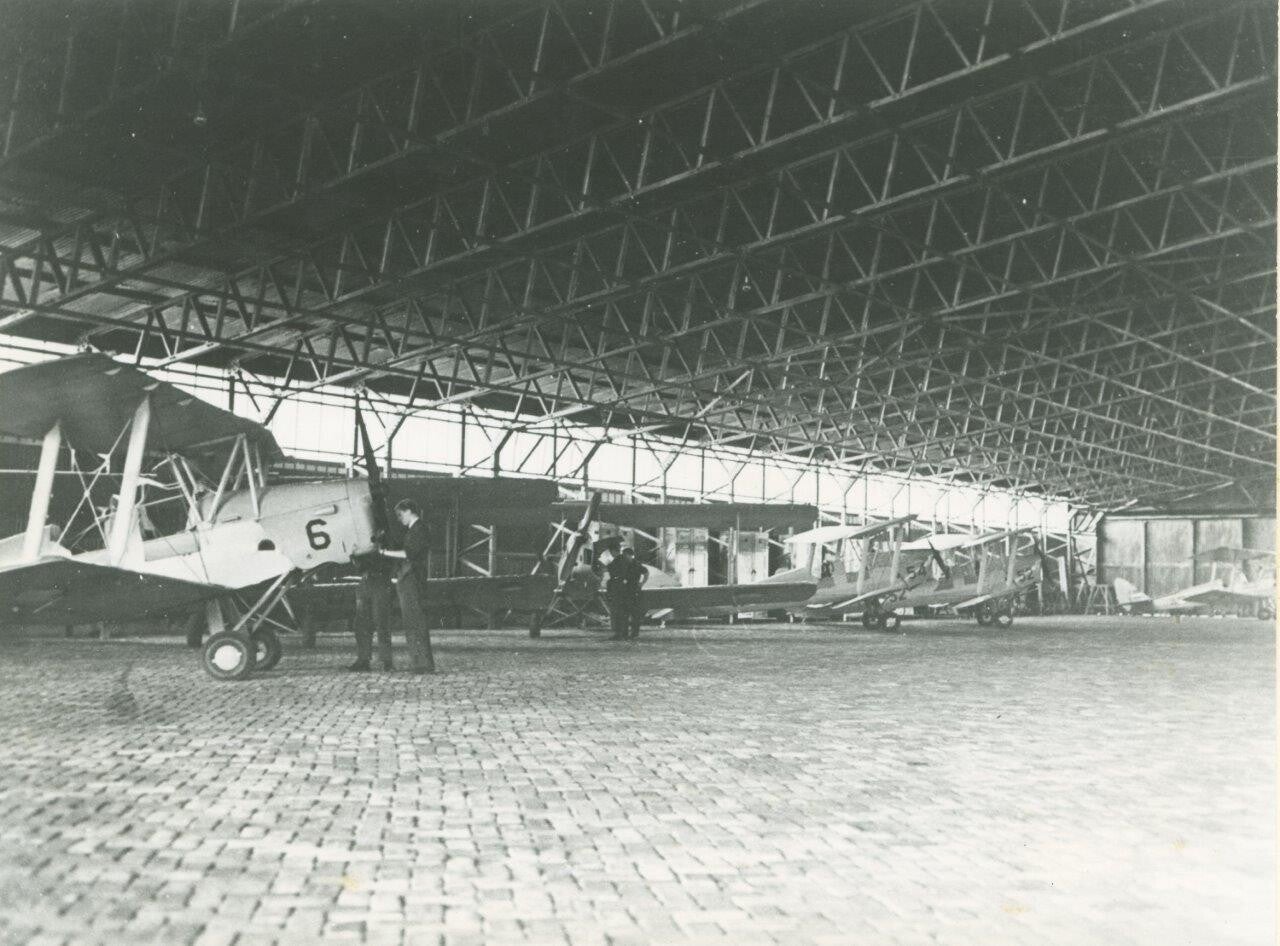

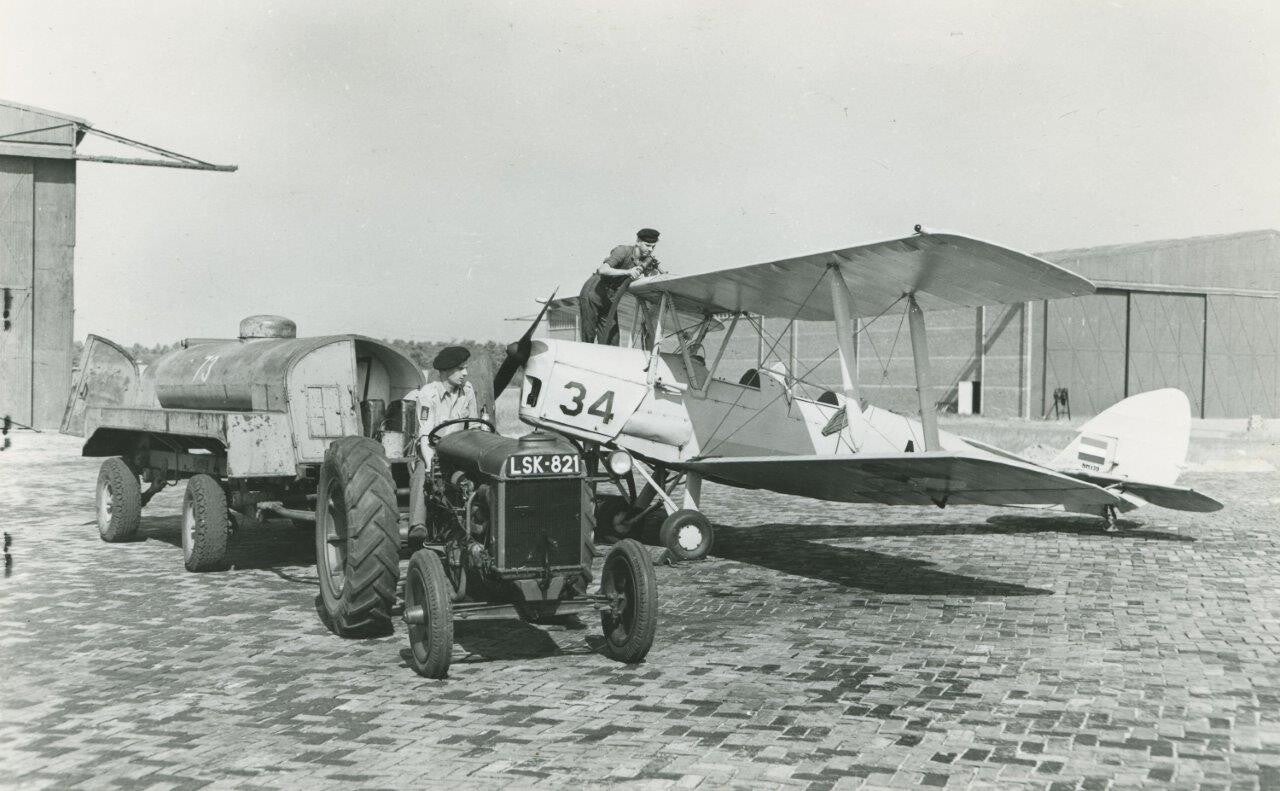

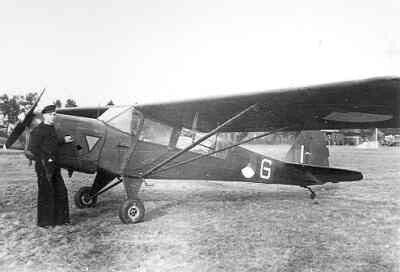
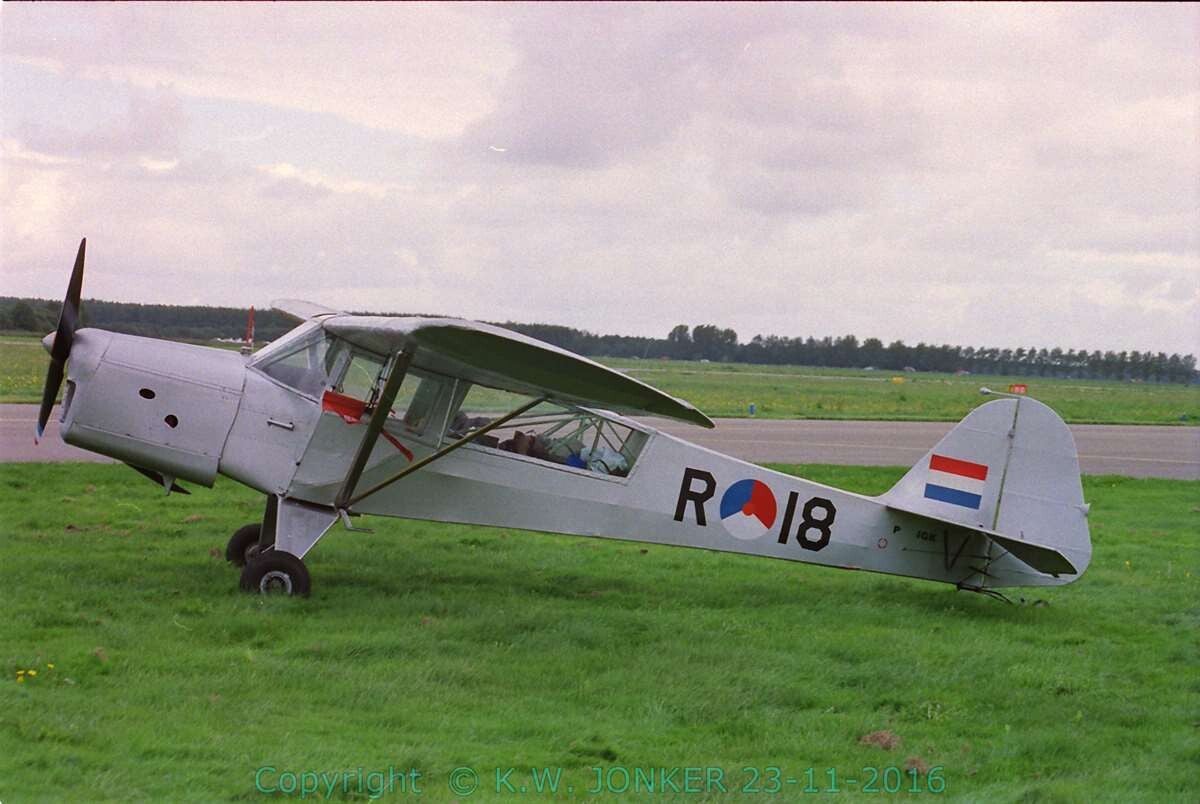
For a short period (June-August 1946) Woensdrecht also operated Auster aircraft for the Artillery and Observation training of artillery crews which were sent to the Dutch East Indies.
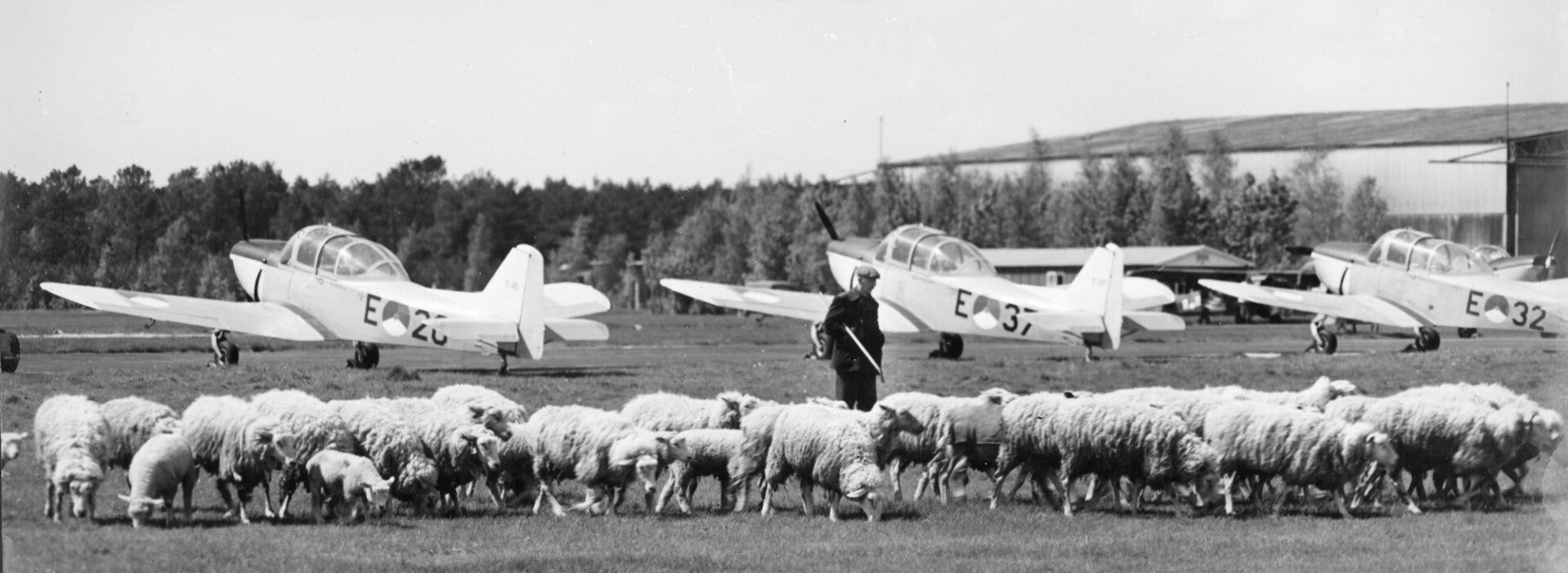
Fokker S.11's amid sheeps which were used to keep the grass 'runways' short.
During 1950 the Tiger Moths were slowly replaced by new Fokker S.11 aircraft. Eventually 39 S.11’s were bought and based on Woensdrecht as the new EVO training aircraft. The Tiger Moths were dispersed over several Dutch airbases – on Woensdrecht some were still used as glider towing aircraft.
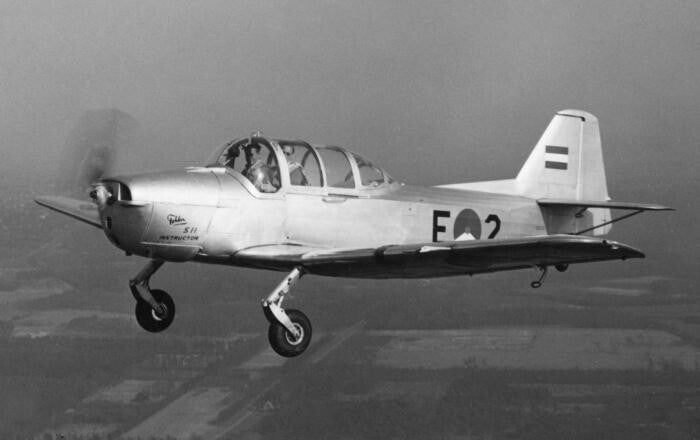
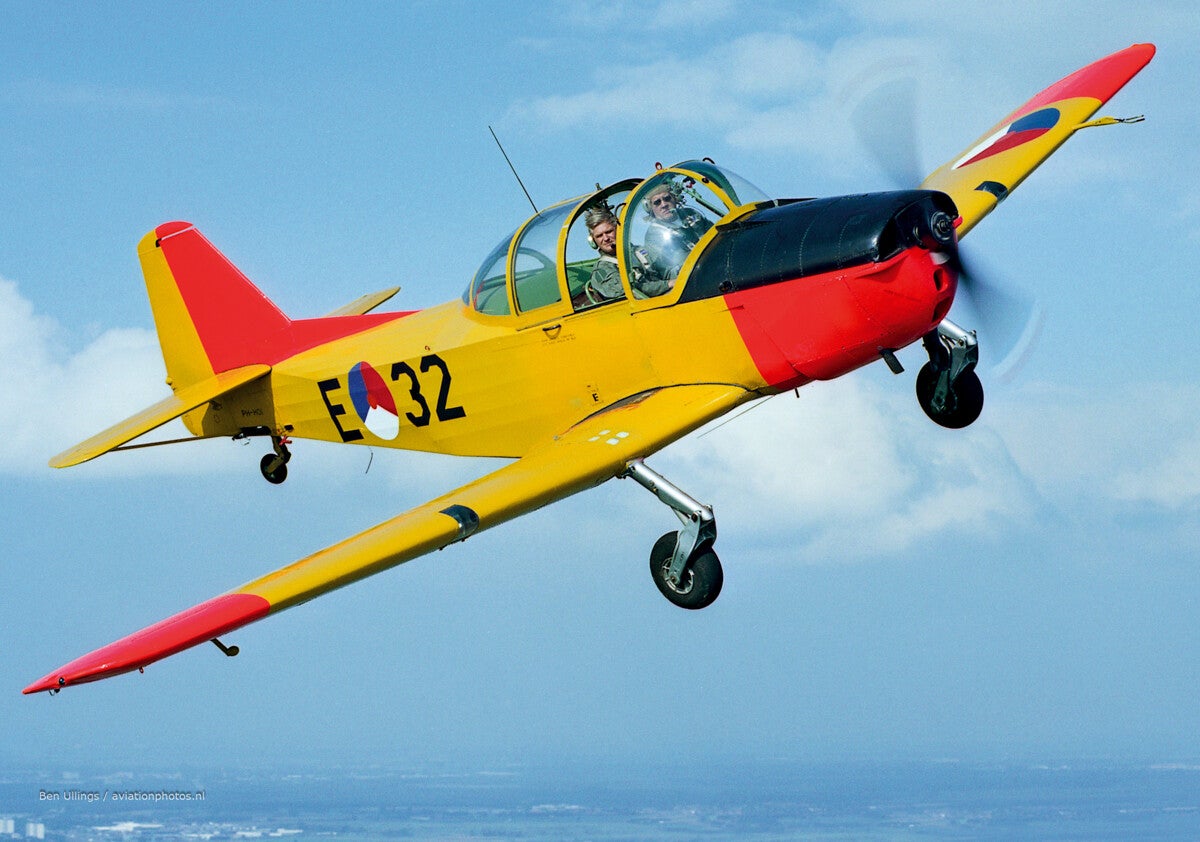
Fokker S.11 in the intial metallic livery to the left and the later yellow training livvery.
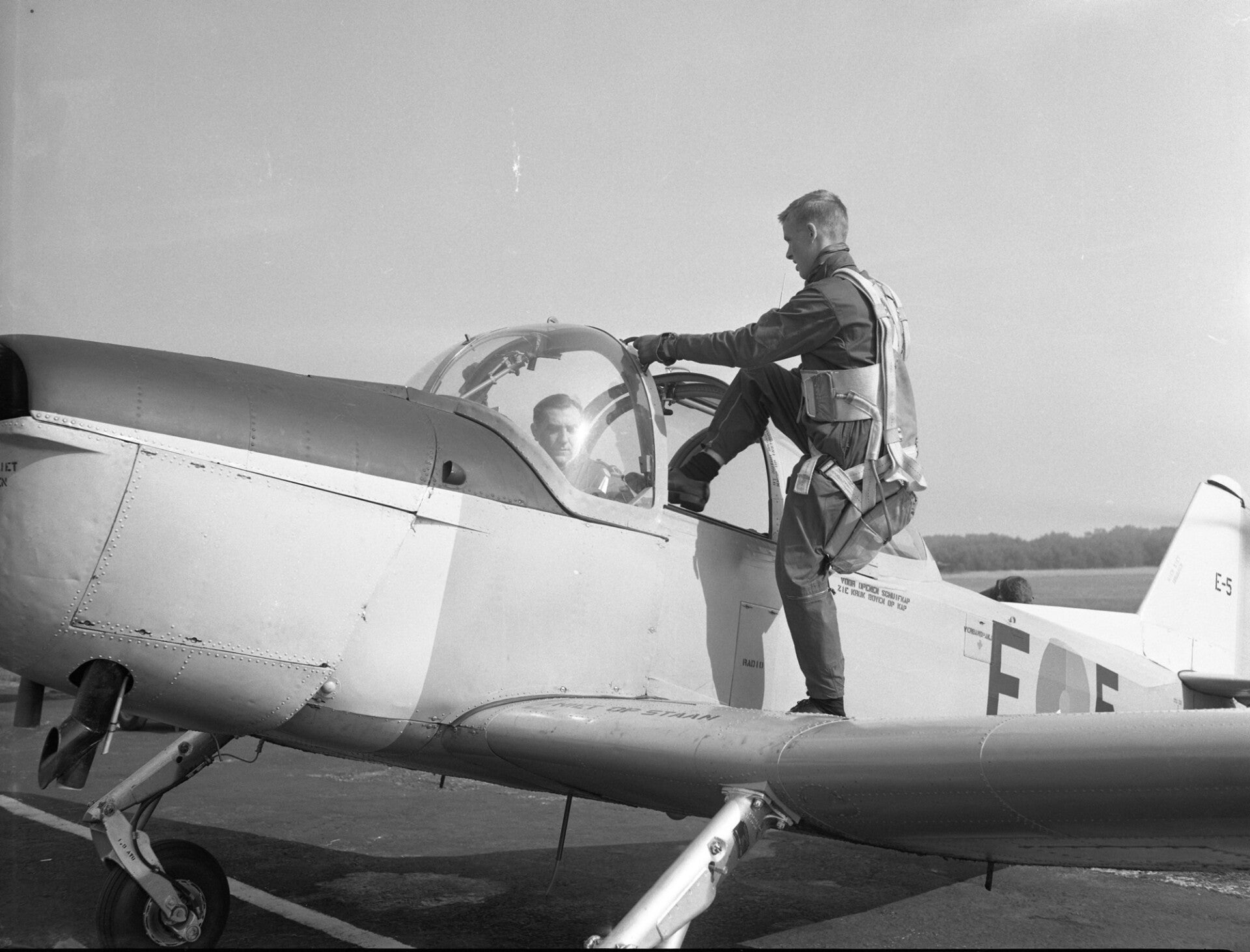
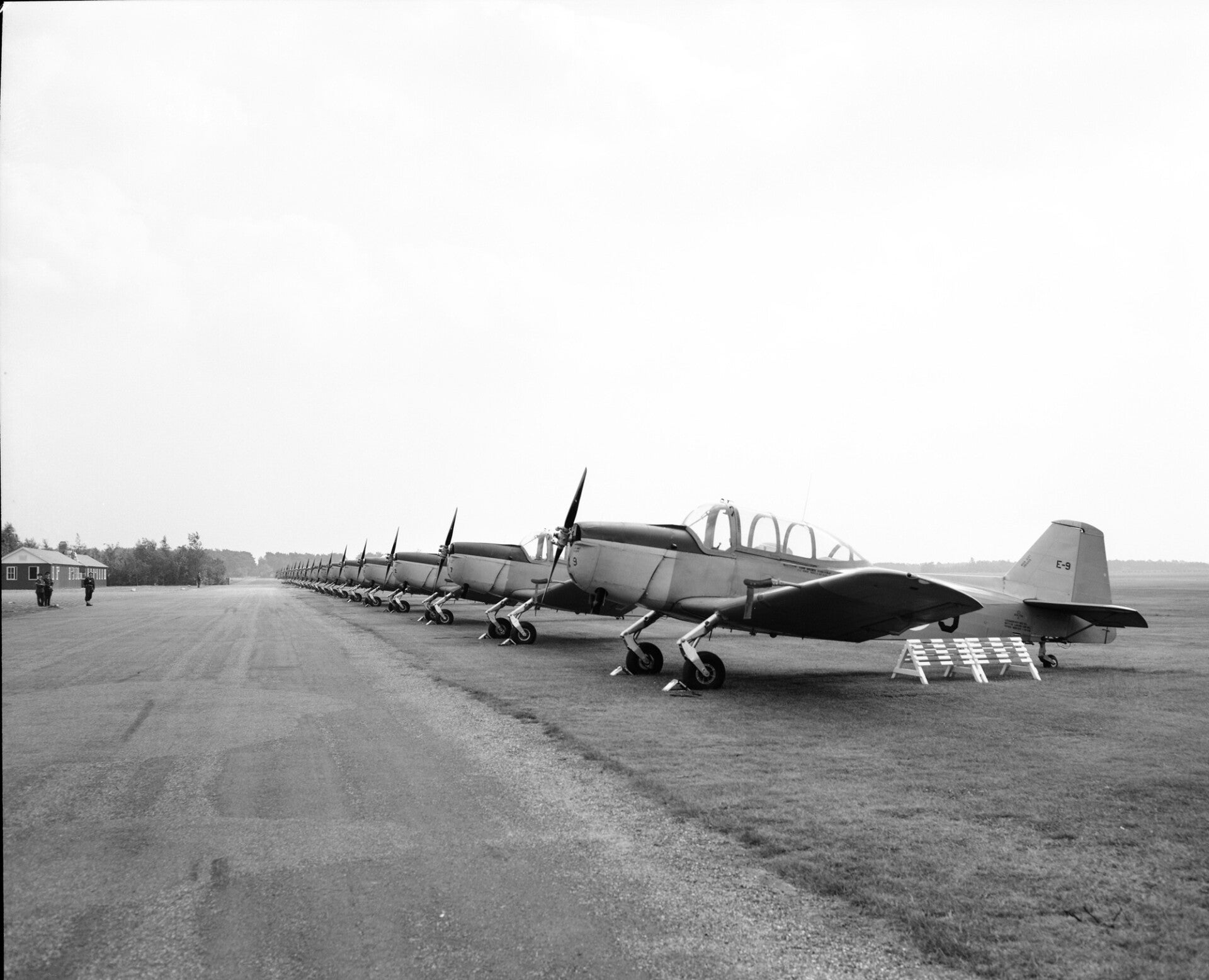
A flight crew preparing for take off and the S.11 flightlines at Woensdrecht airbase.
The EVO unit was transferred to Gilze-Rijen airbase in 1956. Woensdrecht was being rebuild – until 1956 the old (ww2) grass strip was still being used. This was going to be replaced by a tarmac runway, which would make it possible for Woensdrecht to operate the new Meteor jet aircraft in the near future.
Immediately after the new runway was finished 24 Gloster Meteors (single- and T.Mk7 dual seaters) of the ‘Jachtvliegschool’ (JVS – Fighter Training School, later on JVO) which was previously based at Twenthe airbase, were flown into Woensdrecht. Closely followed by the (26) Gloster Meteor Mk8’s of 326sq ‘Popsy’ which were also previously based at Twenthe airbase. 326sq was based at the new Northern Woensdrecht airbase facility and used for main air defense purposes. During 1956 a total of 50 Gloster Meteors operated out of Woensdrecht airbase.
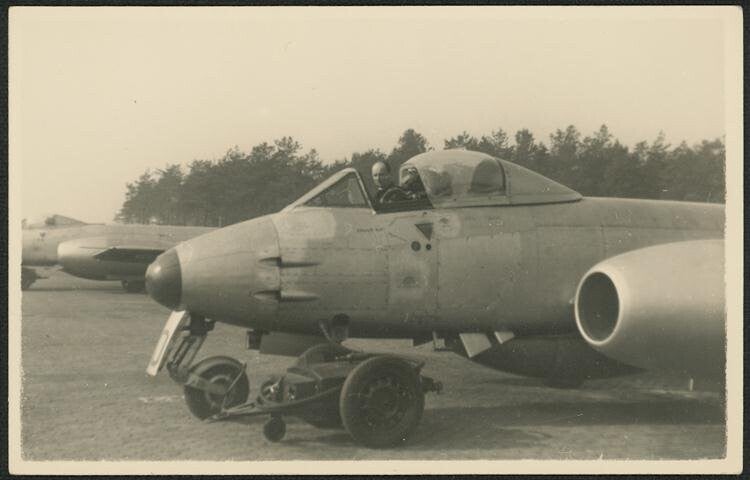
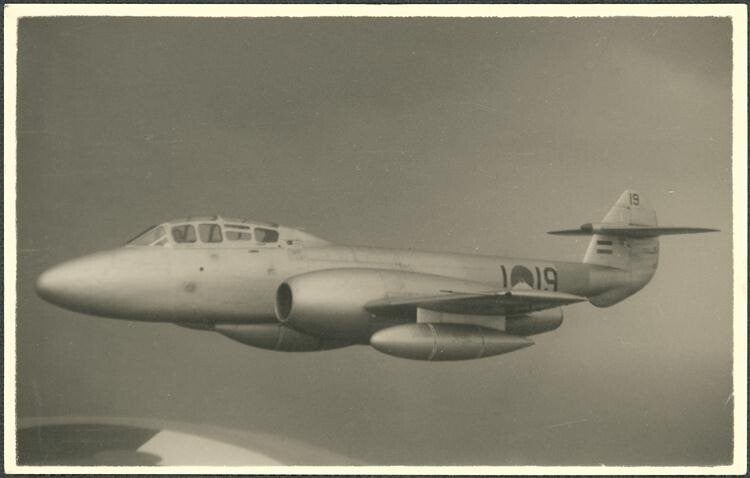
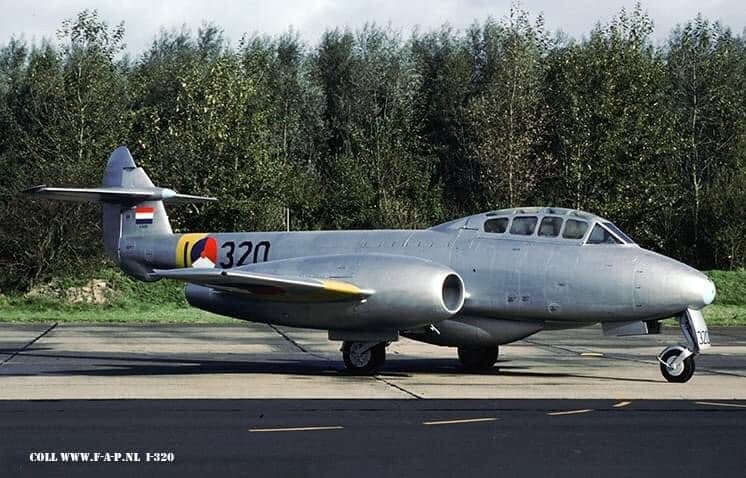
To the left a Gloster Meteor of 326sq, next to it Gloster Meteor T Mk.7 training aircraft of the JVO.
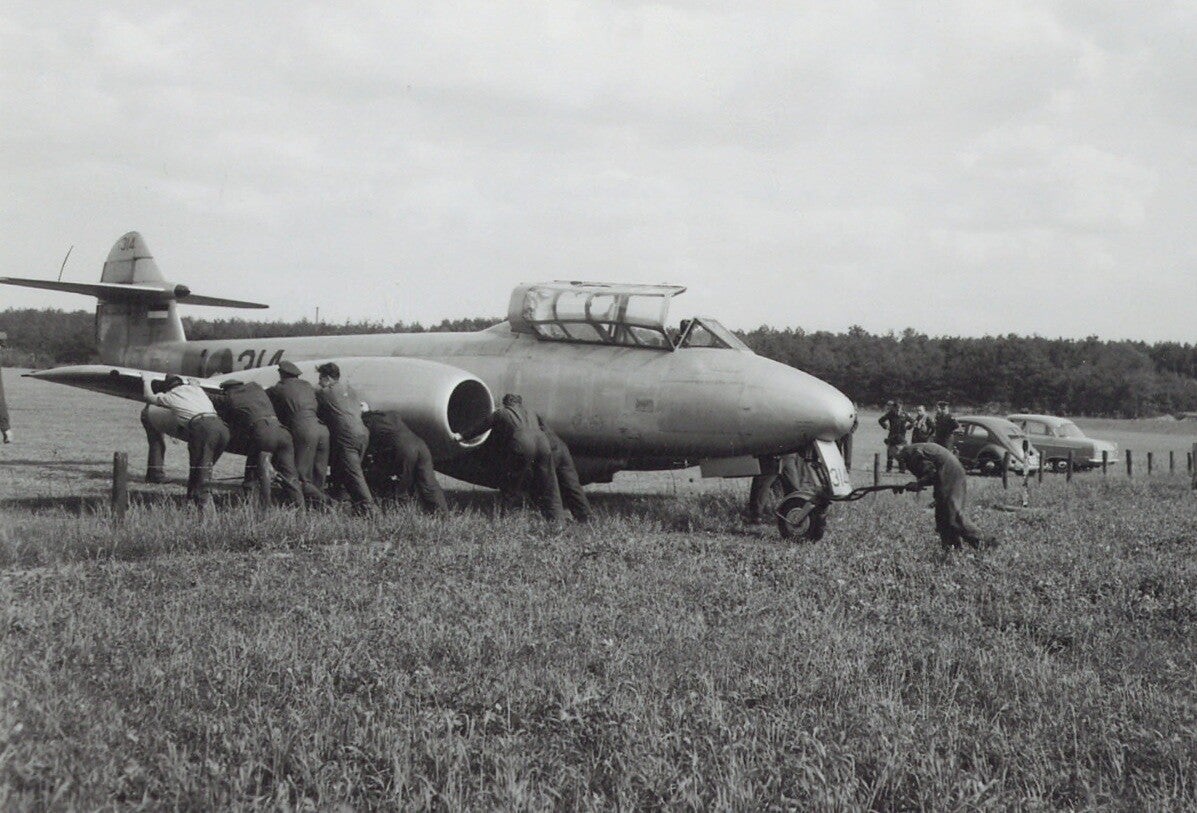
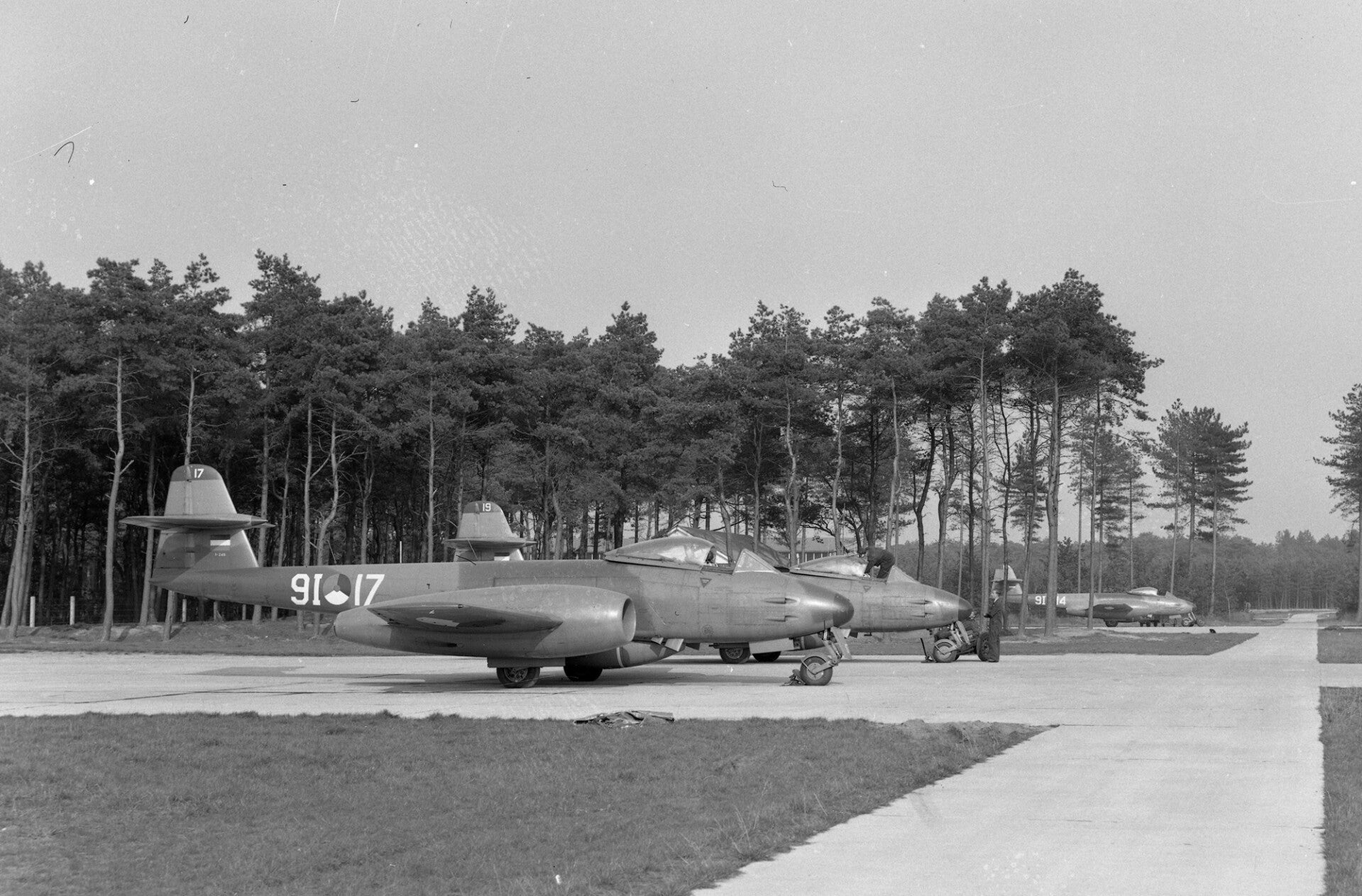
A dual seat Gloster Meteor T which ran off the runway and the 326sq Gloster Meteors flightlines.
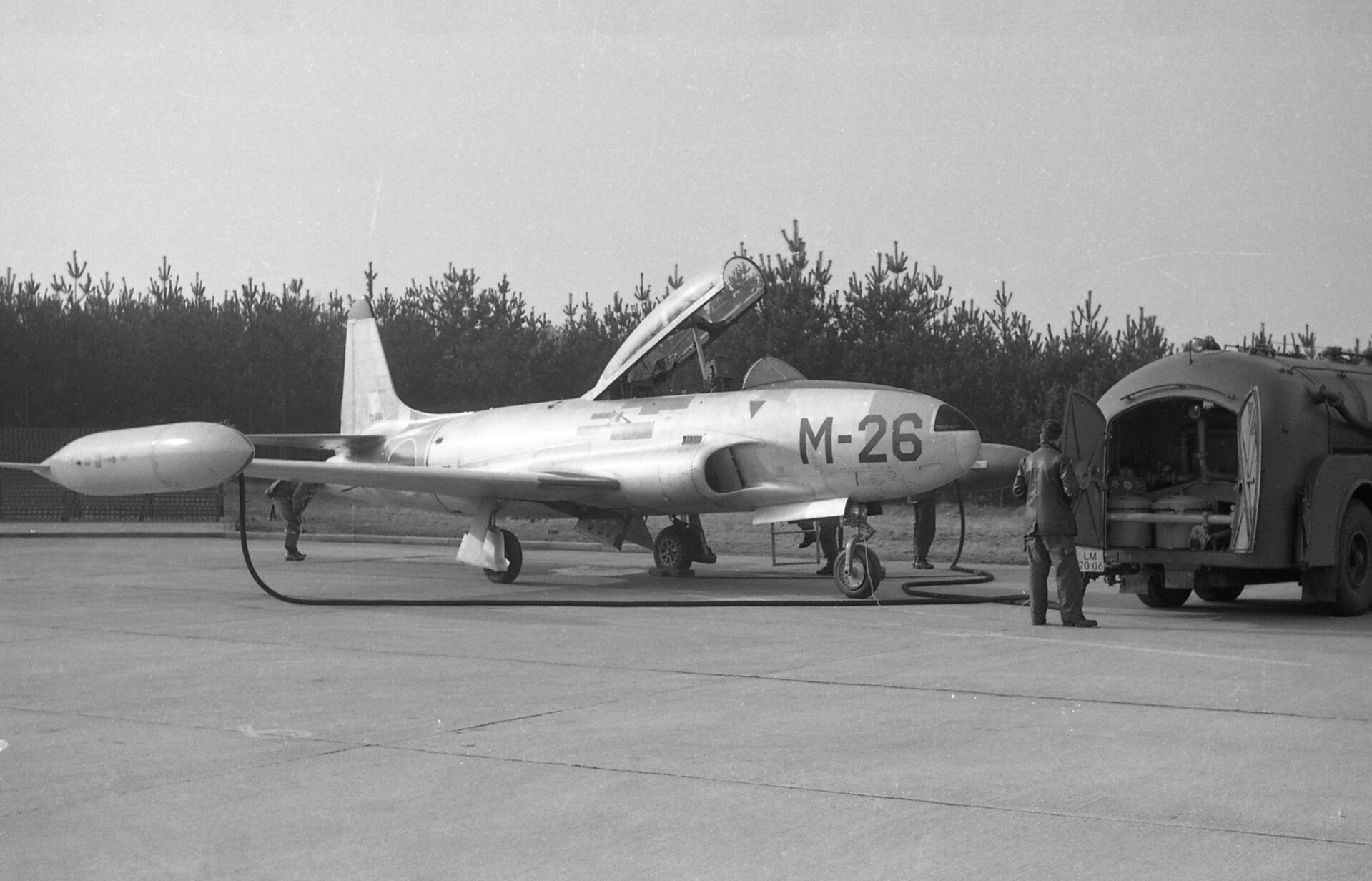
326sq transferred to the Hawker Hunter in 1957 and reached operational status in 1958 - operating for a short time, until 1960, the Hunter out of Woensdrecht airbase until it was relocated again to Soesterberg airbase.
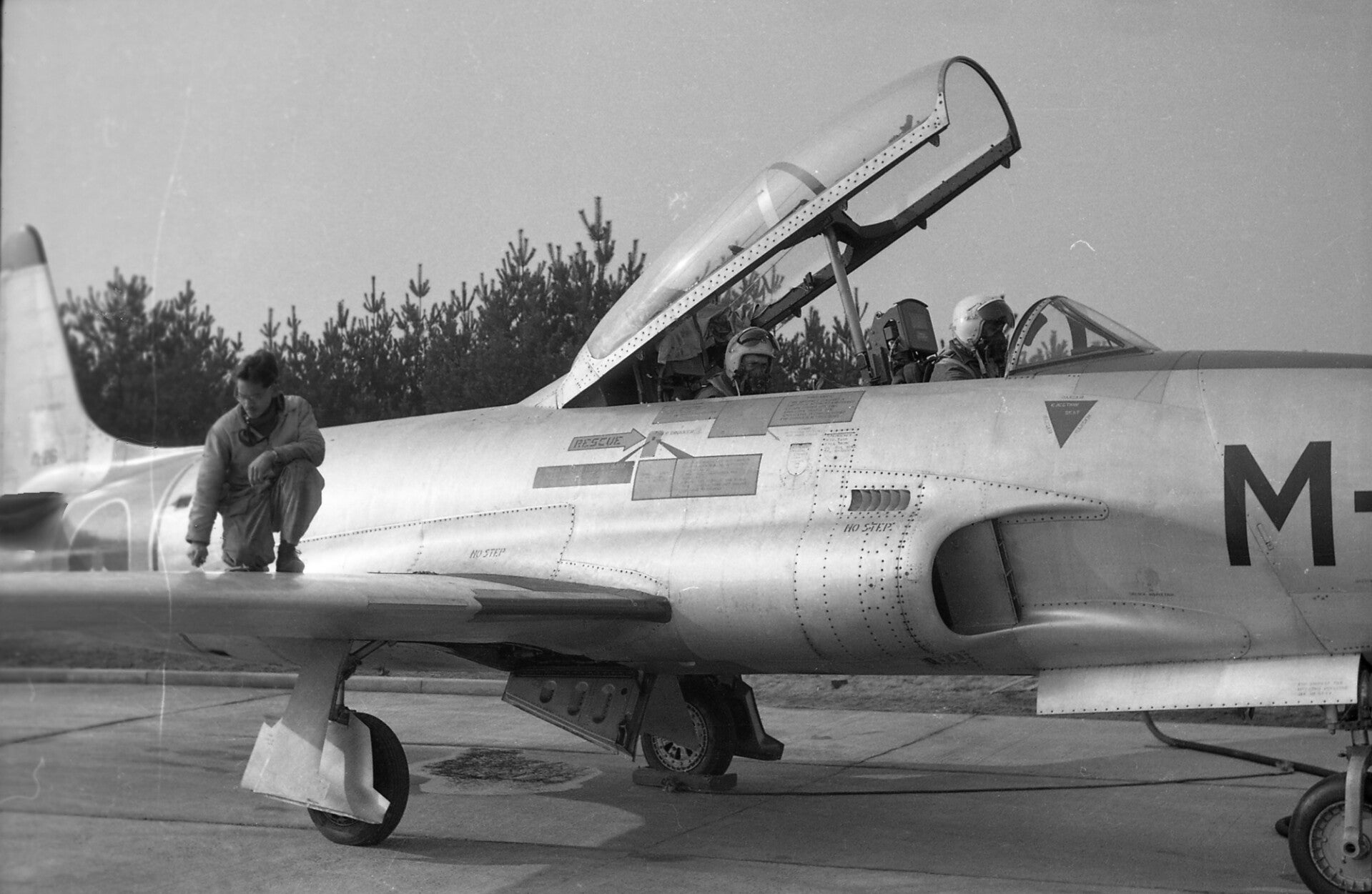
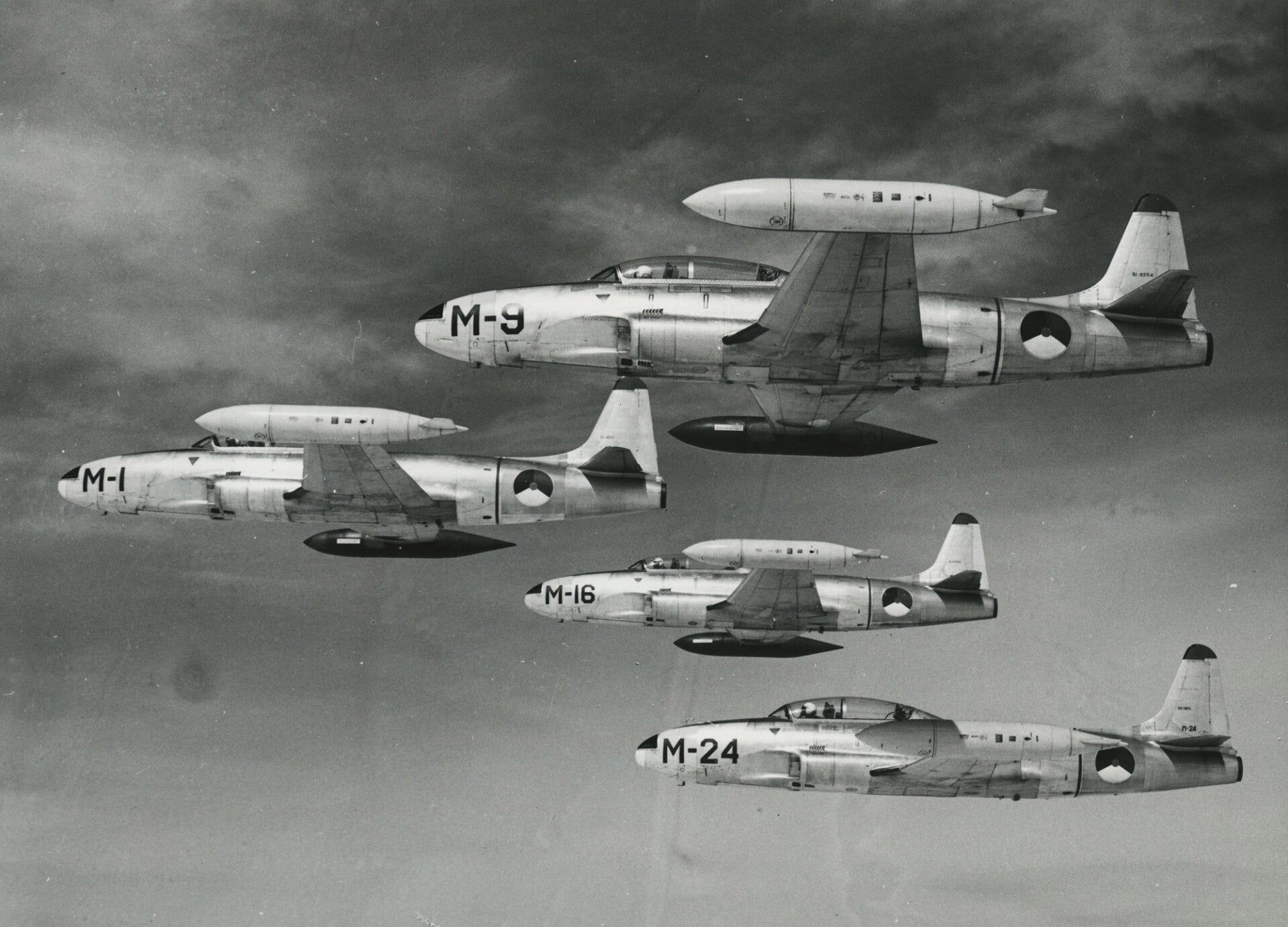
The JVO operated the Gloster Meteors until 1960 until these were gradually discarded. Reorganization of the Dutch Air Force resulted in the transfer of the JVS II, which was located at Volkel airbase, with its T-33’s to Woensdrecht starting from 1958 onward. This unit would be reorganized and molded into the new JVO.
These years the Dutch Air Force combined its aircraft training intensively with the Belgian Air force. For this reason the Gilze-Rijen based EVO, flying the Fokker S.11’s, was re-transferred back again to Woensdrecht airbase.
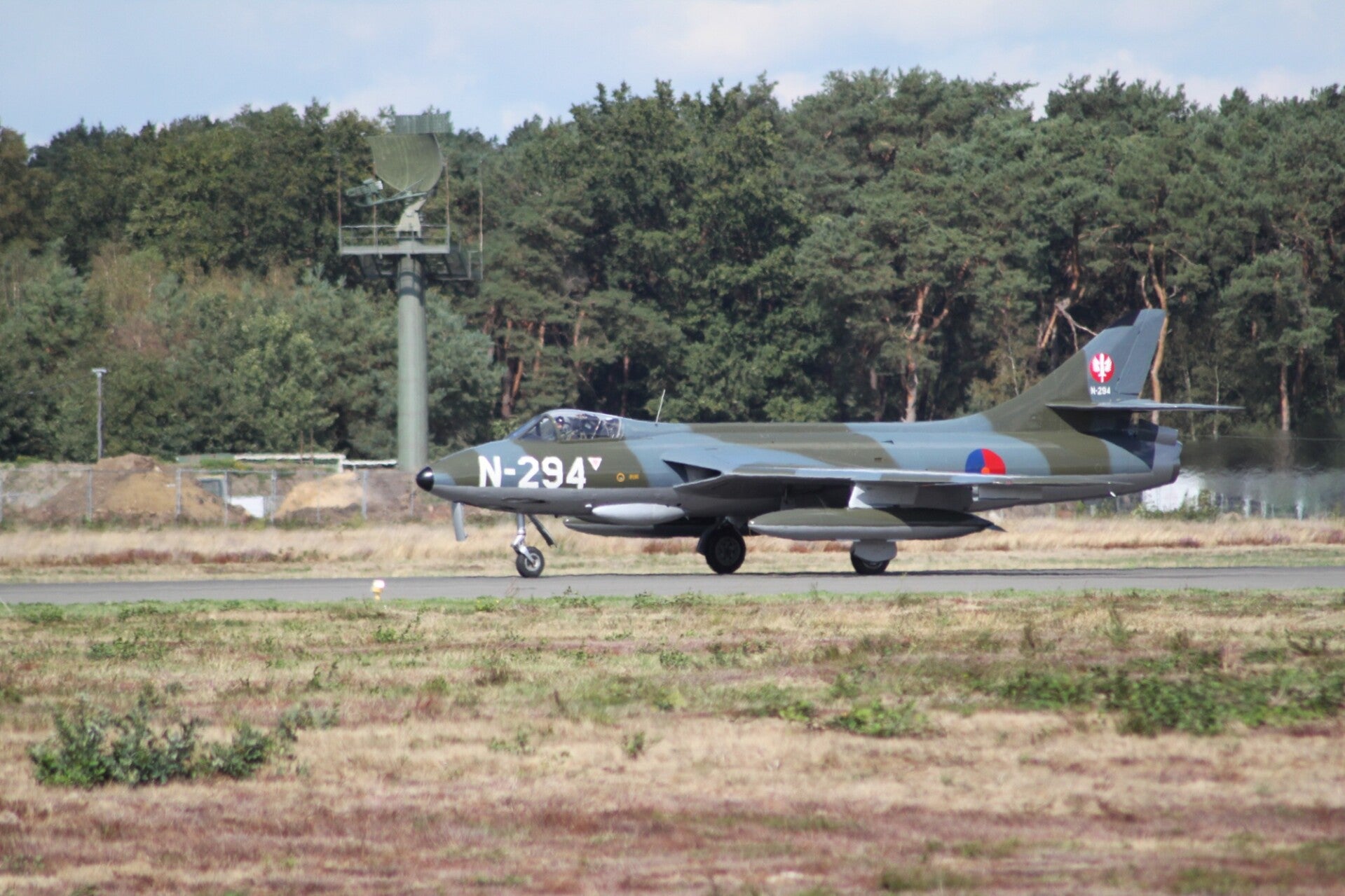
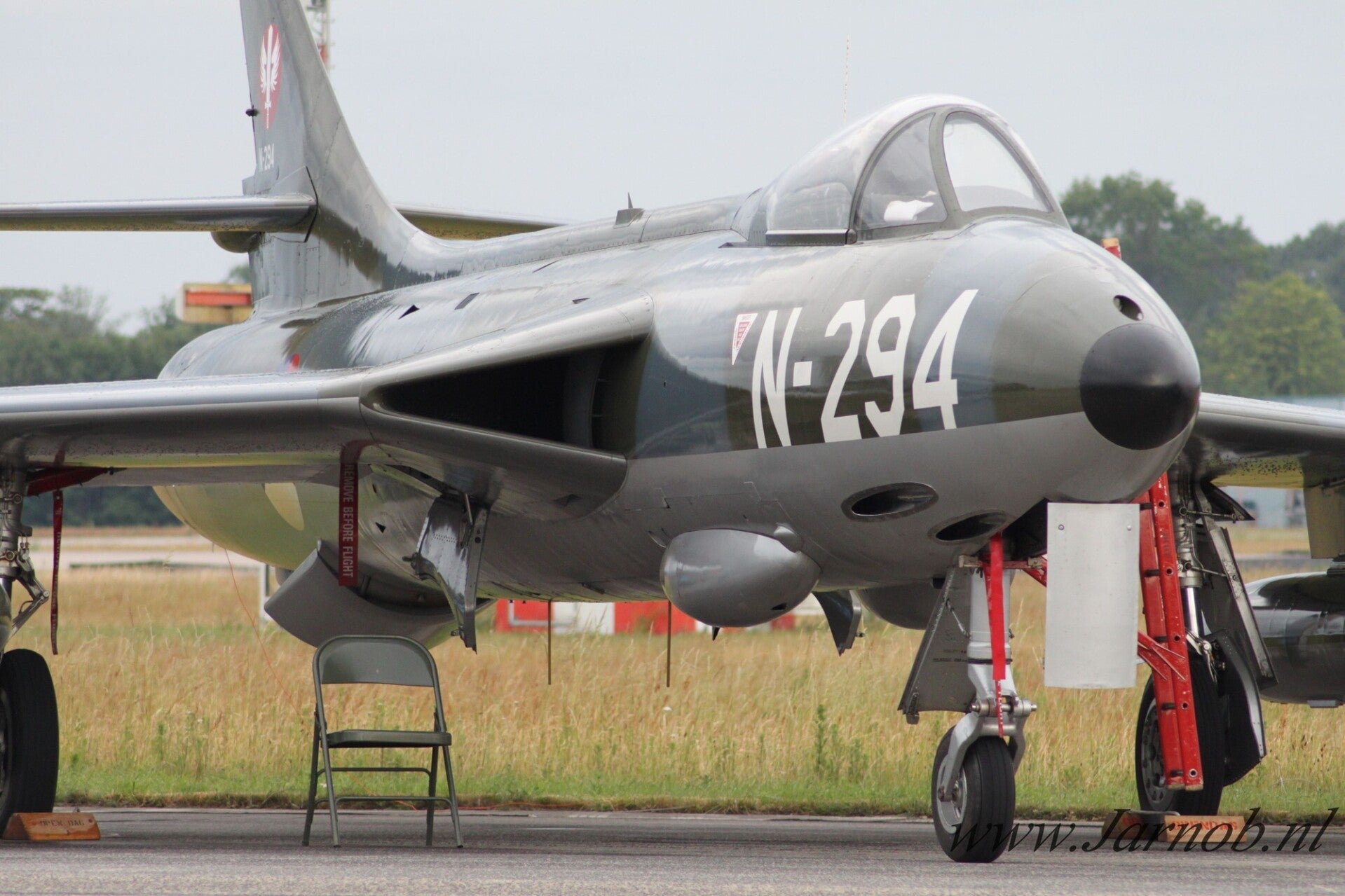
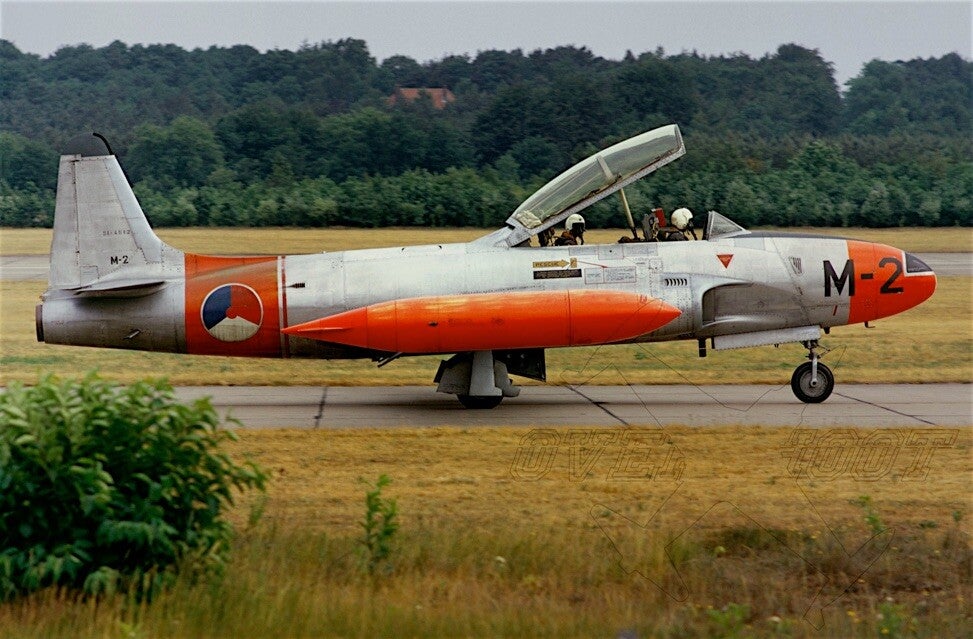
in the 20th century the DHHS flew a Hunter F6A in the original colors and markings of 326 squadron.
To the right a T-33 'T-bird' training aircraft of the JVO.
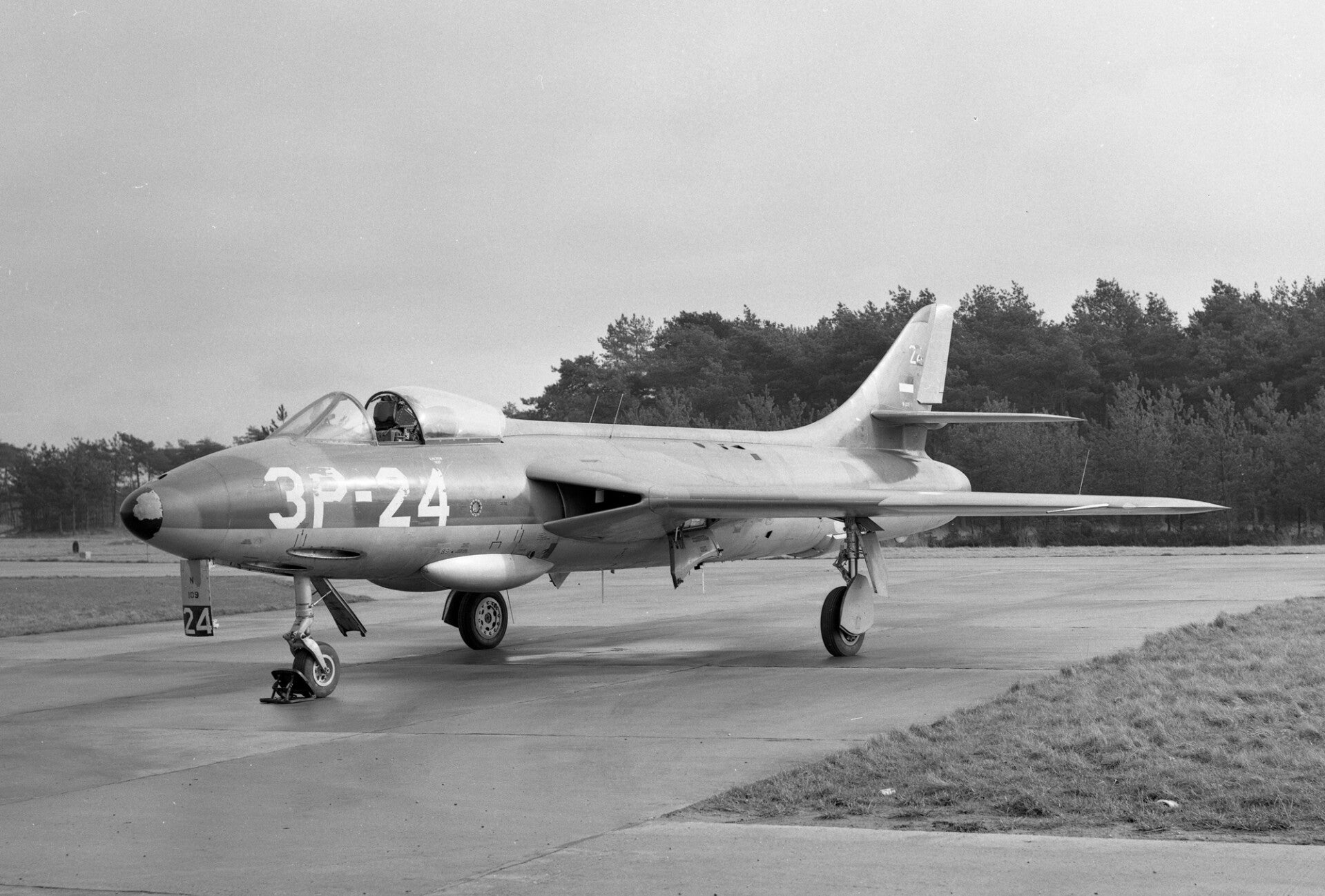
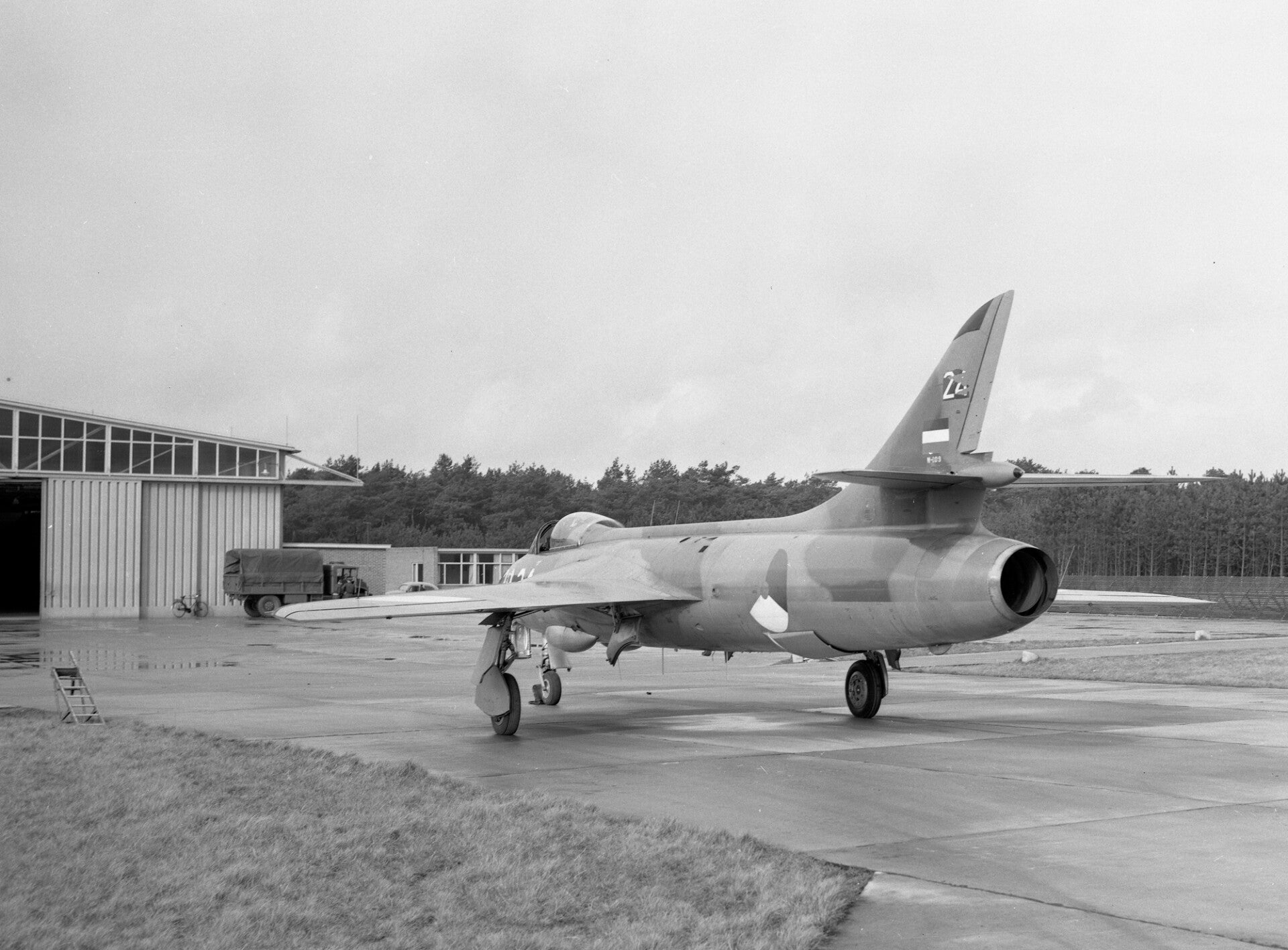
Hawker Hunter F6A of 326sq in front of Hangar 119 still in use by 131sq EMVO area North.
Whiskey Four
In the 1958 period (inter-)national demo team contests were very common. The Dutch Air Force itself had 8 (!) such demo teams. Woensdrecht airbase had its first ‘JVO’ demo team flying Gloster Meteors by the JVO callsign ‘Whiskey’ since 1956.
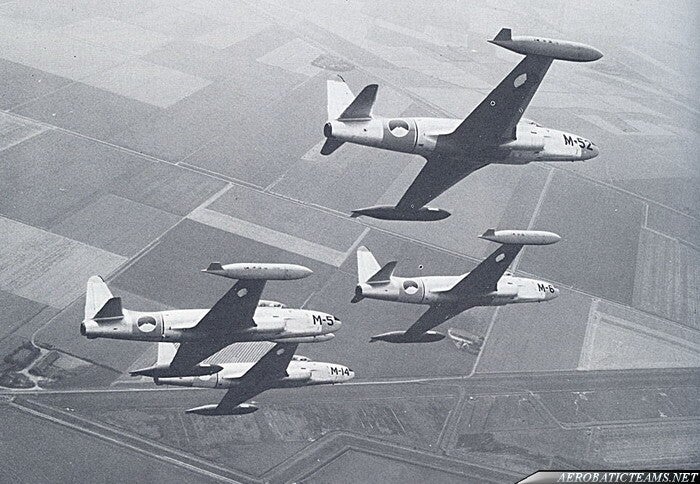
Eventually the Meteors were replaced by the T-33’s and the demo team became officially known as ‘Whiskey Four’. This demo team was very active in Europe from 1958 until a fatal accident in 1964 during a show at Woensdrecht airbase. In 1966 ‘Whiskey Four’ would perform during this single year demo flights with four T-33’s in a new green/ green livery before permanently being disbanded.
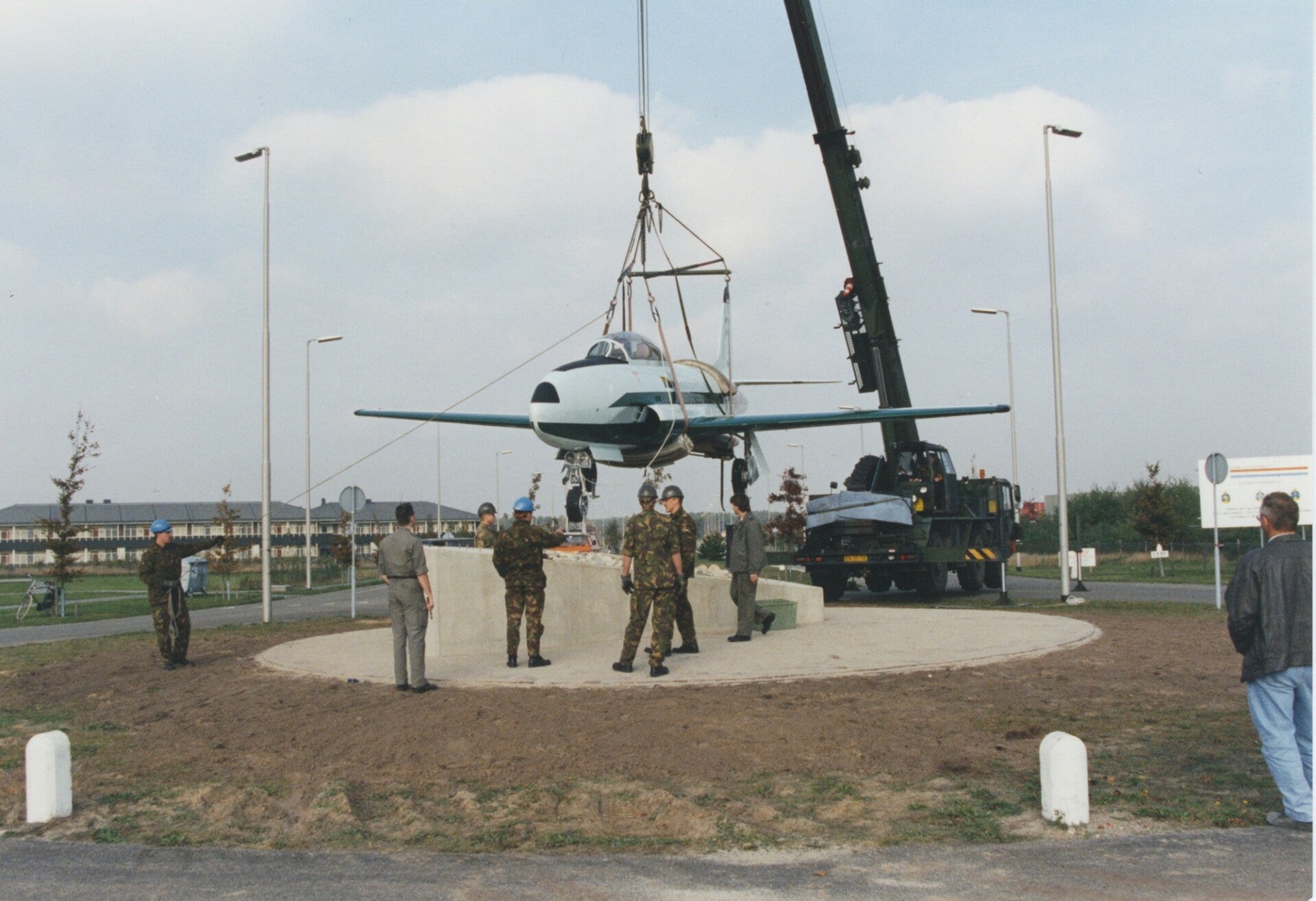
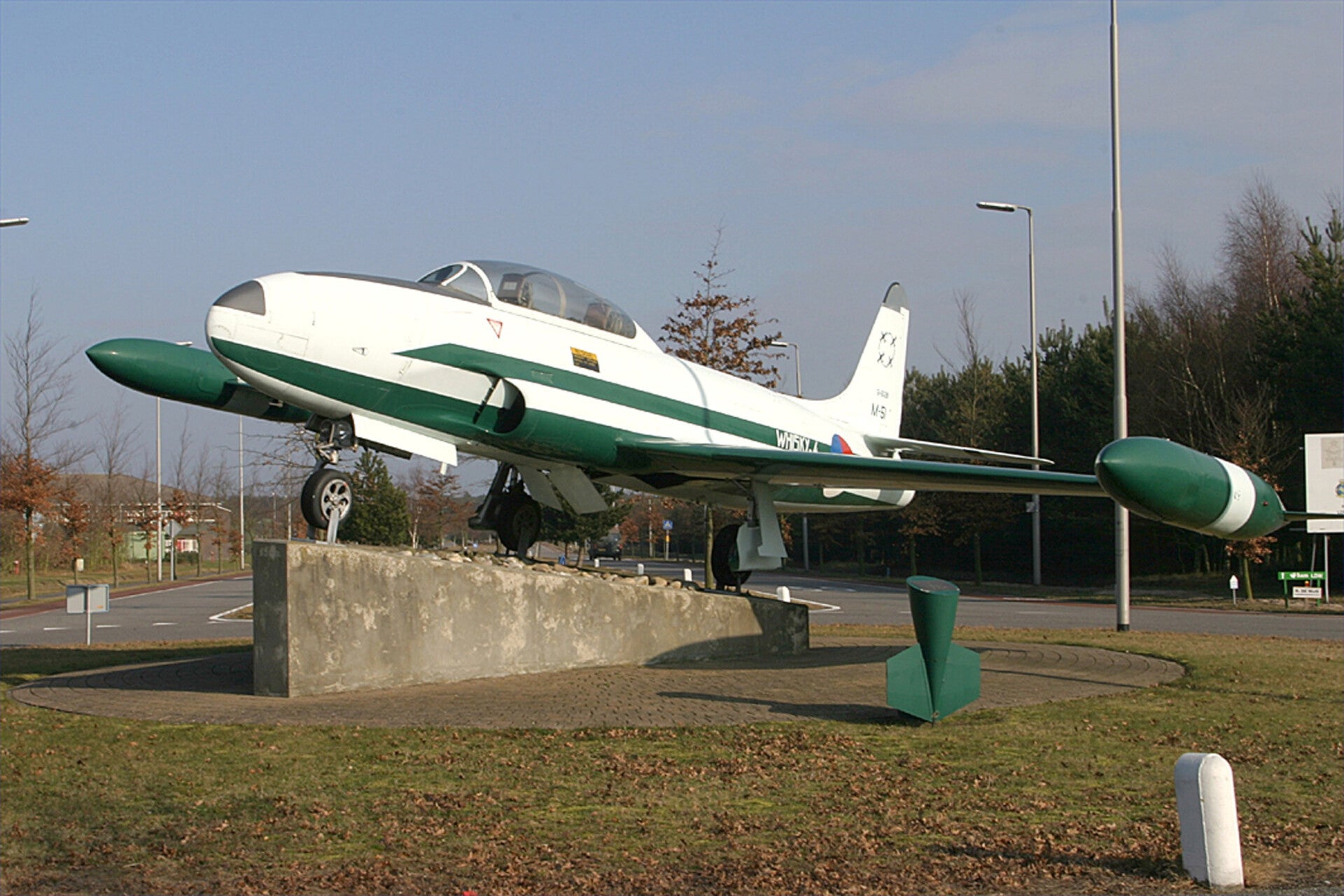
To the left the Whiskey Four T-33 in 1966 livery being installed in 1972 as gate guard of Woensdrecht airbase.
To the right the Whiskey Four flight in its original metallic (training) livery used during 1958 - 1964.
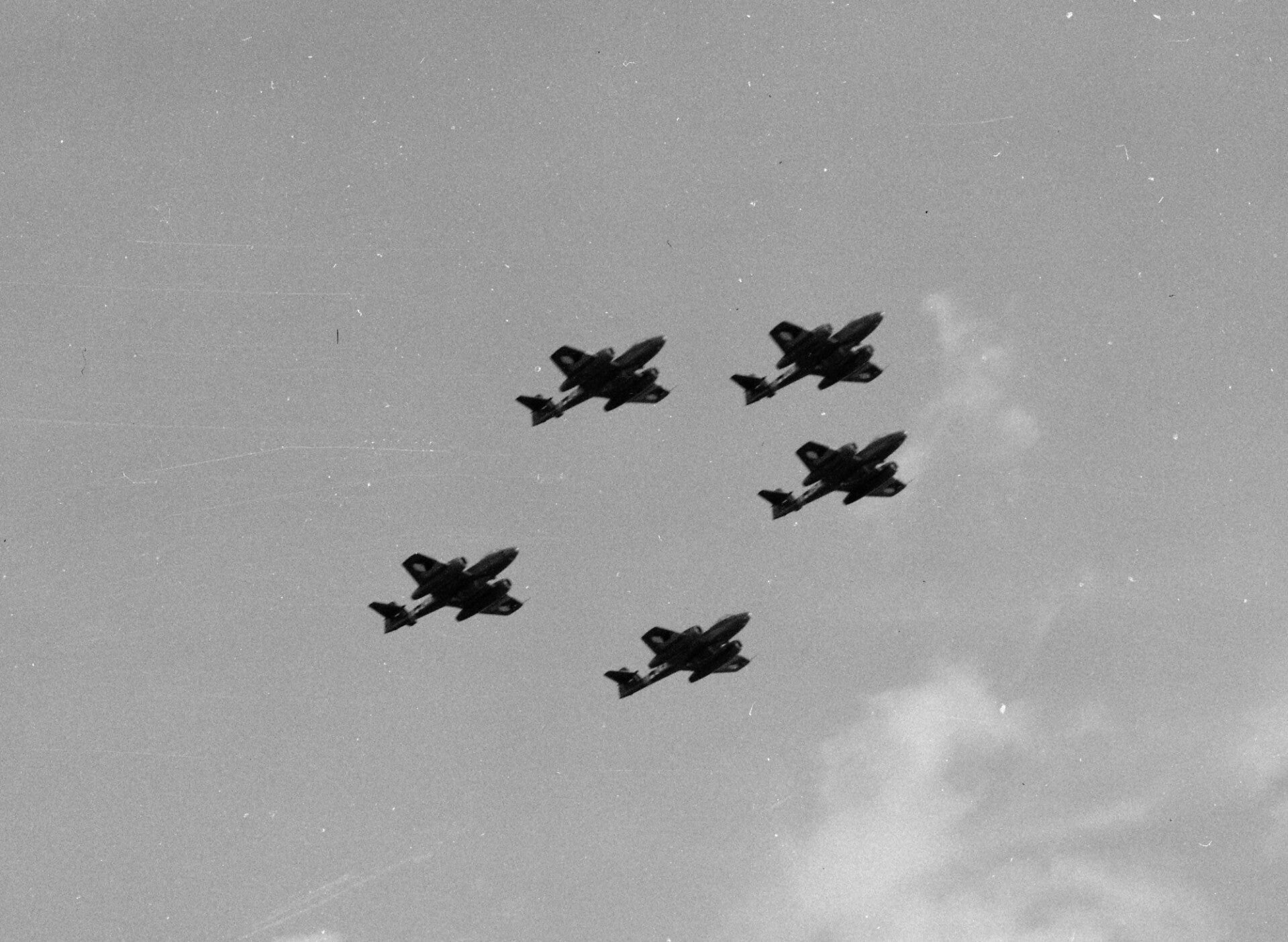
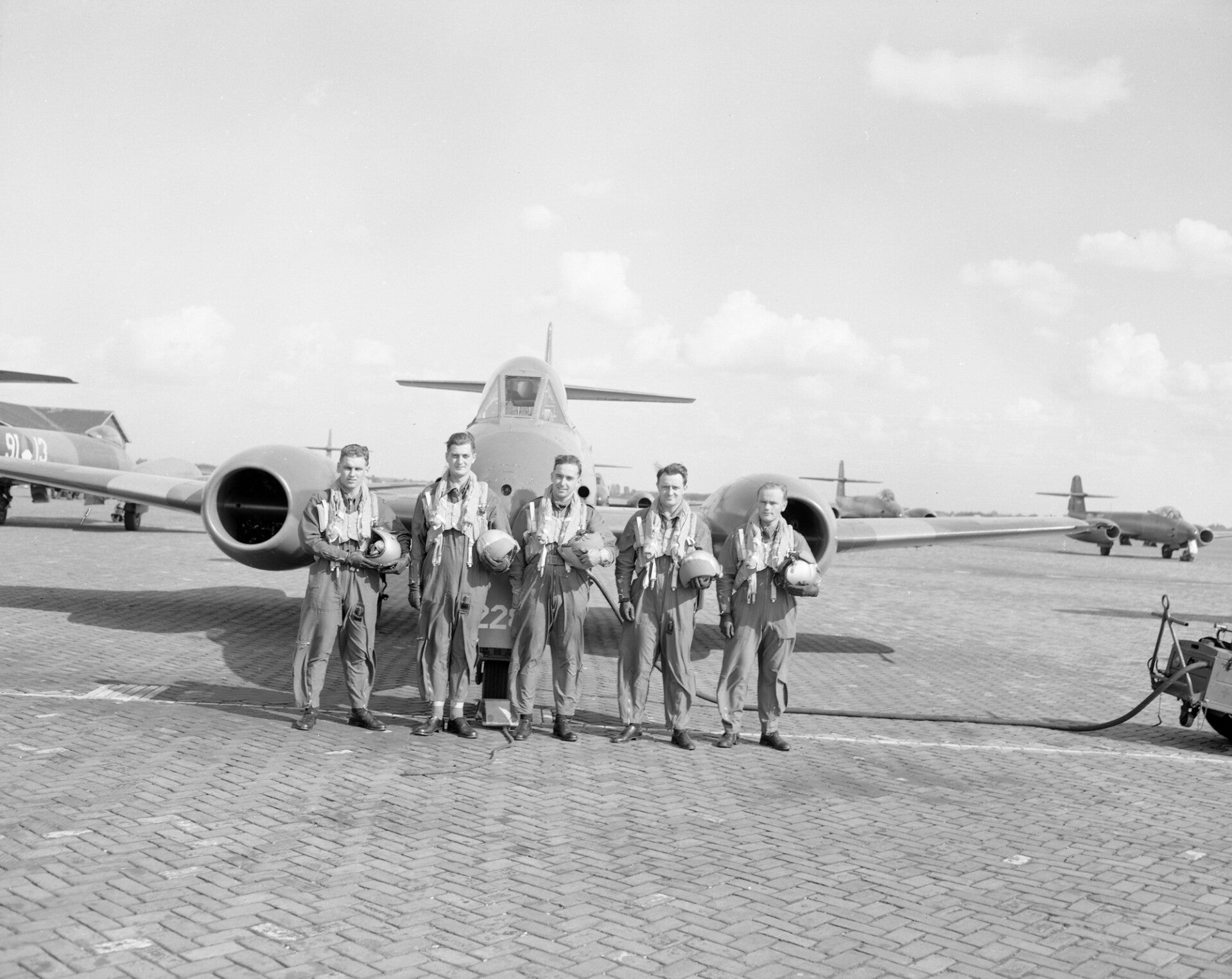
Very early 'Whiskey' demonstration team flying 5(!) Gloster Meteors, flown by JVO Instructor Pilots.
Due to new reorganizations, and the proquirement of F-104G Starfighers and NF-5A/B Freedom Fighters, the EVO Fokker S.11’s moved back to Gilze-Rijen and the T-33’s were transferred to Twenthe airbase. Woensdrecht became a ‘silent’ reserve airbase, but sill very actively used for all air force aircraft engine overhaul services.
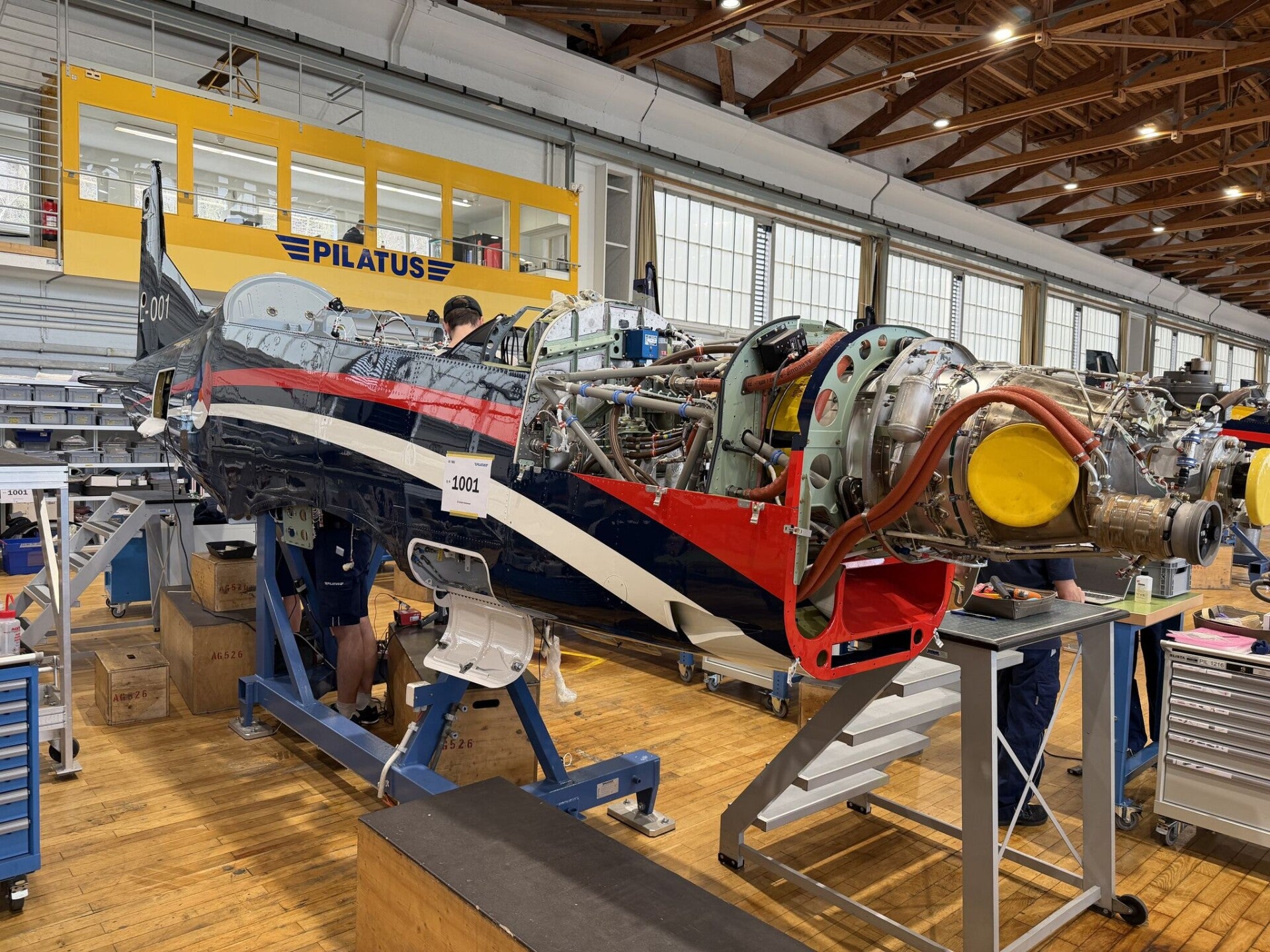
Since 1988 Woensdrecht airbase would once again become an active (training) Air Force base due to the arrival of 131sq EMVO with its PC-7’s. Still flying nowadays, more than 38 years later, the future of 131sq EMVO is guaranteed with the procurement of the PC-7 Mk.X to be delivered in the years to come.
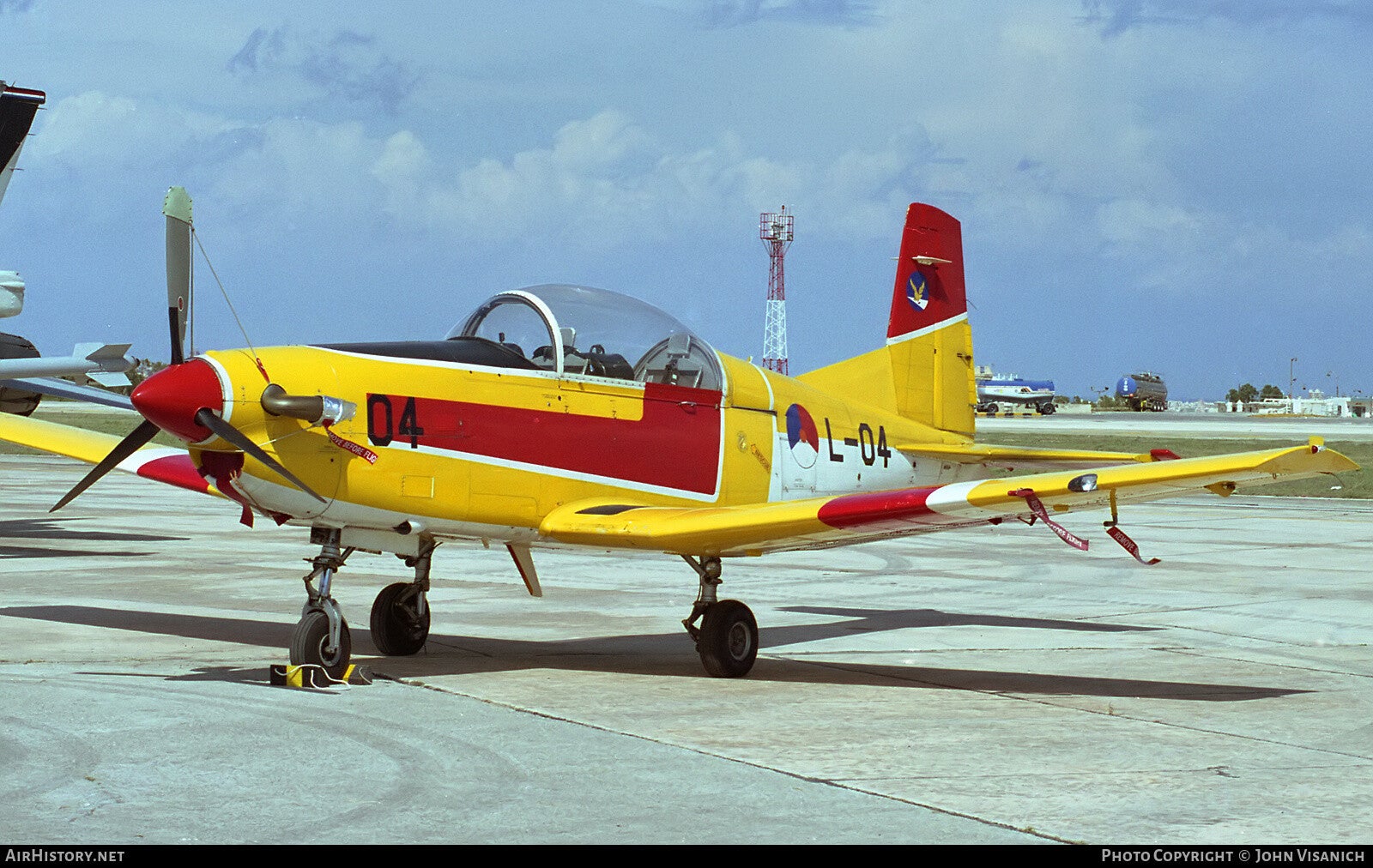
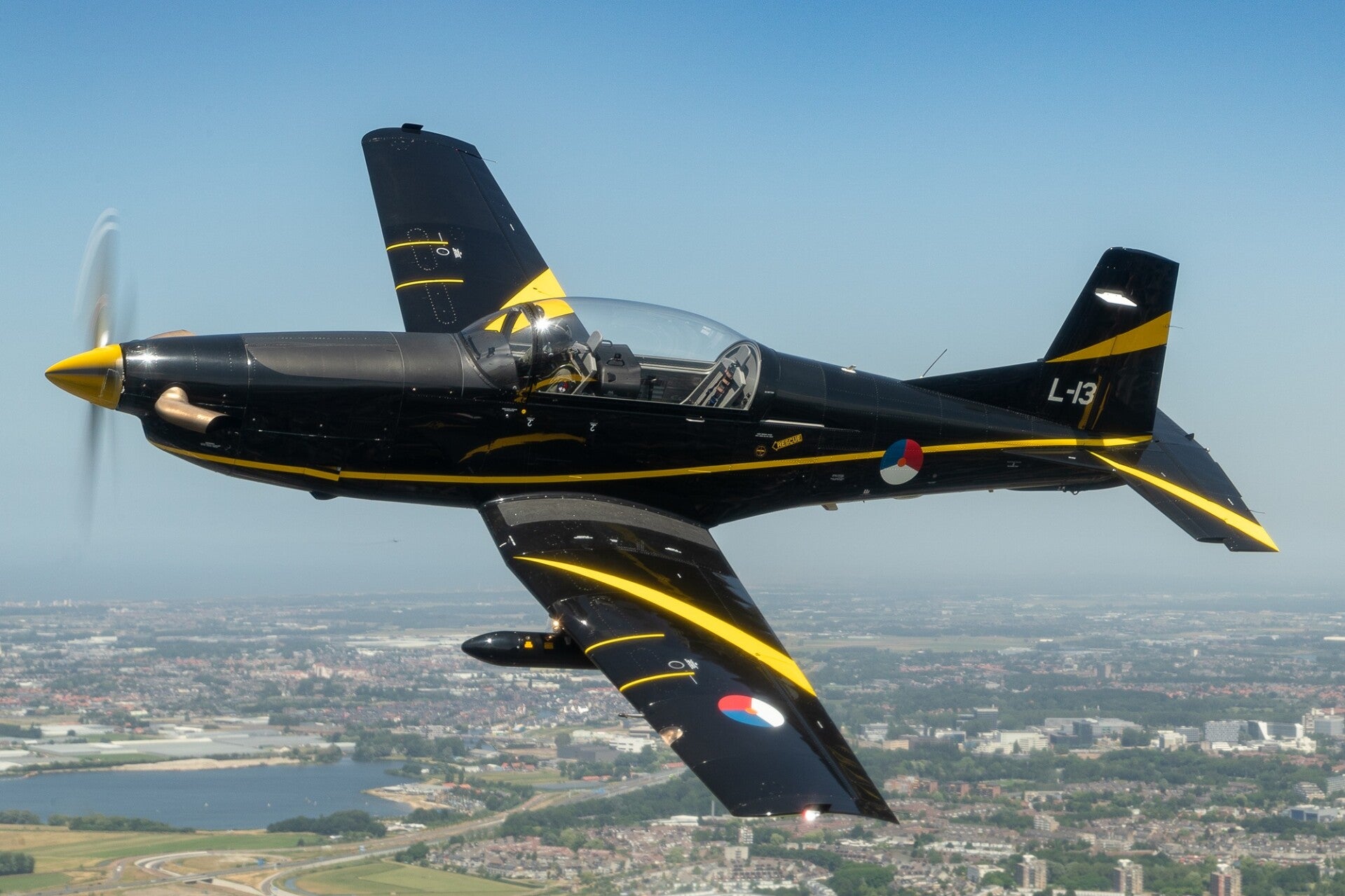
From 1988 up until the early 21st century the 131sq EMVO PC7's flew around with the yellow/ orange livery until switching to the black livery.
To the right the first PC7 MkX aircraft being assembled at the Pilatus plant in Swiss.
Engine Maintenance, Base Maintenance and Logistical Support
The Dutch Air Force operated 266 Gloster Meteor jet aircraft since 1948. In 1953 Woensdrecht founded the main motorshop (‘Straalmotorenwerkplaats’ (SMW))for the Gloster Meteor jet engines. During the following years many other engine types would be maintained, repaired and overhauled by this motorshop unit, among these the jet engines used by Hunters, T-33’s and F-84’s. Later on F-104, NF-5, F-16 and much later F-35 engines of the Dutch Air Force all were part of the Woensdrecht Engine shop units. Helicopter engines would also become part of the Woensdrecht engine sop facility. Besides engines Woensdrecht airbase also became the main hub for base maintenance of several main helicopter and fighterjet aircraft types – among these the F-16 and later on the F-35. The main organization for this support was the Logistic Centre Woensdrecht (LCW) unit, later this would become the Air Support Command (ASC) – which also, like LCW, acts as the logistical and equipment depot hub for the Royal Netherlands Air Force.
*all images by "Collectie Nederlands Instituut voor Militaire Historie" unless stated otherwise.